Planetary Boundaries Dashboard
Explore the nine critical processes that keep our planet stable. Click on a boundary below to see its status, primary drivers, and immediate consequences. Note: As of recent assessments, six of these nine boundaries have been exceeded.
Current Status Summary
- Total Boundaries 9
- Crossed (High Risk) 2
- Crossed 4
- Within Safe Zone 3
Legend
You might picture a giant asteroid hitting us, or maybe a super-volcano erupting. Those are scary, sure. But they’re rare. The real thing keeping scientists up at night isn’t coming from space. It’s already here, and it’s moving fast. If you ask researchers at the Stockholm Resilience Centre what poses the most immediate danger to life as we know it, they won’t point to nuclear war first. They’ll point to planetary boundaries being breached. Specifically, the intersection of climate instability and the collapse of biological diversity. These two aren't separate problems; they're tangled together in a feedback loop that is accelerating faster than our political systems can react.
Let’s be clear about what "immediate" means here. We aren’t talking about something happening in 100 years. We are talking about changes visible in your lifetime, often within the next decade. The threat isn’t just that it gets hotter. It’s that the systems supporting human civilization-stable weather, predictable seasons, abundant pollinators-are unraveling right now. When these systems break, they don’t break gently. They tip.
The Twin Engines of Ecological Collapse
Most people think of climate change and biodiversity loss as different headlines. One is about carbon, the other about animals dying out. In reality, they are two sides of the same coin. Climate change destroys habitats by changing temperature and rainfall patterns. This forces species to move, adapt, or die. Meanwhile, losing biodiversity makes the planet less able to absorb carbon. Forests and oceans act as sponges for CO2. When we cut down forests or kill off plankton, those sponges stop working. The result? More carbon stays in the air, which heats the planet more, which kills more species. It’s a vicious cycle.
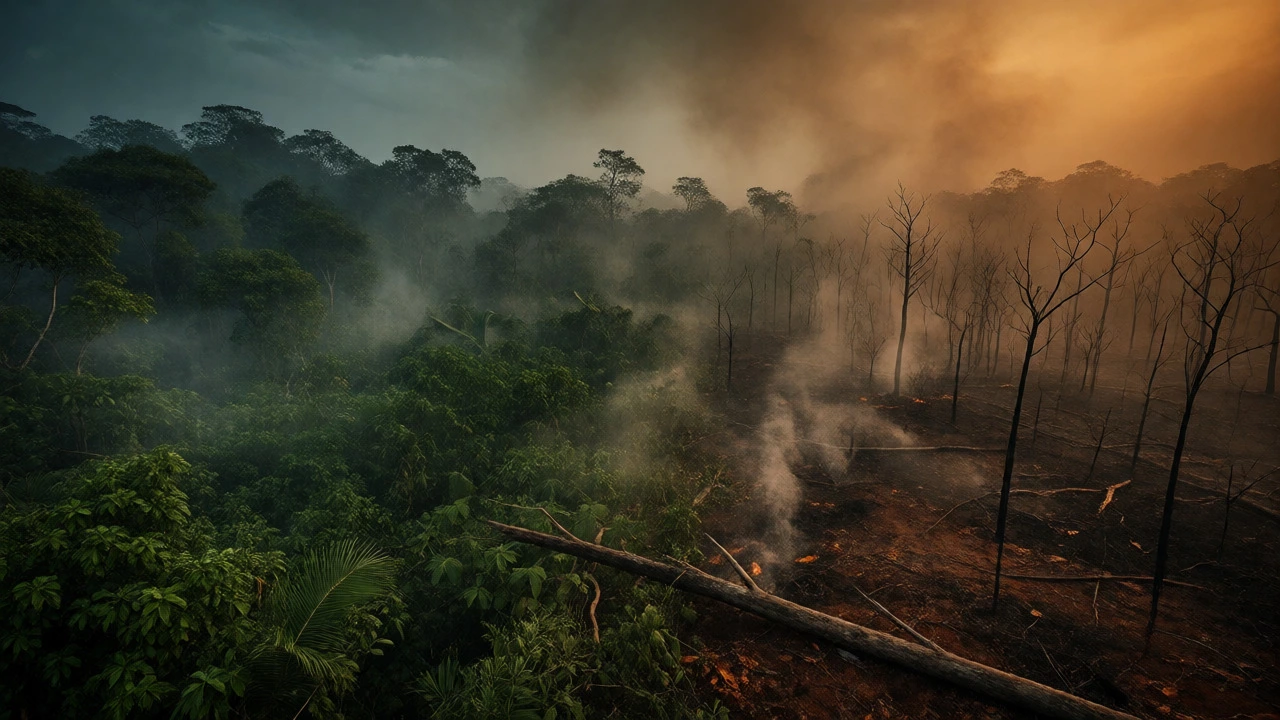
Consider the Amazon rainforest. It’s often called the lungs of the Earth. Recent data suggests parts of the southern Amazon have actually become a net source of carbon dioxide rather than a sink. Why? Because droughts, driven by rising temperatures, are killing trees faster than new ones can grow. When the forest dies, it releases stored carbon. That release drives more warming. This is what scientists call a tipping point. Once crossed, the process becomes self-sustaining and hard to reverse.
Understanding Planetary Boundaries
In 2009, a group of scientists led by Johan Rockström proposed a framework called Planetary Boundaries. Think of it as a dashboard for the Earth’s health. There are nine critical processes that keep our planet stable for humans. If we push any of them too far, we risk triggering abrupt environmental changes. As of recent assessments, six of these nine boundaries have been crossed. That includes climate change, biosphere integrity (biodiversity), land-system change, freshwater change, biogeochemical flows (nitrogen and phosphorus pollution), and novel entities (like plastics and chemicals).
The most alarming part? Two of these boundaries are considered "high risk." These are climate change and biosphere integrity. When both are red, the safety zone for humanity shrinks dramatically. You don’t need to be a physicist to see the problem. If the thermostat breaks while the fire alarm is also going off, the house is in serious trouble.
| Boundary | Status | Primary Driver | Immediate Consequence |
|---|---|---|---|
| Climate Change | Crossed (High Risk) | Fossil fuel combustion | Extreme weather events, sea-level rise |
| Biosphere Integrity | Crossed (High Risk) | Habitat destruction, overexploitation | Ecosystem service failure, food insecurity |
| Biogeochemical Flows | Crossed | Agricultural fertilizer runoff | Ocean dead zones, water toxicity |
| Novel Entities | Crossed | Industrial chemical production | Health impacts, unknown long-term effects |
Why Biodiversity Loss Is Often Overlooked
We hear a lot about degrees Celsius. People understand heat. But how do you explain the value of a beetle or a fungus to someone worried about their mortgage? Biodiversity is the variety of life on Earth. It includes genes, species, and ecosystems. It’s not just about saving cute pandas. It’s about maintaining the machinery that produces our food, cleans our water, and regulates our climate.
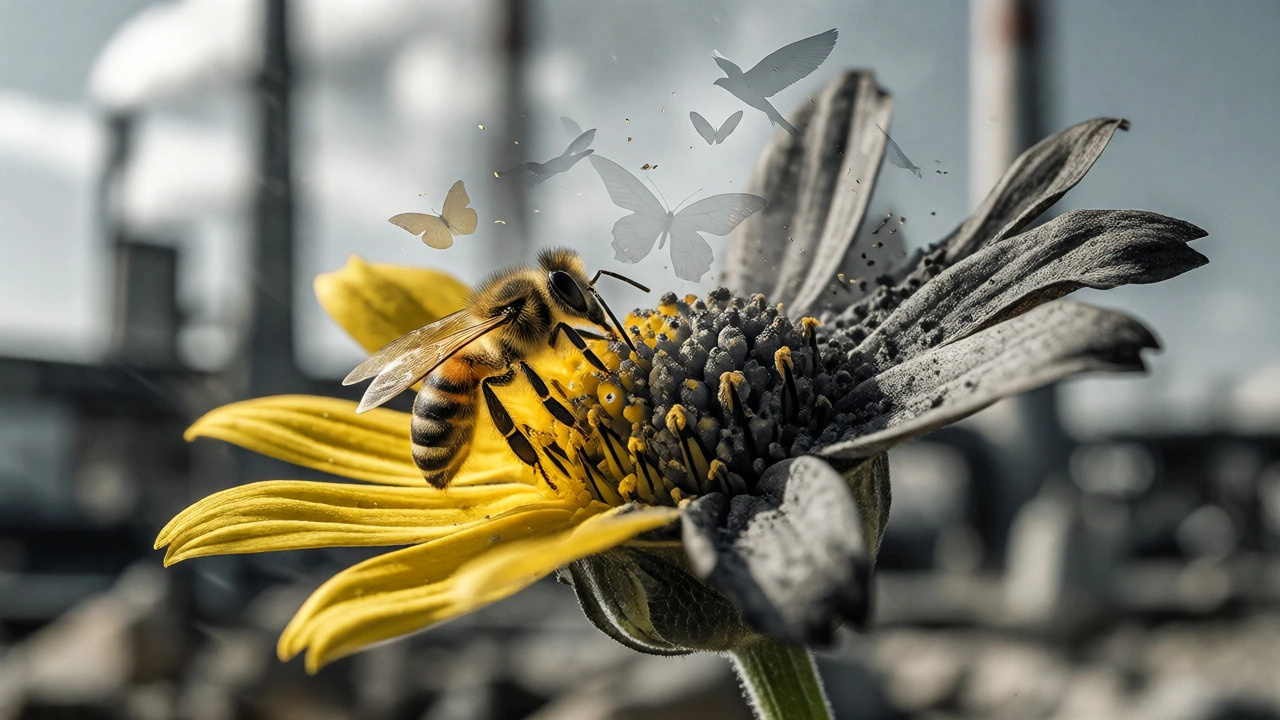
Think about your dinner plate. Roughly 75% of global food crops rely on animal pollination. Bees, butterflies, bats, and birds are doing this work for free. If these populations crash-and they are crashing-food prices will spike. Not because farmers stop planting, but because yields drop. A study published in *Nature* highlighted that wild bee abundance has declined significantly in many regions due to pesticide use and habitat loss. This isn’t a future problem. It’s affecting almond harvests in California and apple orchards in New Zealand today.
Moreover, diverse ecosystems are resilient. A monoculture farm (one crop) is vulnerable to pests. A diverse forest can withstand disease. When we simplify nature, we make it fragile. And fragility leads to collapse.
The Human Health Connection
Some argue that if humans can survive in cities with air conditioning, why care about remote rainforests? Because diseases jump. This is known as zoonotic spillover. When we encroach on wild habitats, we force wildlife into closer contact with livestock and people. This increases the chance of viruses jumping species barriers. HIV, Ebola, and SARS-CoV-2 all likely originated this way.
The World Health Organization estimates that around 60% of existing human infectious diseases are zoonotic. By destroying biodiversity, we aren’t just losing pretty flowers. We are increasing the risk of pandemics. Additionally, poor air quality linked to fossil fuels causes millions of premature deaths annually. The threat to life on Earth is directly tied to the threat to human health. You cannot separate the two.
Is Nuclear War Still the Biggest Threat?
For decades, the Doomsday Clock set by the Bulletin of the Atomic Scientists focused heavily on nuclear weapons. Recently, they added climate change and disruptive technologies to the clock’s criteria. Why? Because while nuclear war is catastrophic, it’s a single event. Environmental degradation is chronic and cumulative. Even if we avoid nuclear war, unchecked climate change could render large parts of the equator uninhabitable due to wet-bulb temperatures exceeding human tolerance limits.
Nuclear winter would cool the planet, yes. But current warming trends are pushing us toward a hothouse Earth scenario. The difference is agency. With nuclear weapons, we hope deterrence works. With the environment, we are actively driving the car off the cliff. Every ton of CO2 emitted adds to the burden. The immediacy comes from the fact that every day we delay action, we lock in more damage. Carbon stays in the atmosphere for centuries.
What Can Individuals Actually Do?
It’s easy to feel paralyzed. The scale feels too big. But remember, systemic change starts with cultural shifts. Your choices signal demand to markets and governments. Here are three high-impact actions:
- Dietary Shifts: Reducing meat consumption, particularly beef and lamb, lowers pressure on land use and methane emissions. You don’t have to go vegan overnight. Try "Meatless Mondays" or swapping one meal a day.
- Voting and Advocacy: Support policies that protect natural areas and price carbon. Politicians respond to voters who prioritize climate resilience. Join local groups advocating for reforestation or clean energy.
- Reduce Waste: Simple habits like composting organic waste reduce methane from landfills. Buying second-hand reduces resource extraction. Small acts add up when millions do them.
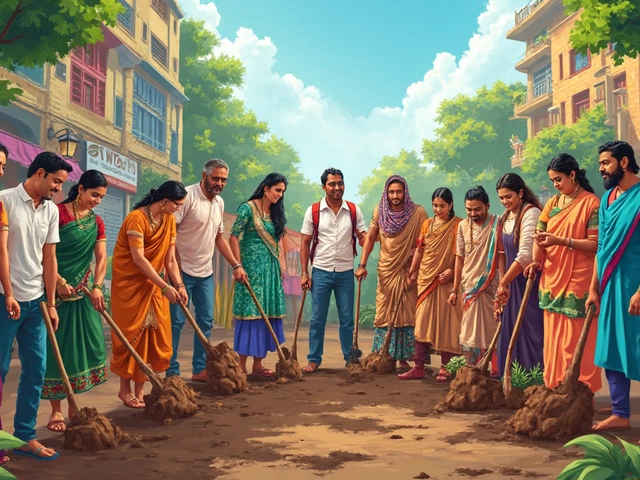
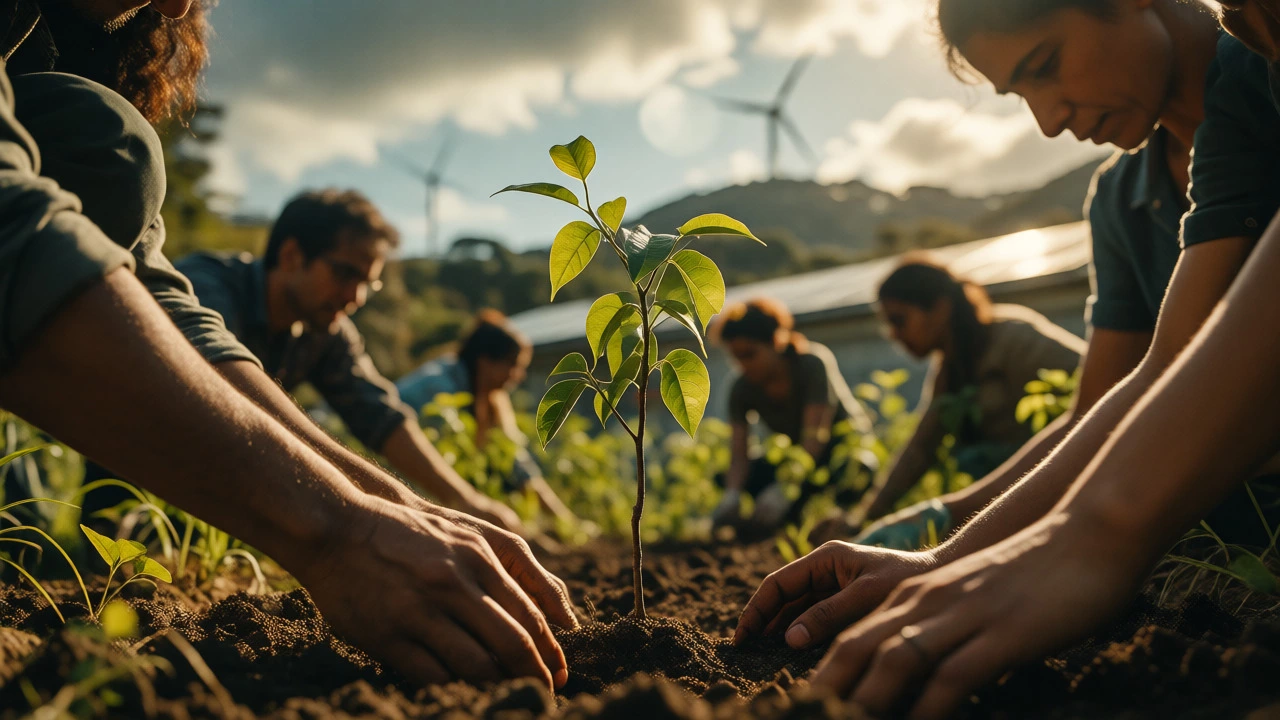
Don’t underestimate the power of community. In Wellington, where I live, seeing neighbors plant native trees creates a ripple effect. Social norms shift. Suddenly, caring for the environment isn’t niche; it’s normal.
Looking Ahead: Hope in Action
Despite the grim stats, there is momentum. Renewable energy costs have plummeted. Solar is now cheaper than coal in most countries. Younger generations are demanding accountability. Indigenous communities are leading conservation efforts with proven success rates. The knowledge exists to solve these problems. What’s missing is the speed of implementation.
The most immediate threat isn’t an external enemy. It’s our own inertia. We know what to do. The question is whether we’ll do it before the tipping points become irreversible. The window is closing, but it hasn’t slammed shut yet.
Is climate change really worse than nuclear war?
Many experts now consider climate change a more certain and pervasive threat than nuclear war. While nuclear war is catastrophic, it is a potential event. Climate change is currently unfolding, affecting billions of people through extreme weather, food insecurity, and health risks. Furthermore, climate change exacerbates resource scarcity, which can itself lead to conflicts and increase nuclear risks.
How does biodiversity loss affect me personally?
Biodiversity loss affects you through higher food prices, increased risk of pandemics, and reduced ecosystem services like clean water and air. For example, fewer pollinators mean lower crop yields, leading to costlier fruits and vegetables. Loss of natural filters like wetlands can increase water treatment costs. It also impacts mental health, as access to diverse natural environments is linked to better psychological well-being.
What are planetary boundaries?
Planetary boundaries are nine environmental limits identified by scientists that define a safe operating space for humanity. These include climate change, biodiversity loss, ocean acidification, and nitrogen cycles. Crossing these boundaries increases the risk of sudden, irreversible environmental changes. Currently, six of the nine boundaries have been exceeded, signaling significant stress on Earth's systems.
Can technology solve the environmental crisis?
Technology is crucial but not sufficient alone. Innovations like renewable energy, electric vehicles, and carbon capture help mitigate damage. However, technological fixes must be paired with systemic changes in consumption, policy, and social values. Relying solely on future tech risks delaying necessary immediate actions to protect biodiversity and stabilize the climate.
Why is biodiversity loss called the silent killer?
Unlike climate change, which has visible symptoms like hurricanes and heatwaves, biodiversity loss is gradual and often invisible. Species disappear quietly, and ecosystem functions degrade slowly until a threshold is crossed. This lack of immediate visual feedback makes it harder for public awareness and political action to match the severity of the crisis, hence the term "silent killer."