Community Outreach Impact Estimator
Strategy Parameters
Projected Outcomes
Enter your strategy details to see projected results.
Most people think starting community outreach means sending cold emails until your fingers cramp. It doesn’t. Real connection happens when you stop broadcasting and start listening. If you’ve ever felt overwhelmed by the idea of reaching out to your neighborhood, a local school, or a potential partner, you aren’t alone. The gap between wanting to help and actually making an impact is often just a matter of structure. You don’t need a massive budget or a team of PR experts. You need a plan that respects people’s time and highlights mutual value.
This guide breaks down exactly how to build an outreach program from scratch. We’ll move past the vague advice of “be nice” and look at concrete steps: identifying who actually matters, crafting messages that get opened, and measuring whether your efforts are creating real change. Whether you represent a small non-profit, a local business, or a grassroots group, these principles apply.
Key Takeaways
- Define your goal first: Outreach without a specific objective leads to scattered efforts and burnout.
- Map your ecosystem: Identify stakeholders, not just targets. Who benefits? Who has influence?
- Personalize at scale: Generic templates fail. Use data to tailor your message to each recipient’s context.
- Offer value upfront: Ask for nothing in the first interaction. Give resources, insights, or support instead.
- Measure relationships, not just opens: Track conversations started, meetings held, and partnerships formed.
1. Define Your Core Objective and Audience
Before you write a single email or knock on a door, you need clarity. What does success look like? Is it raising funds? Recruiting volunteers? Changing public perception? Or simply increasing awareness of a specific issue? Vague goals produce vague results. Instead of saying “we want to help the community,” try “we aim to recruit 50 new volunteers for our weekend food drive by September.” Specificity drives action.
Once you have a goal, identify your audience. In community outreach, the process of engaging with local groups to build relationships and achieve shared goals, your audience isn’t one monolith. It’s a network. Break it down into segments:
- Direct Beneficiaries: The people or groups who will directly receive your service or support.
- Influencers: Local leaders, teachers, religious figures, or business owners who can amplify your message.
- Partners: Other organizations with similar missions but non-competing services.
- Skeptics: Those who may be wary of outside interference. They require a different, more transparent approach.
For example, if you’re launching a youth mentorship program, your direct beneficiaries are the teenagers. But your influencers might be high school counselors, and your partners could be local sports clubs. Each segment needs a tailored message. A counselor cares about student outcomes; a sports coach cares about character development. Speak their language.
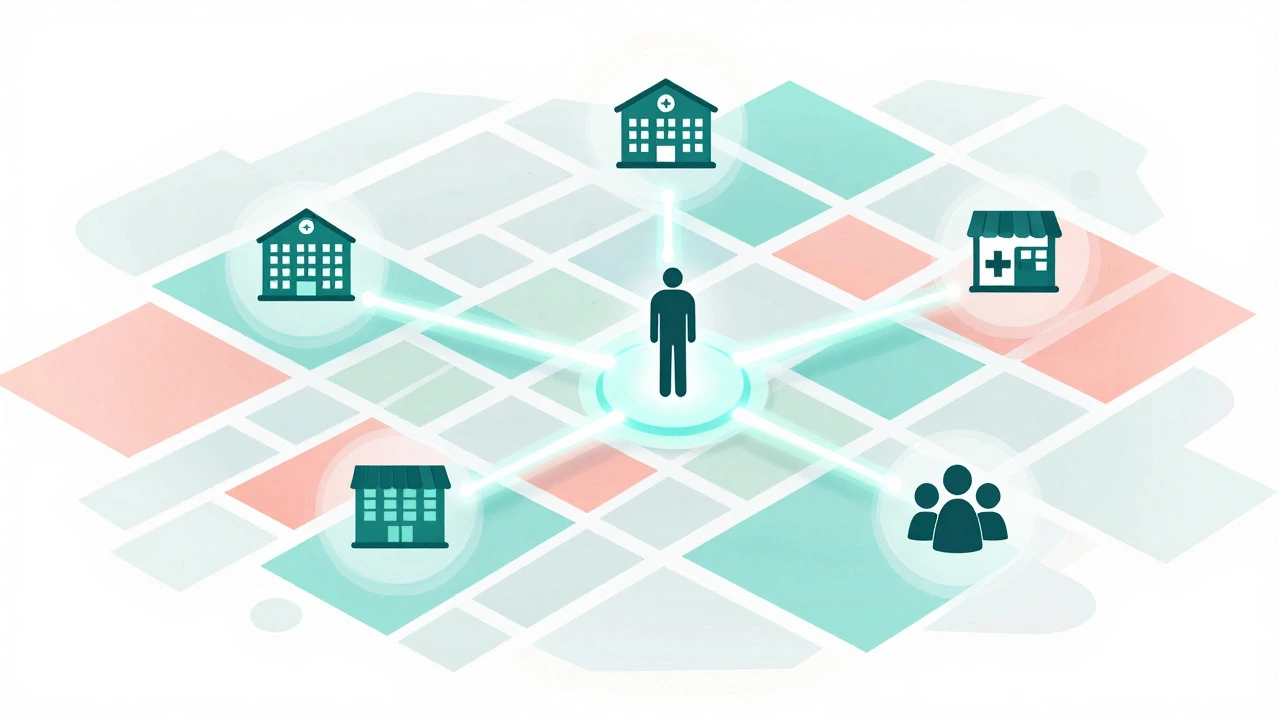
2. Research and Map Your Local Ecosystem
You can’t connect with people you don’t understand. This step is about intelligence gathering. Spend time observing the community before trying to change it. Attend town hall meetings, visit local cafes, and read community newspapers. In Wellington, for instance, understanding the distinct vibes of Te Aro versus Miramar helps tailor your approach. One area might value artistic expression, while another prioritizes environmental sustainability.
Create a stakeholder map. List key individuals and organizations. Note their current initiatives, pain points, and values. Tools like LinkedIn, local council websites, and social media groups are invaluable here. Look for gaps. Are there areas where no one is helping? Are there conflicts between existing groups? Positioning yourself as a bridge-builder rather than a competitor makes you instantly more welcome.
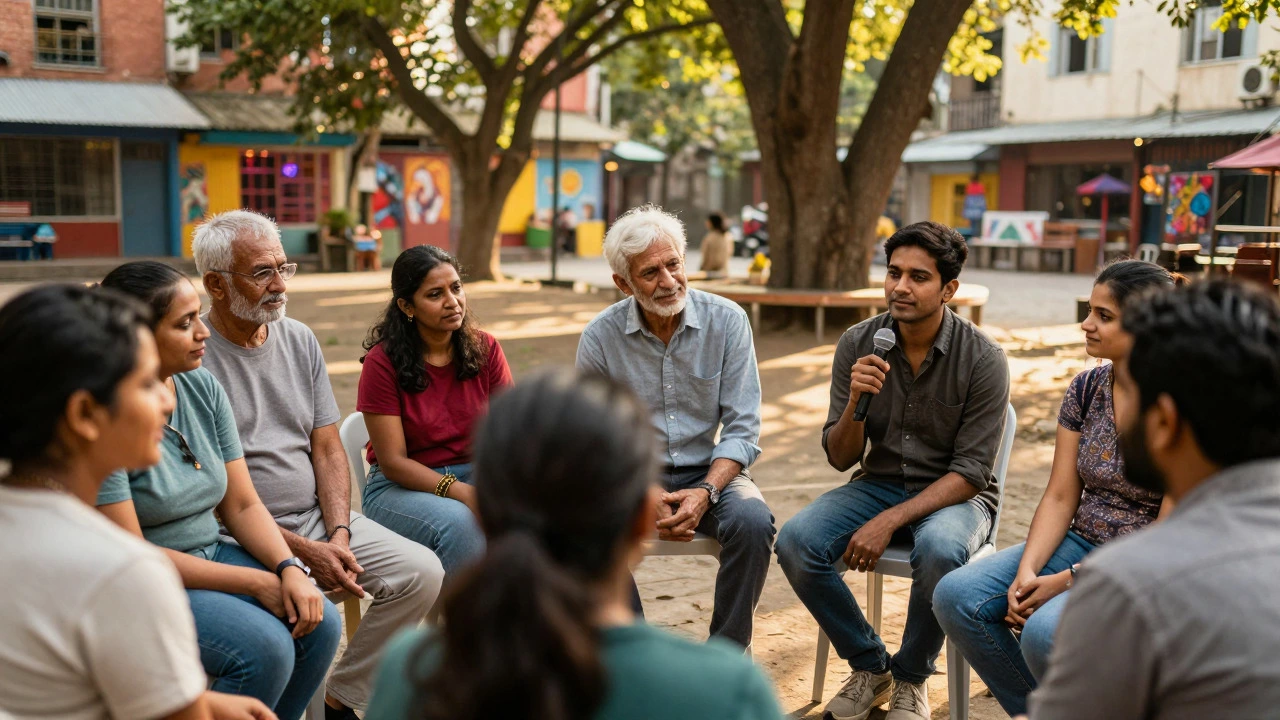
Also, check for existing networks. Many communities already have informal structures-a WhatsApp group for parents, a Facebook page for neighbors. Join these spaces quietly first. Lurk, learn, and contribute value before introducing your own agenda. Jumping in too early with a sales pitch is the fastest way to be ignored.
3. Craft a Value-Driven Message
The biggest mistake in outreach is talking about yourself. “We are a great organization doing amazing things.” So what? People care about themselves and their immediate circles. Your message must answer: “What’s in it for them?” or “How does this solve my problem?”
Structure your outreach message using the PAS framework:
- Problem: Acknowledge a challenge they face. “Many local teens struggle to find safe after-school activities.”
- Agitation: Highlight the consequence of inaction. “This leads to increased idle time and missed opportunities for skill-building.”
- Solution: Present your offer as a natural fit. “Our free mentorship program connects teens with local professionals, providing guidance and safe engagement.”
Keep it short. Respect their time. Subject lines should be clear and intriguing, not clickbaity. “Question about [Their Organization]’s recent event” works better than “URGENT: Partnership Opportunity!” Personalization is key. Mention something specific about them-their recent work, a shared connection, or a local event they attended. Show you’ve done your homework.
4. Choose the Right Channels
Where do you reach them? Different channels serve different purposes. Don’t spread yourself too thin. Pick two or three primary methods and master them.
| Channel | Best For | Pros | Cons |
|---|---|---|---|
| Professional contacts, formal partnerships | Trackable, scalable, professional | High competition in inbox, low open rates if generic | |
| Social Media (LinkedIn/Facebook) | Building visibility, casual networking | Visual, interactive, easy to share | Noisy, algorithm-dependent, hard to measure deep engagement |
| In-Person Events | Trust-building, community integration | High trust, immediate feedback, memorable | Time-consuming, costly, limited reach per event |
| Local Media/Press | Broad awareness, credibility | Third-party validation, wide reach | Hard to control narrative, slow process |
If you’re targeting busy professionals, email and LinkedIn are best. For grassroots community members, face-to-face interactions at local markets or community centers work wonders. In New Zealand, the concept of “whanaungatanga” (building relationships) emphasizes personal connection. A handwritten note or a coffee chat can outweigh ten automated emails.
5. Build Relationships, Not Just Contacts
Outreach isn’t a transaction; it’s the start of a relationship. After your initial contact, follow up. But don’t just ask “Did you get my email?” Add value. Share a relevant article, introduce them to someone useful, or offer a small piece of assistance. Become a resource, not a burden.
Listen actively. When people talk, hear what they’re saying-and what they’re not. Are they stressed about funding? Overwhelmed by administrative tasks? Tailor your future interactions to address these unspoken needs. Trust is built through consistency and reliability. Do what you say you’ll do, on time.
Collaborate rather than compete. If another organization is doing similar work, invite them to co-host an event. Shared success builds stronger networks than solo victories. Celebrate others’ wins publicly. This generosity creates a culture of reciprocity.

6. Measure and Adapt
How do you know if your outreach is working? Move beyond vanity metrics like “likes” or “email opens.” Focus on meaningful indicators:
- Response Rate: How many people replied positively?
- Meeting Conversion: How many responses turned into actual conversations?
- Partnership Formation: How many collaborations resulted?
- Volunteer Sign-ups: Did your outreach lead to action?
- Feedback Quality: Are people offering constructive input or suggestions?
Use simple tools to track this. A spreadsheet works fine for small-scale efforts. For larger campaigns, CRM software can help manage contacts and interactions. Review your data monthly. What worked? What didn’t? Adjust your strategy accordingly. Maybe your email subject lines need tweaking. Perhaps in-person events are generating more leads than social media. Be willing to pivot.
Remember, community outreach is a marathon, not a sprint. Building trust takes time. Stay patient, stay consistent, and keep the focus on serving others. The connections you forge today will become the foundation for lasting impact tomorrow.
7. Common Pitfalls to Avoid
Even well-intentioned outreach can backfire. Watch out for these common traps:
- Assuming Homogeneity: Treating the entire community as having the same needs. Diversity matters.
- Overpromising: Committing to resources you don’t have. Under-promise and over-deliver.
- Ignoring Cultural Context: Failing to respect local customs, languages, or histories. Do your cultural due diligence.
- Burnout: Trying to do everything yourself. Delegate and empower others.
- Lack of Follow-Through: Making contact and then disappearing. Consistency builds credibility.
Avoiding these pitfalls requires humility and self-awareness. Regularly seek feedback from your community. Ask, “How are we doing?” and listen to the answers, even if they’re critical. Growth comes from honest reflection.
8. Scaling Your Impact
Once you’ve established a solid foundation, consider scaling. This doesn’t mean doing more of the same. It means leveraging your existing relationships to reach further. Train ambassadors within your community. Create templates and guides that others can use. Partner with larger organizations to amplify your reach.
Technology can help here. Use email automation for nurturing sequences, but keep personal touches for key relationships. Social media ads can target specific demographics, but organic content builds deeper loyalty. Balance efficiency with authenticity.
Finally, document your journey. Share your successes and failures openly. Transparency inspires others and invites collaboration. Your story might be the catalyst that encourages someone else to start their own outreach effort.
How long does it take to see results from community outreach?
Results vary widely depending on your goals and community size. Initial responses might come within weeks, but meaningful partnerships and trust often take 3-6 months to develop. Patience and consistency are crucial. Don’t expect overnight transformation; focus on steady progress.
What is the most effective channel for B2B community outreach?
For B2B contexts, personalized email and LinkedIn are typically the most effective. Decision-makers appreciate concise, value-driven messages that respect their time. Cold calling can work but requires significant skill and persistence. Always research the prospect beforehand to tailor your approach.
How do I handle rejection in outreach?
Rejection is normal and part of the process. Don’t take it personally. Analyze why it happened-was the timing wrong? Was the value proposition unclear? Learn from each “no” and refine your approach. Sometimes, a polite follow-up months later can turn a rejection into a yes.
Can small organizations compete with large ones in outreach?
Absolutely. Small organizations often have advantages: agility, personal touch, and deep local knowledge. Large entities can be bureaucratic and impersonal. Leverage your size by being responsive, authentic, and deeply connected to your immediate community. Authenticity resonates more than budget.
What tools are best for managing outreach contacts?
For beginners, a simple spreadsheet suffices. As you grow, consider CRM tools like HubSpot (free tier), Mailchimp, or Salesforce Nonprofit Cloud. These platforms help track interactions, automate follow-ups, and segment your audience. Choose based on your budget and technical comfort level.
How important is cultural sensitivity in outreach?
It’s critical. Ignoring cultural nuances can damage trust and alienate your audience. Educate yourself on local customs, holidays, and communication styles. Engage cultural brokers or community leaders early in your planning. Respectful engagement fosters inclusion and long-term partnership.
Should I use paid advertising for community outreach?
Paid ads can boost visibility but shouldn’t replace genuine relationship-building. Use them strategically to promote events or highlight success stories. Organic engagement remains the backbone of trust. Combine paid reach with personal follow-ups for maximum impact.