Volunteer Opportunity Finder
Find your perfect volunteer match
Answer these questions to find volunteer opportunities that fit your schedule, skills, and values. No experience needed!
Matching Results
Enter your preferences above to see matching opportunities.
Choosing a volunteer opportunity isn’t about picking the first one you see online. It’s about finding something that fits your life, your energy, and your values. Too many people sign up, show up once, and quit because they picked the wrong fit. You don’t need to save the world. You just need to find the right corner of it to care for.
Start with what you can actually give
Time is the most common thing people underestimate. You might think, "I can volunteer two hours a week," but then life gets busy. Realistically, can you commit to four hours a month? That’s still meaningful. Don’t promise more than you can keep. A reliable volunteer who shows up once a month is more valuable than someone who vanishes after two weeks.Think about your schedule. Do you have early mornings free? Maybe helping at a food bank that opens at 6 a.m. works. Are you a night person? Animal shelters often need help with evening walks. Office workers who sit all day might thrive in outdoor roles like park cleanups. Your natural rhythm matters more than you think.
Match your skills, not just your heart
Volunteering isn’t just about being nice. It’s about using what you already know. If you’re good with spreadsheets, help a small nonprofit manage donations. If you’ve run a small business, offer to review their marketing plan. If you speak another language, you can help newcomers navigate local services. Skills don’t have to be fancy. Knowing how to fix a printer or organize a closet can be a huge help to understaffed groups.Don’t feel like you need to learn something new just to volunteer. Your existing abilities are valuable. A retired teacher doesn’t need to tutor kids to help-she can read stories to seniors at a care home. A graphic designer doesn’t have to build websites-she can design flyers for a local animal rescue. Use what you’ve got.
Know what kind of environment you thrive in
Some people love being in the middle of a group. Others need quiet, focused work. If you get drained by chatter, avoid large events like festivals or charity runs. Look for roles like packing hygiene kits, sorting clothing donations, or data entry. If you’re energized by people, consider visiting seniors, helping at a youth center, or guiding tourists at a community museum.Also, think about physical space. Can you stand for hours? Walk on uneven ground? Handle stairs? Not every volunteer job is done at a desk. A beach cleanup might sound fun, but if you have knee issues, it could be painful. Ask ahead. Most organizations are happy to explain the physical demands.
Try local, not just famous
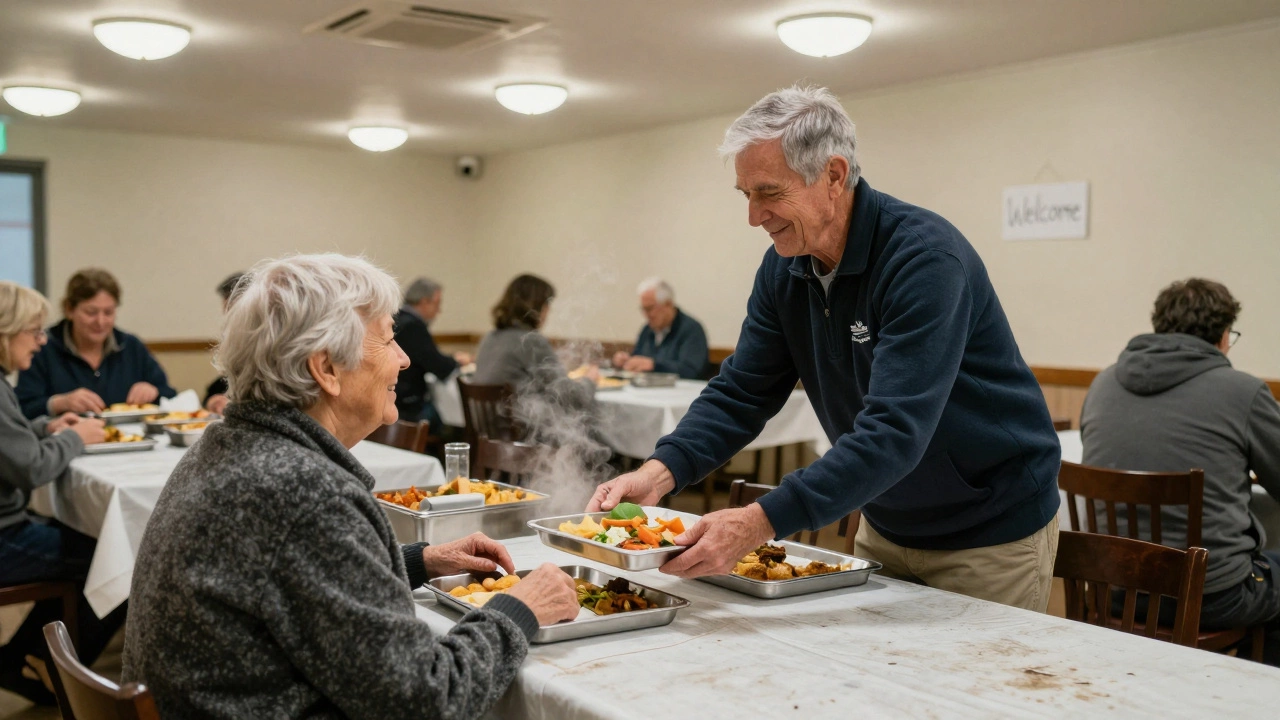
Big names like the Red Cross or Habitat for Humanity get all the attention. But smaller, local groups often need help more. A neighborhood garden, a literacy program at a community center, or a church-run meal service might be exactly what you’re looking for. These places rarely have websites with 10 pages of info. You’ll often need to call or walk in.In Wellington, for example, there are over 400 small volunteer groups that don’t show up on Google. The Wellington City Council’s volunteer portal lists them, but you’ll find more by asking at libraries, community boards, or even your local café. Many have bulletin boards with flyers. Talk to the barista. Ask the librarian. People know where the real needs are.
Test before you commit
Never sign up for a long-term role without trying it first. Most organizations offer one-time or trial shifts. Use them. Go in, see the space, meet the team, ask questions. Does the leader seem organized? Are volunteers treated with respect? Is the work meaningful, or just busywork?One woman in Lower Hutt signed up to help at a youth drop-in center. She thought she’d be teaching art. Instead, she spent her first shift washing dirty socks. She left frustrated. The next week, she tried a different group-helping set up books for a reading program. She stayed for two years. One shift changed everything.
Watch for red flags
Not every volunteer opportunity is well-run. Here’s what to watch for:- They don’t tell you what you’ll actually be doing.
- They ask for money upfront (yes, this happens).
- Volunteers are treated like staff without breaks or support.
- No one checks in on you after your first visit.
- The group has no clear mission or leadership.
If any of these show up, walk away. You’re giving your time-not your dignity. A good organization will treat you like a partner, not a free worker.
Let your values guide you
What makes you angry? What makes you hopeful? Use that. If you’re upset about food waste, help with a food rescue group. If you see too many stray cats, work with a trap-neuter-return program. If you care about literacy, tutor adults learning English. Volunteering sticks when it connects to something personal.You don’t need to fix everything. You just need to care about one thing enough to show up. That’s how change happens-not with grand gestures, but with steady, quiet presence.
What to do next
Start small. Pick one thing. Call one organization. Try one shift. You don’t need a plan. You just need to begin.Here’s a quick checklist to help:
- Write down your available time (hours per week/month).
- List 3 skills you’re good at.
- Think of one issue that matters to you.
- Find one local group near you (check your library or community center).
- Ask if they have a trial shift.
Volunteering isn’t about being perfect. It’s about being present. And the right opportunity? It’ll feel like coming home.
Can I volunteer if I have no experience?
Absolutely. Most organizations train volunteers on the spot. You don’t need a resume. You just need to show up, be willing to learn, and follow instructions. Many people start with no experience and end up leading teams.
How do I find volunteer opportunities near me in Wellington?
Start with the Wellington City Council’s volunteer portal. Also check local libraries, community boards, and neighborhood Facebook groups. Many small groups post flyers in cafes or supermarkets. Don’t be afraid to walk in and ask. The best opportunities aren’t always online.
What if I don’t like the first volunteer job I try?
It’s normal. Not every role is right for everyone. The key is to try one shift, then move on. Don’t feel guilty. Volunteering is about fit, not obligation. The right role will feel easier than the wrong one.
Can I volunteer with a friend or family member?
Yes, and it’s a great idea. Having someone you know with you can ease nerves and make the experience more enjoyable. But make sure you’re both okay with the role. Sometimes one person wants to talk to people, and the other prefers quiet tasks. Talk it through before you sign up.
Do I need to be a New Zealand citizen to volunteer?
No. Most organizations welcome volunteers regardless of citizenship or visa status. As long as you can legally be in the country, you can volunteer. Some roles may require background checks, but those are standard for safety-not citizenship.