Outreach Strategy Simulator: Breaking Barriers
Scenario: Increasing Clinic Attendance
You are the Outreach Coordinator. A local clinic is offering free health screenings, but numbers are low. Identify the 'Invisible Barriers' and apply the correct outreach solution.
Step 1: Identify the Barrier
Step 2: Apply Outreach Solution
Select a barrier on the left to find the professional outreach solution.
The "Go To Them" Approach
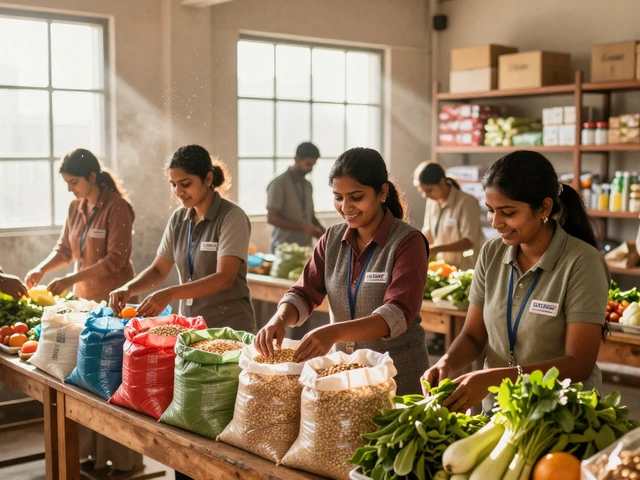
Instead of asking clients to travel, organize a pop-up clinic at a local grocery store or arrange a dedicated shuttle service from the main bus hub.
Leveraging Community Influencers
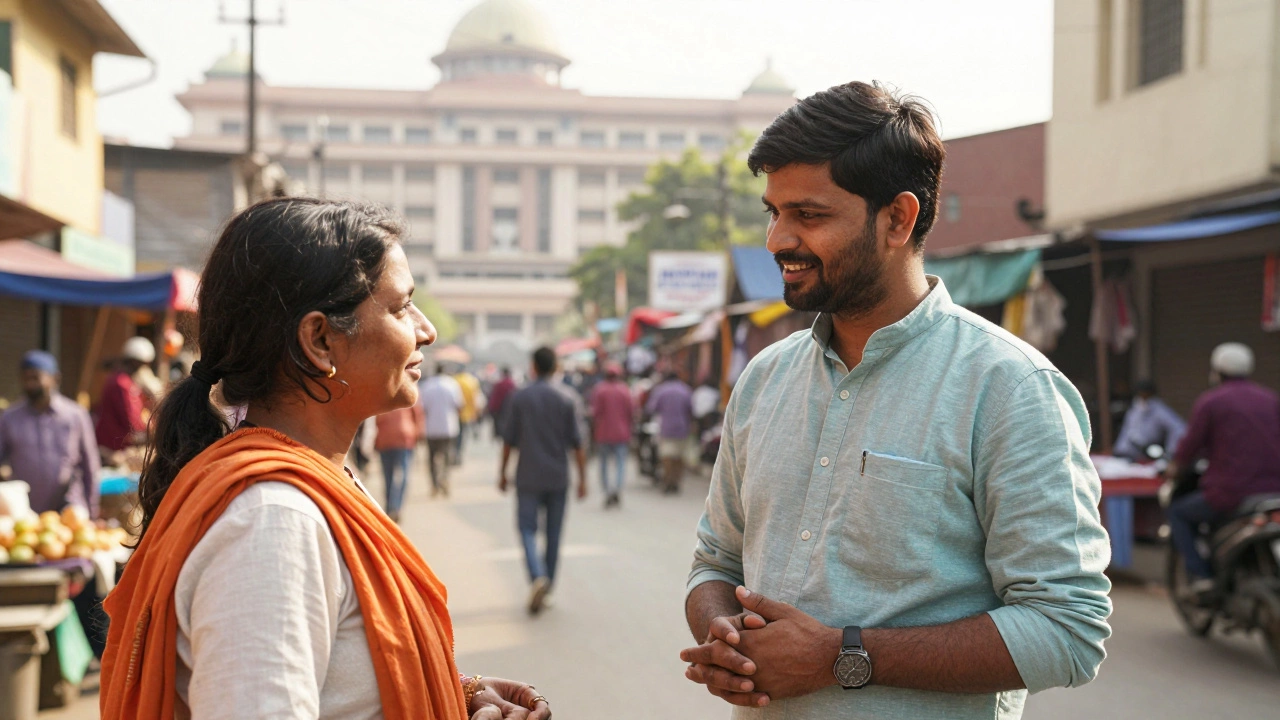
Partner with a trusted local leader (e.g., a barber, religious leader, or PTA head). Let them introduce the service to the community first.
Cultural Competency Mapping
Translate materials and hire multilingual community liaisons who can explain the services in the residents' native language.
Patient Navigation
Analyze the community's daily flow. Shift clinic hours to evenings or weekends and provide a navigator to help people book appointments.
The Core Mission of Outreach
At its simplest, community outreach is the process of providing services to populations who may be isolated or underserved. A person in this role doesn't sit behind a desk waiting for the phone to ring. Instead, they go to where the people are. Whether that's a local library, a church basement, or a street corner, their goal is to build trust and create a pathway to support.
Think about a health clinic offering free vaccinations. They can put up a billboard, but that won't reach a family that doesn't have a car or someone who is terrified of needles. An outreach worker goes to the neighborhood, talks to the local leaders, and sets up a pop-up clinic at the grocery store. They turn a cold service into a warm, accessible resource.
Daily Responsibilities and the "Boots on the Ground" Approach
A typical day for an outreach coordinator is rarely predictable. They spend a huge chunk of their time in the field. You'll find them organizing "street teams" to hand out flyers, but it's more about the conversation than the paper. They listen to the community's complaints and fears, then carry those insights back to the organization's leadership to change how services are delivered.
They also handle a lot of networking. They aren't just meeting individuals; they are building a web of partners. This might involve calling a local school principal to discuss a youth program or meeting with a religious leader to ensure a food bank's distribution is culturally sensitive. They act as a Liaison is a person who acts as a bridge between two groups to facilitate communication, ensuring that the organization isn't just talking at the community, but talking with them.
| Outreach Focus | Traditional PR Focus |
|---|---|
| Direct, face-to-face interaction | Broad media coverage and press releases |
| Building trust with marginalized groups | Managing brand image and reputation |
| Identifying gaps in service delivery | Promoting existing services |
| Long-term relationship maintenance | Short-term campaign spikes |
Developing Community Partnerships
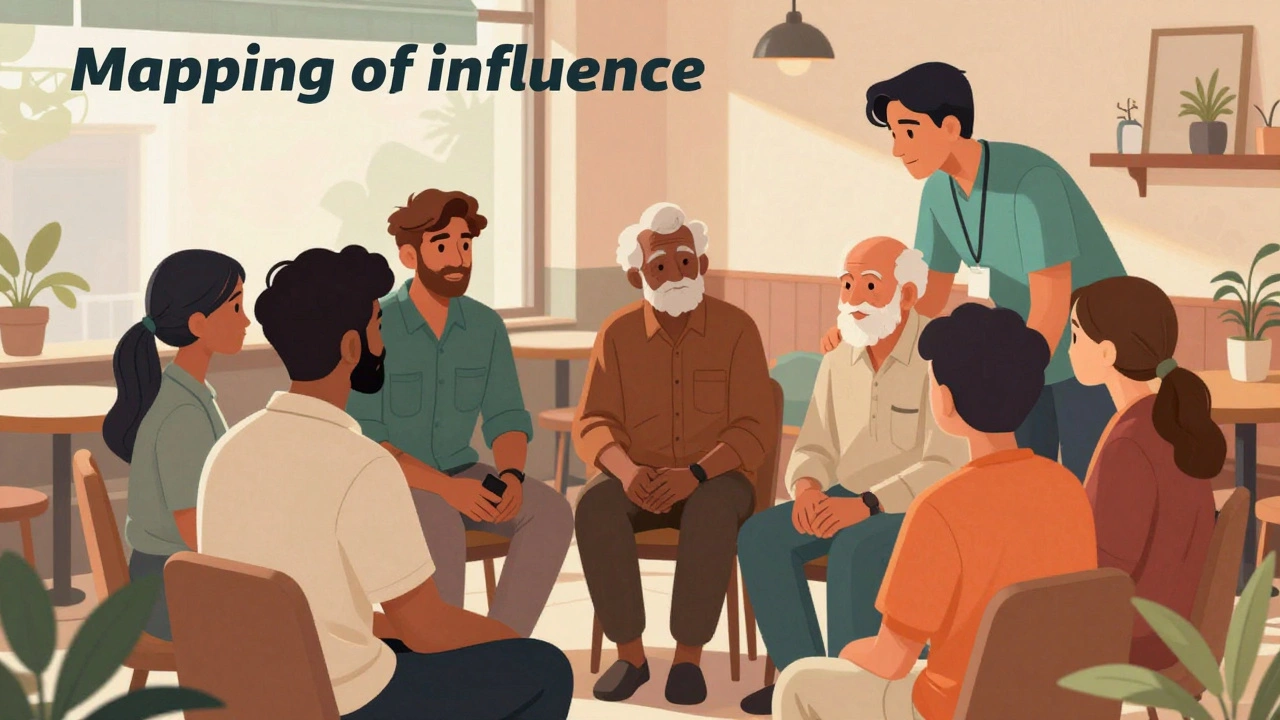
One of the biggest "jobs-to-be-done" for someone in outreach is mapping the community. They don't just look at a map of streets; they look at a map of influence. Who do people actually trust? Is it the local barber? The head of the PTA? A specific neighborhood activist? Once they identify these Community Influencers is individuals who hold social capital and trust within a specific local group, they work to bring those people into the fold.
For example, if a city wants to implement a new recycling program in a neighborhood where people are skeptical of government interference, the outreach worker won't just send a mailer. They'll host a small meeting at a local cafe, invite the most respected person in the block, and let that person lead the conversation. By leveraging existing trust, the outreach worker makes the organization's goal achievable.
Navigating Barriers to Access
People often assume that if a service is free, people will use it. That's a huge misconception. There are a dozen "invisible barriers" that outreach workers have to dismantle. These include language gaps, lack of transportation, fear of legal repercussions, or simple psychological barriers like the shame of needing help.
A skilled outreach person identifies these friction points. If they notice that people aren't coming to a clinic because the bus route is confusing, they don't just tell people to "try harder." They might organize a shuttle or move the clinic's hours to match the bus schedule. They are effectively a Patient Navigator or a specialist who helps people navigate complex social or healthcare systems, guiding them from the first point of contact all the way to the final result.
Measuring Success Beyond the Numbers
In most corporate jobs, success is a number on a spreadsheet. In outreach, the metrics are a bit messier. While they do track things like the number of people signed up for a program or the amount of food distributed, the real victory is often "qualitative." Success is when a person who has avoided the system for ten years finally feels safe enough to walk through the front door.
They often use Qualitative Data is non-numerical information collected through interviews and observations to prove their impact. They collect stories of changed lives and testimonials from community leaders. This data is then used to secure funding from Philanthropic Foundations is grant-making organizations that provide funding to non-profits and community projects, which usually want to see the human impact of their money, not just a tally of flyers handed out.
Common Challenges and Burnout
It's not all heartwarming success stories. People in outreach deal with high levels of emotional labor. They are often the first point of contact for people in crisis, meaning they spend their days hearing about trauma, poverty, and frustration. Because they work in the "gap," they often feel the pressure from both sides: the organization wants more numbers, and the community wants more resources.
Burnout is a real risk here. The most successful outreach workers are those who set hard boundaries and have a strong support system. They have to balance their empathy with a professional distance, or they'll find themselves emotionally exhausted within a year. It requires a specific temperament-someone who is genuinely curious about other people's lives but doesn't take the weight of the world on their own shoulders.
The Difference Between Outreach and Advocacy
People often confuse outreach with Advocacy is the act of pleading or arguing in favor of a cause or policy change. While they overlap, they have different goals. Advocacy is about changing the law or the system to make things better for a group. Outreach is about making sure that, within the current system, the people who need help actually get it.
If an advocate is fighting to make housing a human right in the city council, the outreach worker is the one on the street helping a homeless person fill out the application for a shelter bed. One is changing the future; the other is solving the immediate problem of today. Both are necessary, but the outreach worker's focus is purely on the direct connection between the resource and the human.
Do you need a degree to work in community outreach?
It depends on the organization. Some high-level coordinator roles require a degree in Social Work, Public Health, or Communications. However, many organizations value "lived experience" over a diploma. If you've lived in the community and have a proven track record of trust and leadership, that is often more valuable than a degree because you already have the social capital required to do the job.
How is outreach different from marketing?
Marketing is usually about persuading someone to buy a product or service. Outreach is about removing barriers to access. While marketing uses ads and emails to get attention, outreach uses relationships and trust. A marketer wants you to click a link; an outreach worker wants to make sure you can physically and emotionally get into the clinic.
What skills are most important for an outreach worker?
Active listening is the number one skill. You can't help a community if you don't understand their specific fears and needs. Cultural competency-the ability to interact effectively with people from different backgrounds-is also critical. Finally, a high level of resilience and adaptability is needed, as plans often change the moment you hit the street.
Where do outreach workers usually get employed?
They are commonly employed by non-profits, public health departments, universities, and municipal governments. Some corporations also have outreach roles within their "Corporate Social Responsibility" (CSR) departments to help them engage with the local communities where their factories or offices are located.
Can a volunteer do outreach?
Yes, but it's riskier. Because outreach is based on trust, sending in a random volunteer who doesn't know the neighborhood can sometimes do more harm than good. Effective volunteer outreach usually involves "pairing" a volunteer with a seasoned staff member who can introduce them to the community and provide the necessary context.
Getting Started and Troubleshooting
If you're looking to move into this field, start by volunteering with a local Charity Organization is a non-profit entity set up for philanthropic purposes. Don't just sign up for administrative work; ask to be part of the event teams or the street teams. The best way to learn outreach is to see how a professional handles a difficult conversation on the sidewalk.
If you are an organization struggling with your outreach, ask yourself: "Are we expecting people to come to us, or are we actually going to them?" If your only method of outreach is a social media post, you aren't doing outreach-you're doing digital marketing. To fix this, find your community influencers, listen more than you speak, and be prepared to change your service hours or locations to fit the people you're trying to serve.