Outreach Program Success Calculator
Answer these 5 questions to evaluate the strength of your current or planned outreach strategy.
How did you determine the needs of the community?
Calculating...
Analyzing your outreach strategy...
Most organizations launch outreach programs with good intentions but end up with empty rooms and frustrated staff. You send out flyers, post on social media, and maybe host an event that only three people attend. It feels like shouting into the void. The difference between a program that gathers dust and one that transforms a community isn’t luck. It’s structure. A successful outreach program relies on deep listening, clear goals, and consistent follow-up rather than flashy marketing.
If you are building or refining a community initiative, you need to move beyond generic advice. This guide breaks down the specific mechanics that make outreach work in 2026, focusing on trust-building, measurable impact, and sustainable partnerships.
The Foundation: Listening Before Speaking
The biggest mistake in community outreach is assuming you know what the community needs. You might think they need a food drive when they actually need job training resources. When you lead with assumptions, you create friction. Successful programs start with a phase called "community asset mapping." This means identifying who is already doing good work in the area and what resources exist before you add your own layer.
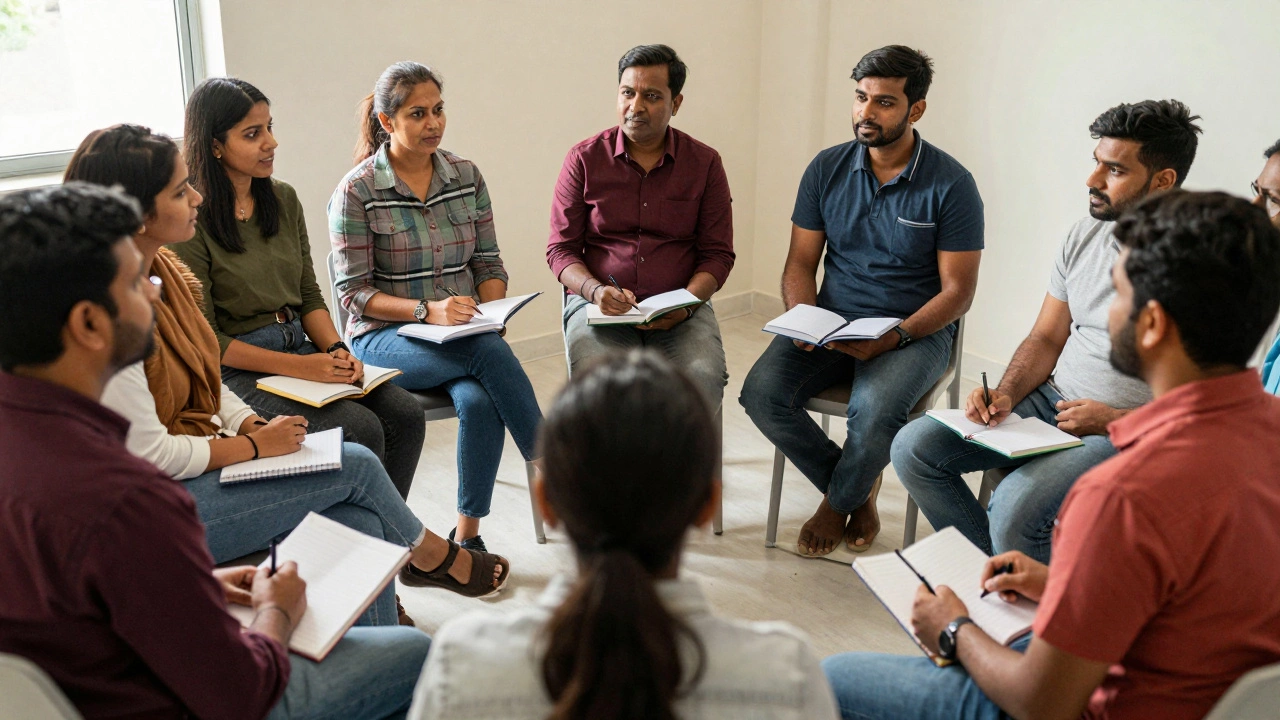
In Wellington, for example, local NGOs often partner with iwi (Māori tribes) to ensure cultural protocols are respected. If you skip this step, you risk offending the very people you want to help. Start by holding informal listening sessions. Don’t bring a PowerPoint. Bring notebooks and ask open-ended questions. Who holds influence here? What are the daily struggles? Which existing groups are trusted? These answers form your roadmap.
Why is listening more important than planning in outreach?
Planning without listening leads to misaligned solutions. Communities often reject top-down initiatives because they feel imposed. Listening builds trust and ensures your program addresses actual needs, not perceived ones.
Defining Clear, Measurable Goals
Vague goals kill momentum. Saying “we want to help the community” doesn’t tell your team what success looks like. Instead, use the SMART framework: Specific, Measurable, Achievable, Relevant, and Time-bound. For instance, instead of “increase awareness,” aim for “reach 500 new households with financial literacy workshops by December 2026.”
Metrics matter. Track both output (number of events held) and outcome (changes in behavior or status). If you run a youth mentorship program, counting mentors is useful, but tracking graduation rates or employment stats tells you if the program truly works. Regularly review these numbers. If you aren’t hitting targets, pivot quickly. Data keeps you honest.
Building Authentic Partnerships
No organization can do it alone. A successful outreach program leverages existing networks. Partner with local schools, businesses, faith groups, and other nonprofits. These partners provide credibility and access. When a trusted local leader vouches for your program, doors open faster.
Think about resource sharing. Maybe a business provides venue space, while a nonprofit offers volunteers. This reduces costs and strengthens community ties. In New Zealand, many successful programs rely on “whānau-centered” approaches, where extended family networks are engaged as partners rather than just recipients. This model fosters long-term sustainability because the community owns the solution.
Engaging Volunteers Effectively
Volunteers are the engine of most outreach efforts. But treating them as free labor leads to burnout. Successful programs invest in volunteer experience. Provide clear roles, proper training, and recognition. People stay engaged when they feel valued and see their impact.
Create a welcoming onboarding process. Explain the mission, set expectations, and offer flexibility. Use tools like digital sign-up sheets to reduce administrative hassle. Celebrate milestones publicly. When volunteers feel part of a team, they become ambassadors for your cause, bringing in friends and family.
Communication That Connects
Your message must resonate. Avoid jargon. Speak in plain language that reflects the community’s values. Use multiple channels: social media, local newspapers, word-of-mouth, and direct mail. Consistency is key. Post regularly, share stories of impact, and highlight individual contributions.
Storytelling humanizes data. Share photos and testimonials from participants. Show, don’t just tell. If you helped a family find housing, explain how it changed their lives. Emotional connection drives engagement more than statistics ever will. Ensure your visuals are inclusive and represent the diversity of the community you serve.
Sustainability and Long-Term Planning
Many programs fail after the initial funding dries up. To avoid this, build financial diversity. Don’t rely on a single grant. Combine donations, corporate sponsorships, and earned income where possible. Develop a succession plan for leadership so the program isn’t dependent on one person.
Regularly evaluate and adapt. Conduct annual reviews with stakeholders. Ask what worked, what didn’t, and what should change. Stay flexible. Community needs evolve, especially in times of economic or social shift. A rigid program becomes obsolete; an adaptive one thrives.
| Component | Action Item | Success Metric |
|---|---|---|
| Listening | Hold community forums | Number of unique voices heard |
| Goal Setting | Define SMART objectives | % of goals met within timeline |
| Partnerships | Sign MOUs with local orgs | Number of active collaborations |
| Volunteer Management | Provide training & recognition | Volunteer retention rate |
| Communication | Multi-channel storytelling | Engagement rates & reach |
Overcoming Common Pitfalls
Burnout is real. Staff and volunteers can get overwhelmed if expectations are too high. Set realistic boundaries. Prioritize self-care and mental health support. Another pitfall is scope creep. Trying to solve every problem dilutes focus. Stick to your core mission. Say no to distractions that don’t align with your goals.
Cultural insensitivity can also derail progress. Always educate your team on local customs and histories. In diverse communities, one-size-fits-all approaches fail. Customize your tactics to respect different backgrounds. This builds deeper trust and broader participation.
How do I measure the success of my outreach program?
Use a mix of quantitative metrics (attendance, funds raised) and qualitative feedback (surveys, interviews). Track changes in community well-being over time. Compare results against your initial SMART goals.
What if my community is resistant to my program?
Resistance often stems from past negative experiences or lack of trust. Engage local leaders early. Listen to concerns without defensiveness. Adjust your approach based on feedback. Patience and transparency are crucial.
How can I keep volunteers motivated long-term?
Offer meaningful roles, regular training, and public recognition. Create a sense of belonging through team activities. Show them the impact of their work through stories and data. Flexibility in scheduling also helps retain busy volunteers.
Is digital outreach as effective as in-person interaction?
Digital tools extend reach but cannot replace face-to-face trust-building. Use online platforms for information sharing and coordination, but prioritize in-person meetings for relationship development and sensitive discussions.
How do I secure funding for a long-term outreach program?
Diversify revenue streams. Apply for grants, seek corporate sponsorships, and launch crowdfunding campaigns. Build relationships with donors by showing transparent impact reports. Consider earning income through related services or events.