Community Outreach Strategy Builder
Not all outreach is created equal. Use this builder to design an approach that builds genuine trust rather than just broadcasting messages.
Your Outreach Strategy
Tailored recommendations based on your inputs
Based on your selected methods and goal alignment
How to measure if your outreach is working:
You see the flyers on the telephone poles. You get the emails asking for donations. You might even pass a food bank or a shelter on your way to work. But have you ever stopped to ask yourself what actually holds these pieces together? That glue is community outreach. It sounds like corporate jargon, doesn't it? Like something a marketing team invents to make a brand look good. But strip away the buzzwords, and you find something much more human. It’s simply the act of showing up.
Community outreach isn’t just about giving money or handing out flyers. It’s about building bridges between an organization-whether it’s a school, a hospital, a business, or a nonprofit-and the people they serve. If you’ve ever wondered why some charities thrive while others struggle, or how your local library stays open late despite budget cuts, the answer usually lies in effective outreach. This guide breaks down exactly what this concept means, why it matters, and how you can spot it (or start doing it) in your own life.
The Core Definition: More Than Just "Going Out"
At its simplest level, community outreach is a two-way street. Many people mistake it for one-way communication. They think it’s just announcing, "We are here, please support us." That’s marketing. True outreach involves listening as much as speaking. It requires understanding the specific needs, fears, and hopes of a neighborhood before trying to fix them.
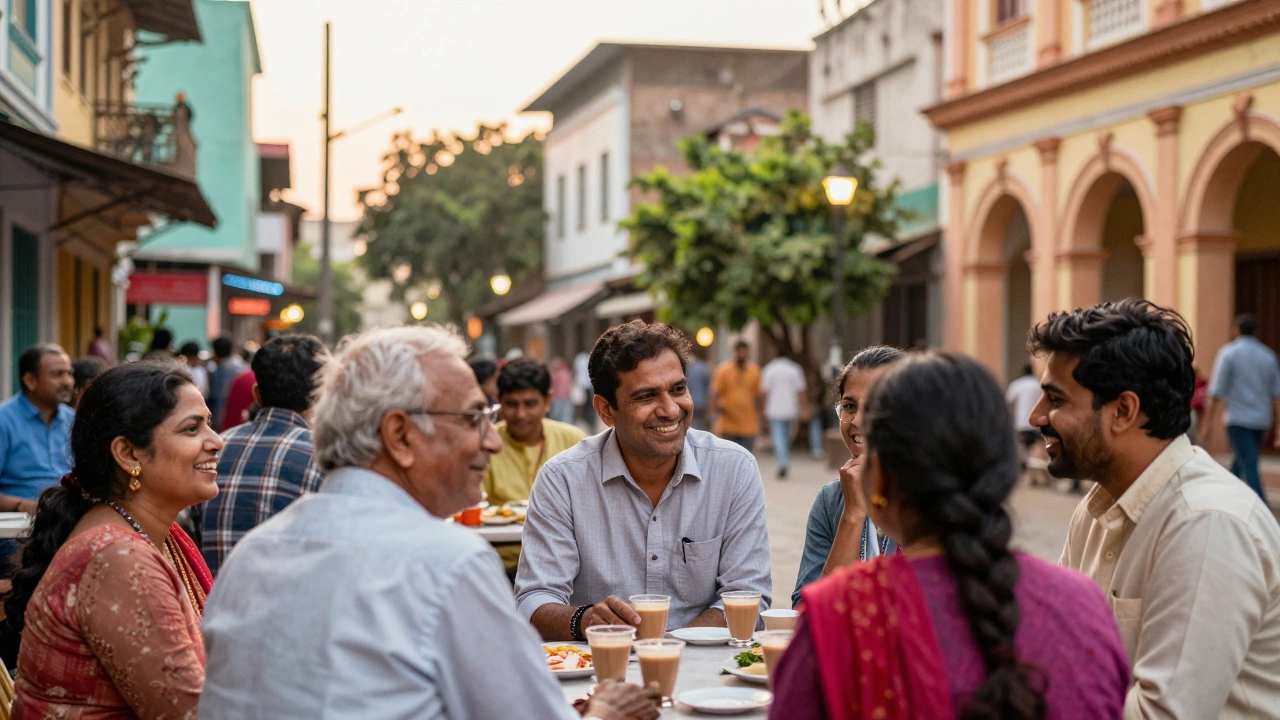
Imagine a new coffee shop opening in a quiet residential area. Marketing would involve putting up a sign that says "Grand Opening! 10% Off!" Outreach looks different. It involves the owner walking around the block, talking to residents about noise concerns, asking if they’d prefer a play area for kids, and maybe sponsoring the local little league team. The goal shifts from "selling product" to "building relationship." When you treat neighbors as partners rather than customers, you create loyalty that survives bad weather and economic downturns.
This distinction is crucial because it changes the metrics of success. In traditional sales, success is measured in revenue. In community outreach, success is measured in trust. And trust takes time to build. It cannot be rushed with a viral social media campaign alone. It requires consistent, genuine interaction over months and years.
Who Does Community Outreach?
You might assume this is the job of nonprofits only. While organizations like the Red Cross or local food banks are heavy hitters in this space, the reality is broader. Almost every entity that interacts with the public engages in some form of outreach.
| Sector | Typical Outreach Activities | Primary Goal |
|---|---|---|
| Nonprofits & Charities | Food drives, awareness campaigns, volunteer recruitment events | Raising funds and increasing mission visibility |
| Local Government | Town hall meetings, public comment periods, neighborhood patrols | Gathering feedback and ensuring civic participation |
| Corporations | Sponsorships, employee volunteer days, pro bono services | Building brand reputation and corporate social responsibility |
| Educational Institutions | Open houses, scholarship info sessions, parent-teacher nights | Enrollment growth and family engagement |
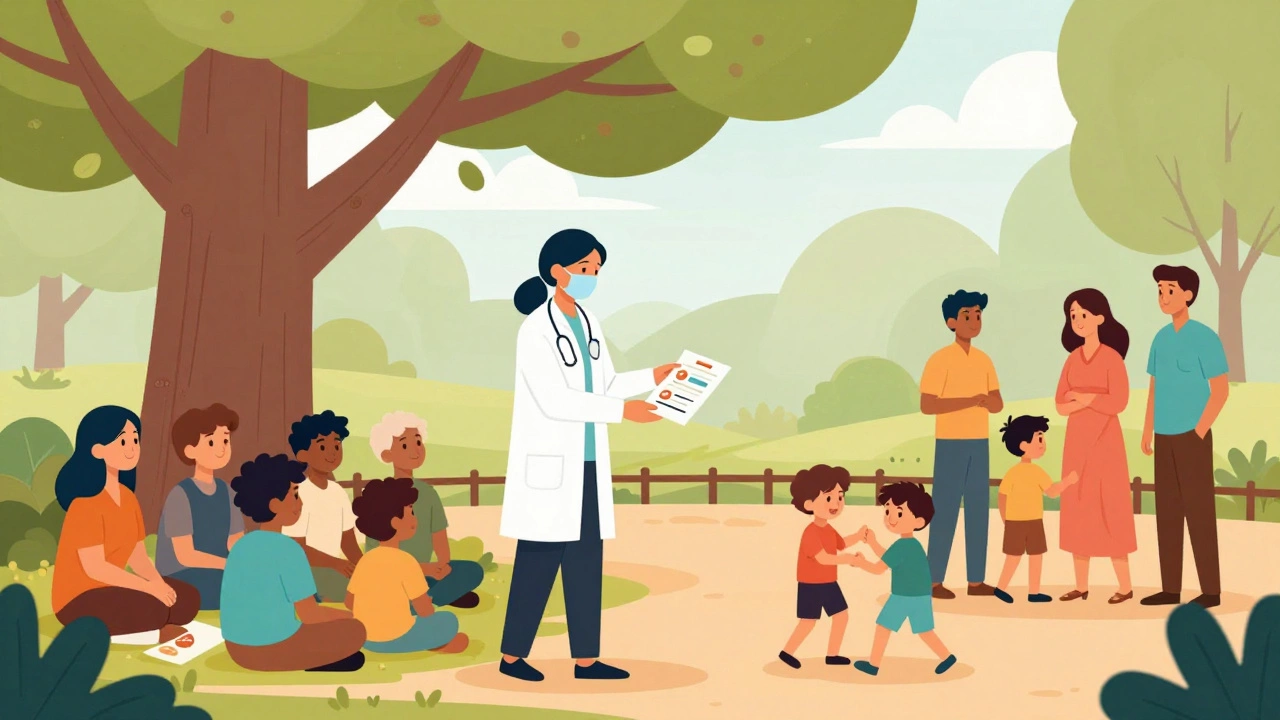
| Healthcare Providers | Free health screenings, vaccination clinics, wellness workshops | Improving public health outcomes and patient access |
Notice the pattern? Every sector wants something different, but they all need the community’s buy-in. A corporation might want a better reputation, while a hospital genuinely wants fewer emergency room visits due to preventable diseases. The methods overlap, but the motivations differ. Understanding who is reaching out helps you decide whether to engage. Are you looking for free resources? Or are you being sold a narrative?
Why Does It Matter? The Power of Local Trust
We live in a fragmented world. Social media algorithms often show us views opposite to our own, creating echo chambers that isolate us from our physical neighbors. Community outreach fights this isolation. It forces face-to-face interaction. It reminds us that the person living next door shares the same struggles with trash collection, traffic, or school quality.
When outreach works well, it creates what sociologists call "social capital." This isn’t money in the bank. It’s the network of relationships that allows a community to function smoothly. High social capital means people help each other pick up leaves, watch each other’s kids, and report suspicious activity without needing police intervention. Low social capital leads to apathy and disconnection.
Consider a recent example: during extreme heat waves, cities with strong neighborhood associations saw lower mortality rates among elderly residents. Why? Because neighbors knew who lived alone. They checked in on them. That knowledge didn’t come from a government database; it came from years of casual, consistent outreach efforts like block parties and coffee mornings. These small interactions saved lives.
Common Methods and Tactics
If you want to understand how outreach happens in practice, you need to look at the tactics. There are dozens, but most fall into three buckets: digital, physical, and collaborative.
Digital Outreach has exploded since 2020. It includes targeted social media ads, email newsletters, and virtual town halls. The advantage is reach; you can talk to thousands instantly. The disadvantage is depth. It’s hard to build deep trust through a screen. Digital tools are great for spreading information, but terrible for resolving conflict or building empathy.
Physical Presence remains king for trust-building. Think of pop-up clinics, farmers' markets, or church fairs. Being physically present signals commitment. It says, "I am willing to spend my time and energy here." A nonprofit setting up a tent in a park to distribute hygiene kits is doing physical outreach. People remember faces and voices far longer than they remember hashtags.
Collaborative Partnerships involve joining forces with existing groups. Instead of starting from scratch, an organization partners with a trusted local leader-a pastor, a teacher, or a small business owner. This leverages existing trust networks. For instance, a mental health initiative might partner with a popular local gym to offer free counseling sessions after workout hours. The gym brings the crowd; the initiative provides the service. Both win.
The Pitfalls: What Goes Wrong
Not all outreach is created equal. In fact, bad outreach can damage relationships faster than no outreach at all. Here are the most common mistakes organizations make.
- Parachuting: This happens when outsiders fly in, solve a problem quickly, and leave without staying to maintain the solution. It creates dependency rather than empowerment. True outreach builds local capacity so the community can sustain the change itself.
- Talking Over, Not To: Holding a meeting where officials read a prepared statement and allow five minutes of questions is not outreach. It’s a lecture. Effective outreach invites input before decisions are made.
- Ignoring Cultural Nuances: Using generic language that doesn’t reflect the local dialect, values, or history alienates people. If you’re reaching out to a specific ethnic community, use their preferred channels and respect their cultural protocols.
- Burnout: Expecting volunteers to do unpaid labor indefinitely leads to exhaustion. Sustainable outreach respects people’s time and offers meaningful recognition, not just a "thank you" card.
Avoiding these pitfalls requires humility. It means admitting you don’t know everything and that the community members are the experts on their own lives.

How to Measure Success
How do you know if your outreach is working? Vanity metrics lie. Likes, shares, and attendance numbers tell you how many people showed up, but not how they felt. To measure true impact, look at behavioral changes and qualitative feedback.
Did the number of repeat volunteers increase? Did local crime rates drop in the targeted area? Did residents report feeling safer or more connected? Surveys conducted six months after an event provide better data than headcounts on the day of the event. Long-term retention is the best indicator of successful outreach. If people keep coming back, you’re doing something right.
Getting Started: Your Role in the Ecosystem
You don’t need to run a nonprofit to participate in community outreach. You can start small. Join a neighborhood association. Volunteer at a local school. Mentor a young person. These acts contribute to the social fabric of your area.
Start by identifying a gap. Is there a lack of green spaces? Do seniors feel isolated? Is there confusion about recycling rules? Once you identify a need, find who is already working on it. Don’t reinvent the wheel. Amplify existing efforts. Offer your skills-whether it’s graphic design, carpentry, or just showing up to listen.
Remember, community outreach is a marathon, not a sprint. It requires patience, consistency, and a willingness to fail and try again. But the rewards-a stronger, more resilient, and more connected community-are worth the effort.
Is community outreach the same as marketing?
No, they are distinct. Marketing focuses on promoting a product or service to generate sales or awareness, often using one-way communication. Community outreach focuses on building relationships, understanding needs, and fostering mutual benefit through two-way engagement. While marketing seeks to convert, outreach seeks to connect.
Who benefits most from community outreach?
Everyone benefits. Residents gain access to resources, a sense of belonging, and improved local conditions. Organizations gain trust, valuable feedback, and a supportive base. The broader society benefits from increased social cohesion, reduced crime, and stronger civic participation.
How can I start community outreach in my neighborhood?
Start by getting to know your neighbors. Introduce yourself, join local online groups, and attend town council meetings. Identify a specific issue that bothers you and others, then look for existing organizations addressing it. Offer your time or skills to support their efforts rather than starting a new project from scratch.
What are the biggest challenges in community outreach?
Key challenges include building trust with skeptical populations, securing sustainable funding, avoiding volunteer burnout, and measuring long-term impact accurately. Another major hurdle is overcoming logistical barriers like transportation and childcare that prevent marginalized groups from participating.
Does digital outreach replace face-to-face interaction?
No, it complements it. Digital tools are excellent for spreading information quickly and reaching wider audiences. However, they lack the emotional depth and trust-building power of in-person interactions. The most effective strategies combine both, using digital platforms to schedule and promote events that happen in real life.