Environmental Balance Analyzer
Every environment is a hybrid system. Rate the status of the three main classifications for a specific area (e.g., your neighborhood, a park, or a city) to see how balanced it is.
Plants, animals, fungi, bacteria, and their interactions.
Air, water, soil, sunlight, temperature, and natural resources.
Human structures, laws, culture, economic systems, and waste management.
Analysis Result
Recommendation
Visual representation of the dominant environmental forces.
When you step outside your front door in Wellington, you don't just encounter "the environment" as a single blob. You feel the wind, see the trees, and notice the people walking their dogs. But scientifically and ecologically, the environment isn't one thing. It’s a complex system broken down into distinct classifications to help us understand how life survives.
If you’ve ever wondered why some species thrive while others struggle, or why climate change affects different regions uniquely, the answer lies in these categories. We classify the environment into three main types: biological, physical, and social. Each plays a critical role in shaping the world around us, and they are deeply interconnected. Let’s break down what each classification actually means and why it matters for our daily lives.
What is the biological environment?
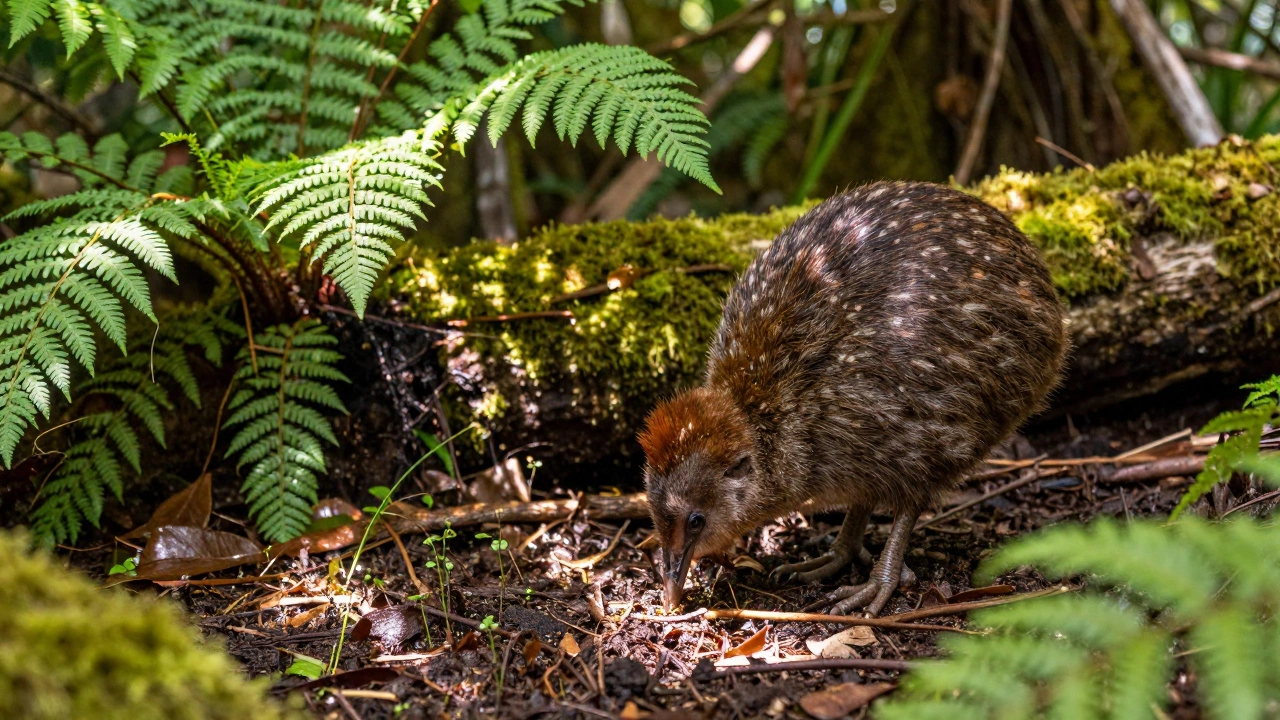
The biological environment, also known as the biotic environment, consists of all living organisms that interact with each other. This includes plants, animals, fungi, bacteria, and humans. In this classification, the focus is on relationships like predation, competition, and symbiosis. For example, the kiwi bird in New Zealand relies on specific native plants for food, which in turn depend on soil microbes for nutrients. These interactions form food webs and ecosystems that maintain balance.
How does the physical environment differ from the biological one?
The physical environment, or abiotic environment, refers to non-living components such as air, water, soil, sunlight, and temperature. Unlike the biological environment, these elements do not grow or reproduce but provide the essential conditions for life. For instance, rainfall patterns determine whether a forest can sustain itself, while soil composition affects crop yields. The physical environment sets the stage upon which biological processes occur.
Why is the social environment considered part of environmental classification?
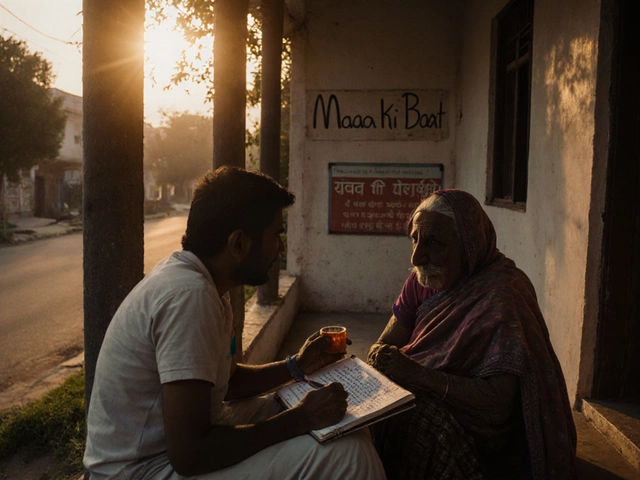
The social environment encompasses human-made structures, cultural practices, economic systems, and political institutions. It influences how we use natural resources and manage waste. Urban planning, laws regarding pollution, and community recycling programs are all part of this classification. While not "natural," the social environment has profound impacts on both biological and physical environments through activities like deforestation or conservation efforts.
Can an environment be classified as more than one type?
Yes, most real-world environments are hybrid systems where all three classifications overlap. A coral reef, for example, involves biological entities (corals, fish), physical factors (water temperature, salinity), and social elements (tourism regulations, fishing bans). Understanding these overlaps helps scientists predict ecosystem responses to changes like warming oceans or overfishing.
Who first proposed these environmental classifications?
While no single person invented these categories, early ecologists like Eugene Odum laid groundwork for distinguishing between biotic and abiotic factors in the mid-20th century. Later researchers expanded this framework to include anthropogenic (human-driven) influences, leading to the modern triad of biological, physical, and social environments used today in sustainability studies.
How do these classifications help in addressing climate change?
By separating environmental components, policymakers can target interventions more effectively. For example, reducing carbon emissions addresses the physical environment (atmosphere), planting forests supports the biological environment (carbon sinks), and promoting green energy subsidies engages the social environment (economic incentives). Integrated strategies across all three areas yield better outcomes than isolated actions.
Are there other ways to classify the environment besides these three?
Some frameworks add subcategories like "built environment" (distinct from social) or "micro-environments" (local conditions affecting small organisms). However, the biological-physical-social model remains widely accepted because it covers both natural and human dimensions comprehensively without unnecessary complexity.
What happens if one classification is neglected?
Neglecting any component leads to imbalance. Ignoring the biological environment might result in biodiversity loss; overlooking the physical could cause resource depletion; disregarding the social aspect may lead to policy failures or public resistance. Sustainable development requires attention to all three to ensure long-term resilience.
How can individuals contribute to balancing these environments?
Individuals can support the biological environment by protecting local wildlife habitats, improve the physical environment by conserving water and reducing waste, and strengthen the social environment by advocating for eco-friendly policies and participating in community clean-ups. Small actions collectively create significant positive impacts.
Is the distinction between these classifications always clear-cut?
Not always. Boundaries blur in many cases-for instance, when urban heat islands affect local climates (physical) and influence plant growth (biological) within city parks managed by municipal governments (social). Recognizing these fluid boundaries encourages holistic thinking rather than siloed approaches.