Environment Categories Quiz
Test your understanding of how the environment is divided into natural, built, and social categories. Each question relates directly to the article content.
Correct Answers Explained
When people talk about the environment, they often picture forests, rivers, or wildlife. But that’s only part of the story. The environment isn’t just nature-it’s everything that surrounds us and shapes how we live. Scientists and planners group the environment into three clear categories to better understand how human actions affect the world. These aren’t just academic labels-they’re practical tools used by governments, schools, and community groups to make smarter decisions about land, health, and policy.
Natural Environment
The natural environment is what exists without human design. It includes air, water, soil, plants, animals, and ecosystems. This is the foundation of life on Earth. Without clean air to breathe, fresh water to drink, or healthy soil to grow food, human societies collapse. In New Zealand, for example, the natural environment includes the Southern Alps, the Waitomo caves, and the unique bird species like the kākāpō. These aren’t just scenic spots-they’re living systems that support everything from tourism to agriculture.
When we talk about pollution, deforestation, or climate change, we’re talking about threats to the natural environment. A 2023 report from the Ministry for the Environment showed that over 40% of New Zealand’s freshwater streams have nutrient levels that harm aquatic life. That’s not just bad for fish-it affects drinking water, fishing industries, and even Māori cultural practices tied to river health.
Built Environment
The built environment is everything humans have constructed: roads, buildings, bridges, power lines, and cities. It’s the physical structure of human civilization. Unlike the natural environment, it’s designed, managed, and maintained by people. But it doesn’t exist in isolation. A poorly planned city can block wind patterns, trap heat, or flood during heavy rain. A well-planned one can reduce energy use, improve air quality, and connect people to green spaces.
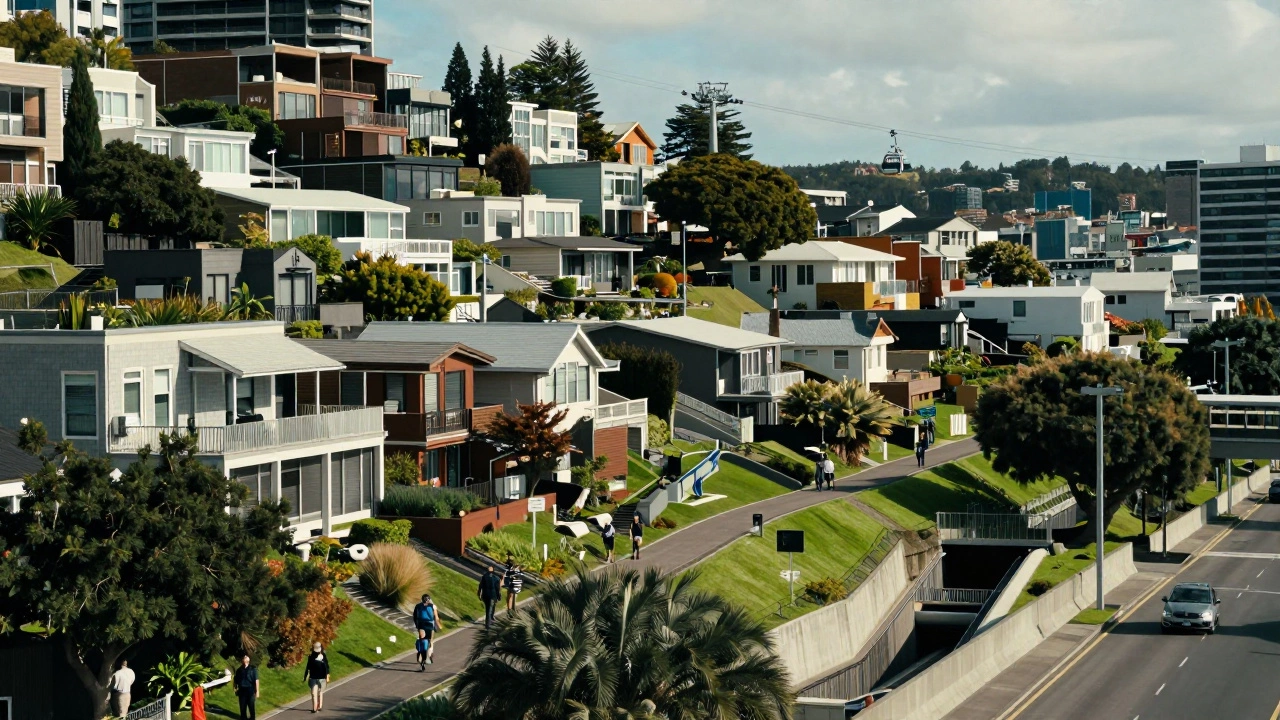
In Wellington, the built environment includes the steep hills lined with houses, the cable car system, and the harbor-side walkways. But it also includes the stormwater drains that overflow during winter storms, or the concrete walls along highways that block wildlife movement. The built environment isn’t just about aesthetics-it’s about function. A 2025 urban planning study found that neighborhoods with tree-lined streets and pedestrian paths had 22% lower rates of asthma in children. That’s because trees filter pollution and reduce heat. The built environment directly affects health, safety, and daily comfort.
Social Environment
The social environment is often overlooked, but it’s just as real as the air we breathe or the buildings we live in. It includes the systems, norms, and relationships that shape how people interact: laws, education, healthcare, culture, economic opportunity, and community trust. A neighborhood with strong community centers, fair wages, and access to mental health services has a healthier social environment than one with high crime, isolation, or job insecurity.
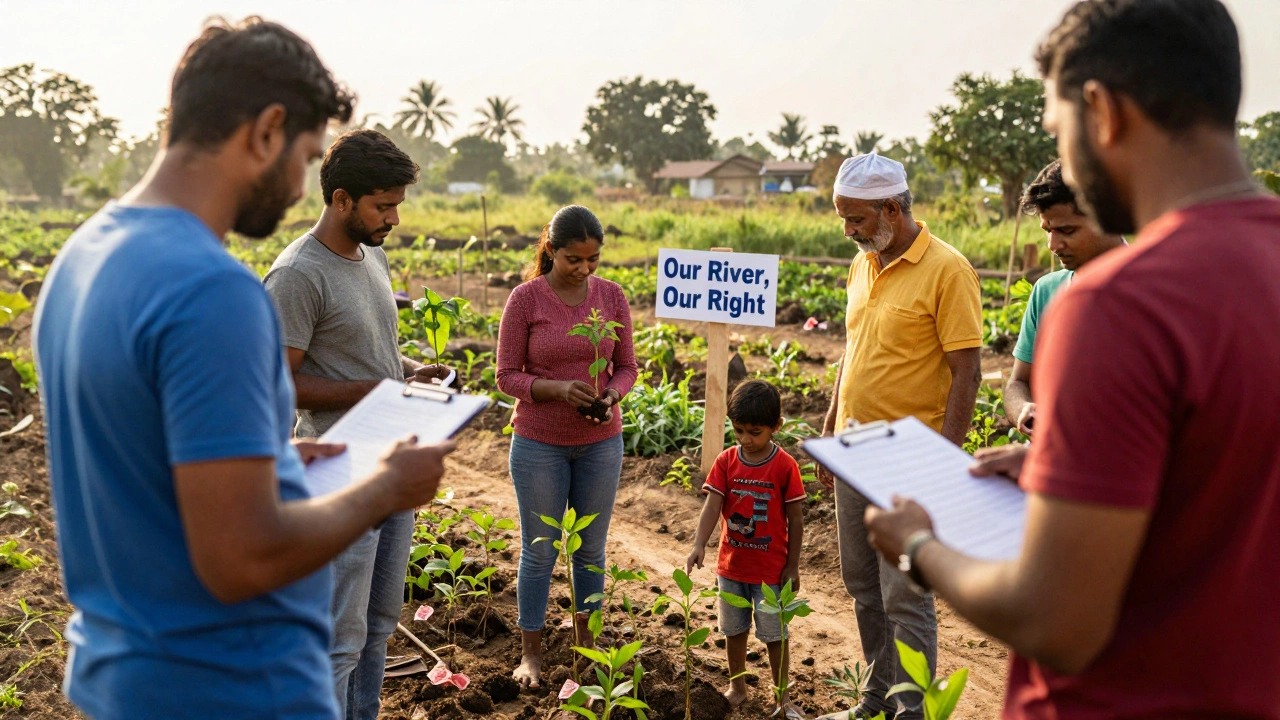
In rural communities, the social environment might mean whether people can get to a doctor without driving two hours. In cities, it might mean whether a teenager feels safe walking home after dark. A 2024 study from Victoria University linked poor social environments to higher rates of environmental neglect. When people feel powerless or disconnected, they’re less likely to recycle, join clean-up efforts, or speak up about pollution. The social environment doesn’t just influence behavior-it determines whether people even believe they can make a difference.
Why These Three Matter Together
These three categories don’t work separately. They’re deeply connected. For example, a factory built near a river (built environment) might dump chemicals (natural environment) and then lay off workers, causing stress and loss of community trust (social environment). You can’t fix one without looking at the others.
Take the case of the Whanganui River in New Zealand. In 2017, the river was granted legal personhood. That wasn’t just a symbolic gesture. It meant the river’s health became tied to the rights of local Māori iwi (tribes), the quality of upstream farming practices, and the enforcement of pollution laws. The natural environment (the river) was protected by changes in the built environment (farming infrastructure) and the social environment (legal recognition of indigenous rights).
When policymakers ignore one category, the others suffer. A city that builds more highways (built) without considering air quality (natural) or public transit access (social) ends up with traffic jams, respiratory illness, and inequality. Solutions only work when all three are addressed.
What You Can Do
You don’t need to be a scientist or politician to act. Start by noticing how these three categories show up in your daily life:
- When you walk through a park, are the trees healthy? That’s the natural environment.
- Are the sidewalks broken? Is there a bus stop nearby? That’s the built environment.
- Do you feel safe asking local leaders about pollution? Do neighbors help each other? That’s the social environment.
Small actions add up. Joining a local tree-planting group improves the natural and built environments. Talking to your council about better lighting or bike lanes changes the built and social environments. Supporting fair housing policies strengthens the social environment, which in turn leads to more people caring for their surroundings.
The environment isn’t just “out there.” It’s in your street, your school, your workplace, and your relationships. Understanding these three categories helps you see where you can make a real difference.
Are the three environment categories the same worldwide?
Yes, the three categories-natural, built, and social-are used globally by scientists, planners, and international organizations like the United Nations and the World Health Organization. While local examples may differ (like mangroves in Indonesia versus alpine meadows in New Zealand), the framework stays the same because it’s based on how humans interact with their surroundings, not geography.
Can the social environment affect pollution levels?
Absolutely. Communities with strong social ties and civic trust are more likely to report illegal dumping, support recycling programs, and push for clean energy policies. A 2022 study in the Journal of Environmental Psychology found that neighborhoods with high social cohesion had 30% less litter and 25% lower air pollution violations. When people feel heard and connected, they act more responsibly toward their environment.
Is the built environment only about cities?
No. The built environment includes all human-made structures: roads, dams, farms, power plants, schools, and even footpaths in rural areas. A single-lane bridge in the South Island, a solar-powered water pump in a farming community, or a community garden in a suburb-all are part of the built environment. It’s not about size or location-it’s about human design.
Why isn’t technology listed as its own category?
Technology is a tool, not a category. It’s embedded within the built environment-like electric buses or smart sensors that monitor air quality. It can also influence the social environment, like apps that connect neighbors for clean-up events. But it doesn’t stand alone because it’s not a system of life or space. It’s a means to improve one or more of the three core categories.
Do these categories apply to climate change?
Yes, and they help explain why climate solutions fail or succeed. Rising sea levels (natural) threaten coastal homes (built), but if communities lack trust in government (social), they won’t support relocation plans. Climate action only works when all three are addressed: reducing emissions (natural), upgrading infrastructure (built), and engaging people (social).