Building a successful outreach program isn’t about handing out flyers or posting on social media once a month. It’s about building real relationships that last. Too many organizations start with big goals-outreach program goals-but skip the groundwork. They want to reach 1,000 people in six months, but they don’t know who those people are, what they care about, or how to talk to them. That’s why most outreach efforts fail before they even begin.
Start with listening, not talking
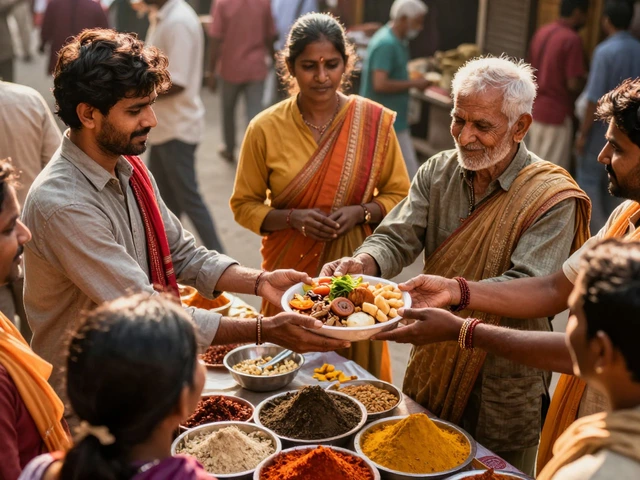
Before you design a single flyer or schedule a single event, spend time in the community. Go to local markets, attend school board meetings, sit in on church gatherings, or just chat with people on the bus. Ask open questions: What’s one thing you wish your neighborhood had? What’s stopped you from joining a program like this before? Write down the answers. Don’t try to fix anything yet-just listen.In Wellington, a group trying to reduce youth loneliness didn’t launch a mentoring program right away. Instead, they spent three months talking to teens at libraries, skate parks, and food banks. They found most didn’t want more activities-they wanted adults who showed up consistently, without an agenda. That insight changed everything. Their outreach shifted from ‘Join our program’ to ‘We’re here, every Thursday, if you want to talk or just hang out.’ Attendance doubled in two months.
Know your people, not just your numbers
You can’t build outreach for ‘the community’ as one big blob. Communities are made of smaller groups with different needs. A program that works for new immigrants might not work for seniors, and neither might work for teens. Break your audience into clear segments:- Parents of young children
- Unemployed adults seeking skills
- Older adults living alone
- Youth aged 15-24
- People with limited English
For each group, ask: What’s their biggest daily challenge? Where do they spend time-online and offline? Who do they trust? A senior might trust their local pharmacist. A teen might trust a TikTok creator from their neighborhood. Your outreach message needs to come from someone they already believe in.
Use trusted messengers, not just your logo
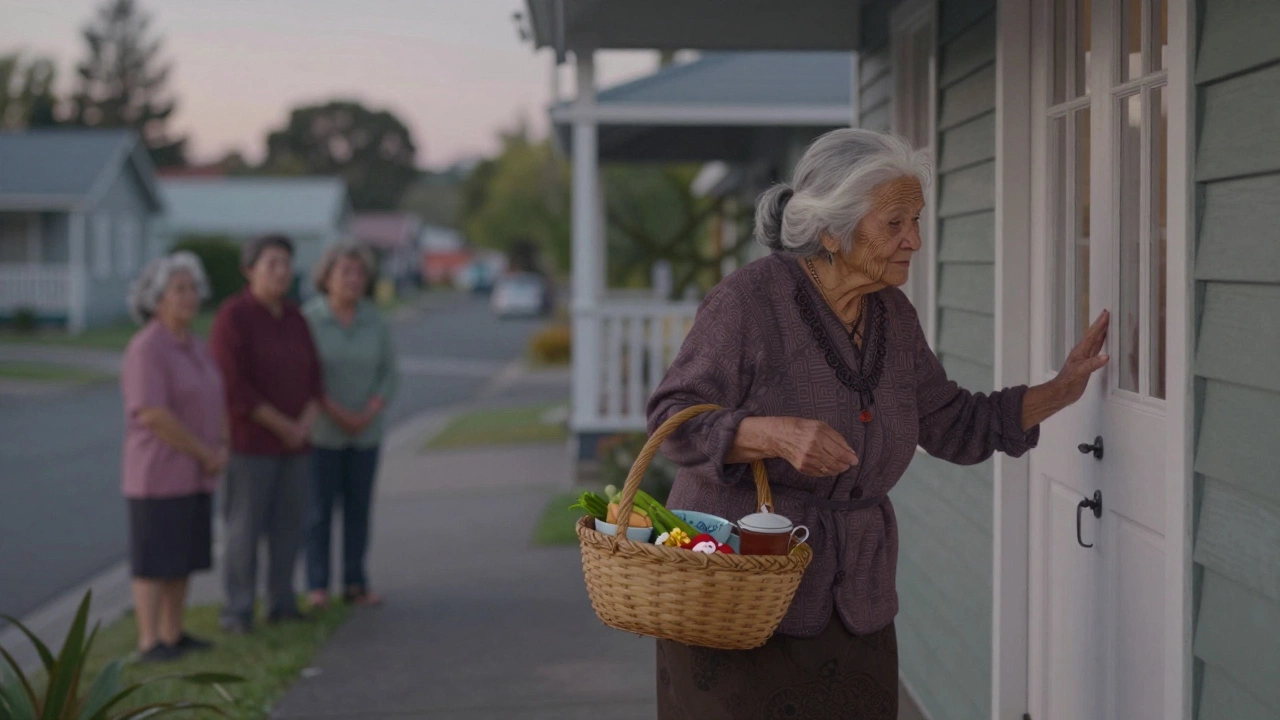
People don’t respond to organizations. They respond to people they know. Your outreach team should include members from the community-not just staff in branded T-shirts. Recruit local leaders: a teacher, a religious leader, a barista who’s been working at the same café for 15 years, a retired nurse who still knows everyone on the block.In one South Island town, a food bank struggled to reach isolated Māori families. They hired a local kuia (elder) to make house calls with a basket of kai (food) and a cup of tea. No forms. No questions. Just presence. Within six months, enrollment in their nutrition program jumped by 70%. The kuia wasn’t paid much, but she was respected. That’s the power of trusted messengers.
Make it easy to say yes
If your outreach requires forms, appointments, or waiting lists, you’re losing people before they even start. The barrier to entry should be as low as possible.- No registration needed for the first event
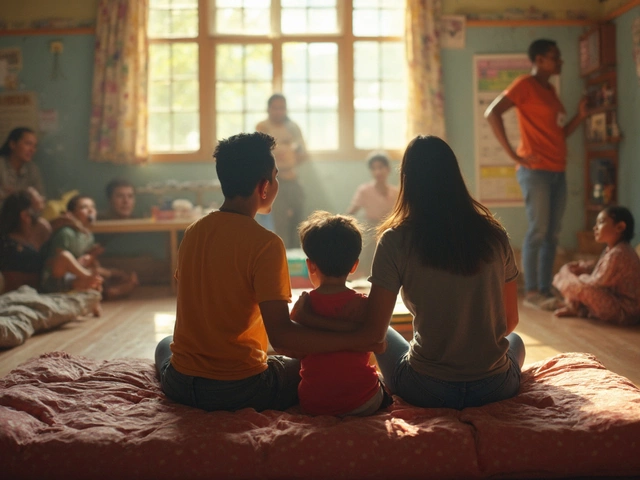
- Offer childcare during meetings
- Hold events at times that work for shift workers-early mornings or late evenings
- Use simple language. Avoid jargon like ‘stakeholder engagement’ or ‘capacity building’
- Accept cash, vouchers, or even barter if needed
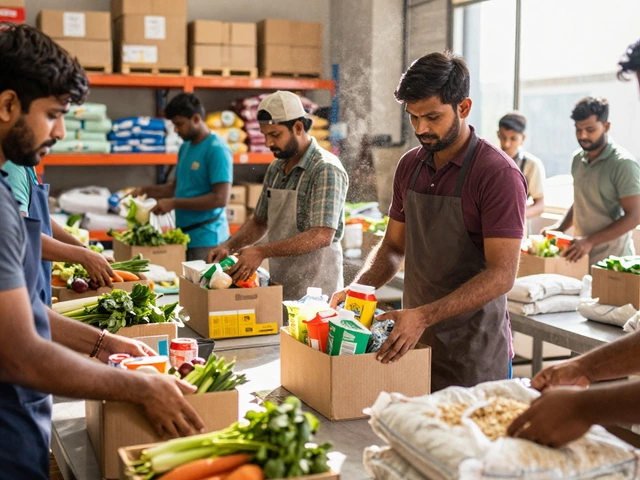
A homelessness outreach team in Dunedin stopped requiring ID to access warm meals. Instead, they asked: What’s your name? What would help you today? Attendance tripled. People weren’t turned away because they lacked paperwork-they were welcomed because they were treated like humans.
Consistency beats grand gestures
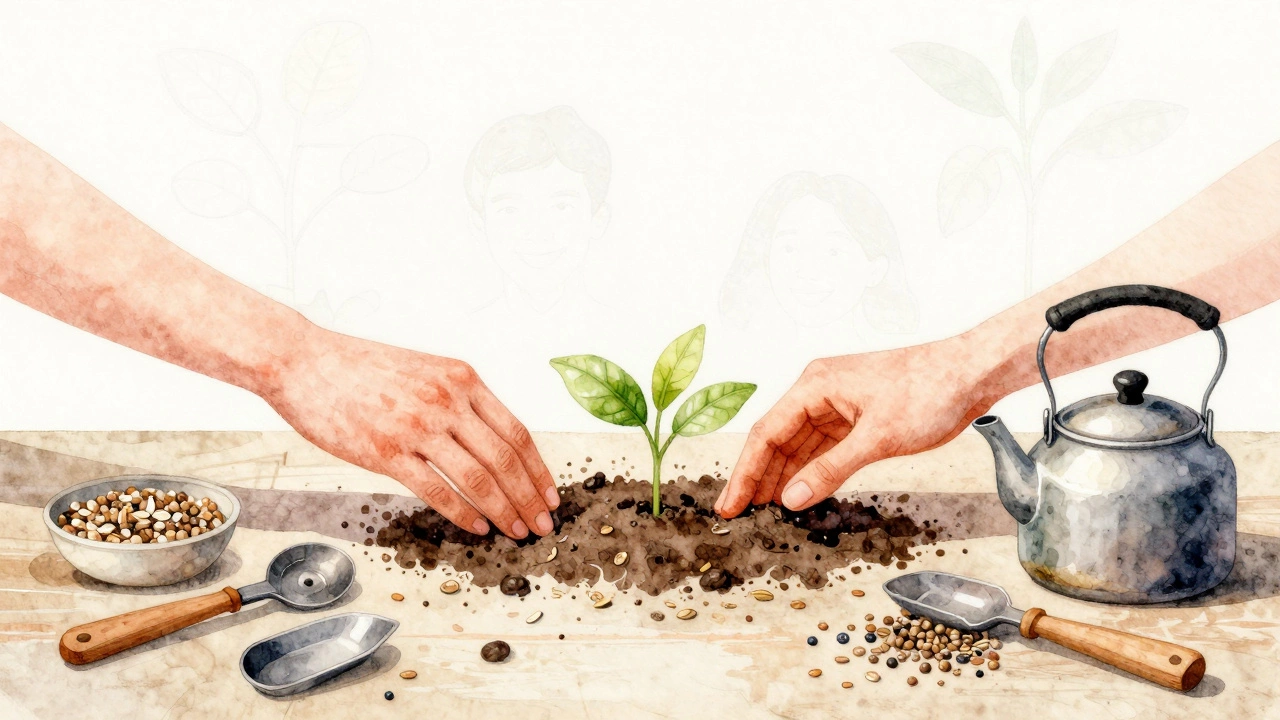
One big event a year won’t build trust. Weekly coffee mornings, monthly gardening days, or biweekly story hours do. People need to see you show up, again and again, rain or shine. You’re not selling something-you’re proving you’re not going anywhere.One community garden in Porirua started with just three people showing up every Saturday. They didn’t advertise. They didn’t have a budget. They just showed up with seeds, tools, and a kettle. Over two years, it grew into a hub with 80 regulars, a youth mentorship program, and a local council grant. Why? Because people knew they could count on it.
Measure what matters
Don’t track how many people attended your event. Track how many came back. Track how many brought a friend. Track how many said, ‘I didn’t think this was for me, but now I feel like I belong.’Use simple tools: a notebook, a QR code linking to a one-question survey (What kept you coming back?), or just asking people face-to-face. If your outreach program is working, people will tell you. If they’re not coming back, it’s not working-and you need to change it.
Build partnerships, not just networks
You don’t have to do everything yourself. Partner with groups that already have trust in the community. A library can host your meetings. A local bakery can donate snacks. A school can let you use their gym on weekends. A church group might have volunteers who already care about the same issue.Don’t ask for money. Ask for access. Ask for space. Ask for their people. The right partnership means you’re not just adding to the noise-you’re joining a conversation that’s already happening.
Let the community lead
The biggest mistake? Thinking you have the solution. The people you’re trying to reach already know what they need. Your job is to help them make it happen.Instead of designing a program and asking, ‘What do you think?’ say, ‘What do you want to do? How can we help you do it?’ One group in Taranaki wanted to start a community radio station. They didn’t have funding or equipment. So the outreach team helped them apply for a small grant, connected them with a retired engineer who fixed old radios, and found a volunteer to teach basic broadcasting. Within a year, the station was running, hosted by locals, about local issues. The team didn’t create it-they made space for it.
What to avoid
- Don’t use guilt or pity in your messaging. People don’t respond to ‘help the poor.’ They respond to ‘you belong here.’
- Don’t assume everyone wants to be ‘helped.’ Many just want connection, respect, or a chance to contribute.
- Don’t expect instant results. Trust takes time. So does change.
- Don’t ignore feedback. If people say your event is too long, too loud, or too early-believe them.
Start small. Stay steady.
You don’t need a big budget or a fancy website to start a successful outreach program. You need curiosity, patience, and the willingness to show up-even when no one shows up with you.Try this: Pick one small group in your neighborhood. Spend one hour a week with them, just listening. No agenda. No pitch. Just presence. After a month, ask: What’s one thing we could do together? Then do it.
That’s how real outreach begins.
How long does it take to see results from an outreach program?
Real results take time-usually six months to two years. Early wins might be small: someone showing up twice, a person bringing a friend, or a local business offering space. These are signs of trust building. Don’t look for big numbers at first. Look for consistency. If people keep coming back, you’re on the right track.
Do I need funding to start an outreach program?
No. Many of the most successful outreach efforts started with zero budget. What you need is time, relationships, and willingness to show up. Use free spaces like libraries, parks, or community halls. Ask local shops for donations of food, drinks, or supplies. Volunteer your own time. Funding helps scale, but it’s not required to begin.
What if people don’t trust me or my organization?
Trust isn’t earned by your logo or your mission statement. It’s earned by showing up, listening, and following through. If people are hesitant, don’t push. Find someone they already trust-a local leader, teacher, or elder-and ask them to introduce you. Let them be your bridge. People trust people, not institutions.
How do I know if my outreach is culturally appropriate?
Ask the community. Don’t assume. If you’re working with Māori, Pacific, or immigrant groups, invite someone from that culture to co-design the program. Learn basic greetings in their language. Respect their customs-like removing shoes, offering tea, or avoiding direct eye contact if that’s their norm. Cultural appropriateness isn’t about getting it perfect-it’s about being willing to learn and adapt.
What’s the biggest mistake people make with outreach?
Trying to fix people instead of connecting with them. Outreach isn’t charity. It’s community. The biggest mistake is coming in with a solution before you understand the problem. People don’t need you to save them. They need you to stand beside them.