Community Engagement: How Real People Build Stronger Neighborhoods
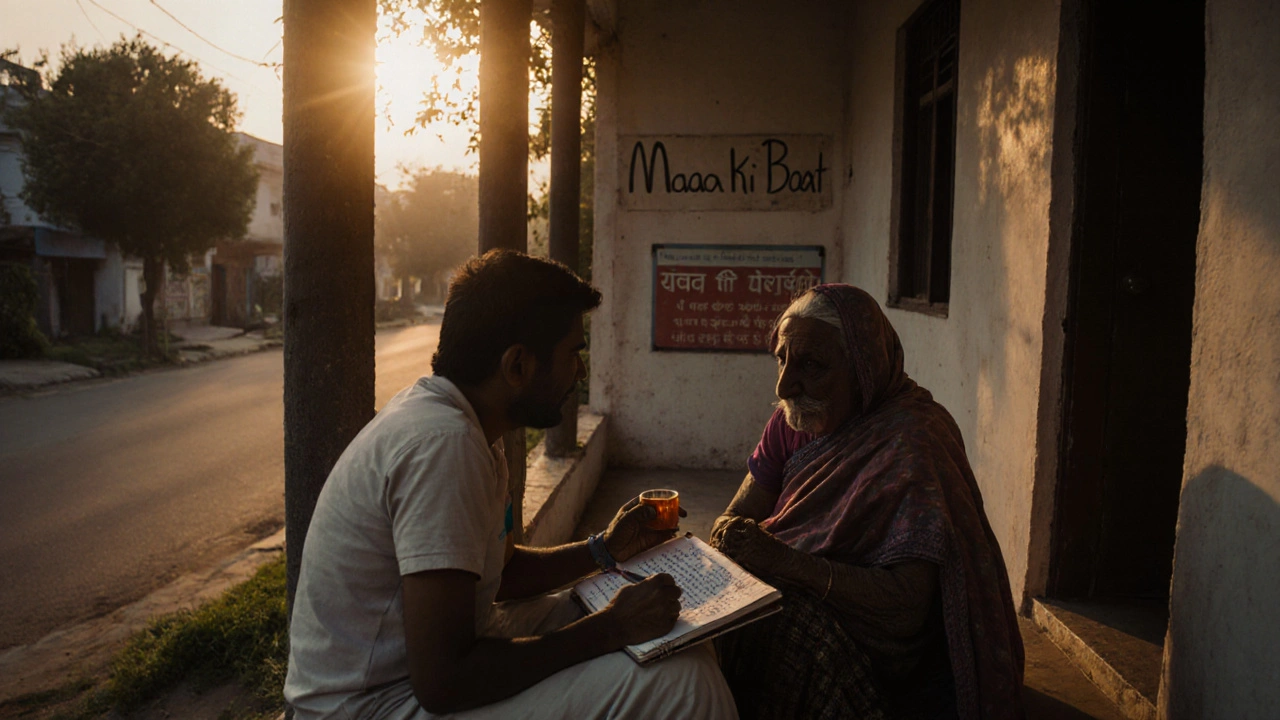
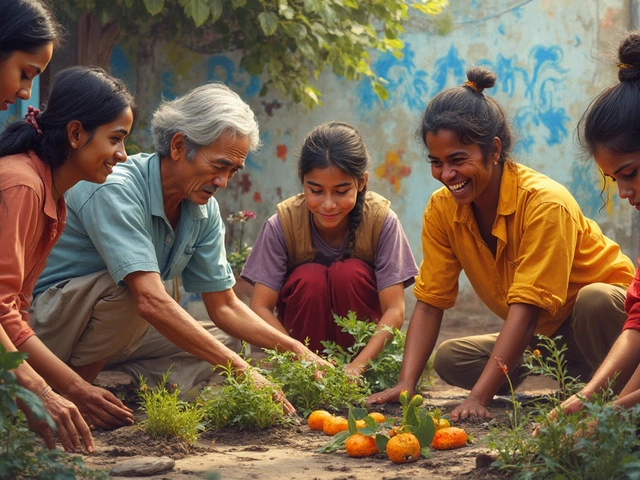
When we talk about community engagement, the active involvement of individuals in local initiatives to improve shared spaces, services, or well-being. Also known as civic participation, it’s what happens when neighbors stop waiting for someone else to fix things and start doing it together. This isn’t about fancy meetings or glossy brochures. It’s about someone organizing a food drive after seeing a parent struggle at the grocery store. It’s teens turning an empty lot into a garden because no one else would. It’s seniors leading a weekly walk group just so no one feels alone.
Volunteerism, the act of giving time without pay to support a cause or group is the engine behind most community engagement. But here’s the truth: people aren’t walking away because they don’t care—they’re walking away because the old ways don’t fit their lives. You can’t ask someone working two jobs and caring for kids to commit to a Tuesday night meeting. That’s why successful engagement now means flexible roles: one-time tasks, digital help, skill-based volunteering like tutoring over Zoom or fixing a website. It’s not about how much time you give—it’s about whether the way you give it actually works for you.
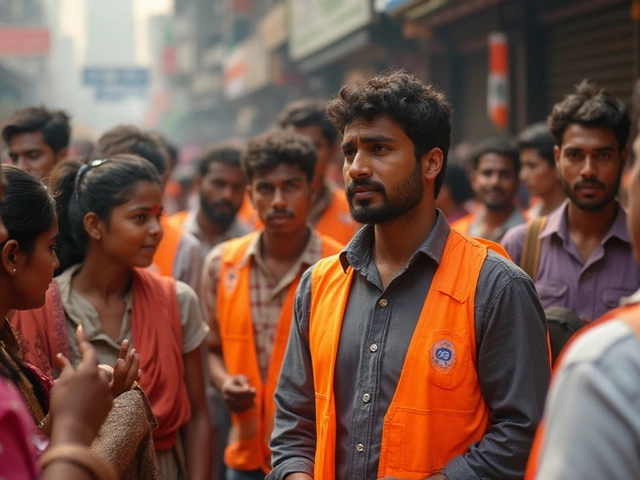
Outreach, the deliberate effort to connect with people who aren’t already involved is where most efforts fail. Too many groups think outreach means handing out flyers at the library. Real outreach means showing up where people already are—the bus stop, the laundromat, the after-school program. It means asking, not telling. It means listening more than speaking. The best outreach doesn’t sound like a campaign—it sounds like a conversation. And when you get that right, nonprofit, an organization that operates to serve a public or mutual benefit rather than generate profit work stops feeling like charity and starts feeling like community.
What you’ll find below aren’t theoretical guides. These are real stories from people who made something happen—starting a club that kids actually showed up for, fixing broken systems one conversation at a time, understanding why volunteers quit and how to bring them back. Some posts show you how to build something from scratch. Others explain why the biggest environmental groups don’t always do the most good. There’s advice on charity shops, trusts, food programs, and what really makes a youth group stick. No fluff. No jargon. Just what works when you’re trying to make a difference where you live.
1 December 2025
Elara Greenwood
Learn the 3 C's of community engagement - Connection, Commitment, and Capacity - and how they turn short-term efforts into lasting change. Real solutions start with listening, not fundraising.
Continue Reading...
29 October 2025
Elara Greenwood
Community outreach connects people to vital services through listening, advocacy, and trust-building. Learn the real roles behind outreach work and why it’s not just about events or volunteers.
Continue Reading...
20 October 2025
Elara Greenwood
Step‑by‑step guide to planning a charity event, covering goals, budgeting, volunteers, sponsorship, marketing, logistics, and post‑event follow‑up.
Continue Reading...
23 July 2025
Elara Greenwood
Discover how the 3 P's—Participation, Purpose, Passion—make or break community engagement. Learn practical tips for inspiring real involvement.
Continue Reading...
27 March 2025
Elara Greenwood
An outreach program thrives on collaboration and teamwork, involving a range of roles from coordinators to volunteers. Understanding these roles helps in maximizing the program's impact on the community. Key responsibilities include planning, communication, and direct engagement with the community. The success of an outreach program lies in the seamless integration of these roles, fostering trust and positive change.
Continue Reading...