Community Engagement Self-Assessment
Your Assessment
Ever wonder why some community projects take off while others fizzle out after a few meetings? It’s not always about money or volunteers. More often, it’s about missing the basics. The 3 C's of community engagement - Connection, Commitment, and Capacity - are the quiet engines behind every successful local effort. They don’t show up in grant applications or flashy flyers, but they show up in the people who keep showing up.
Connection: It Starts with Listening, Not Talking
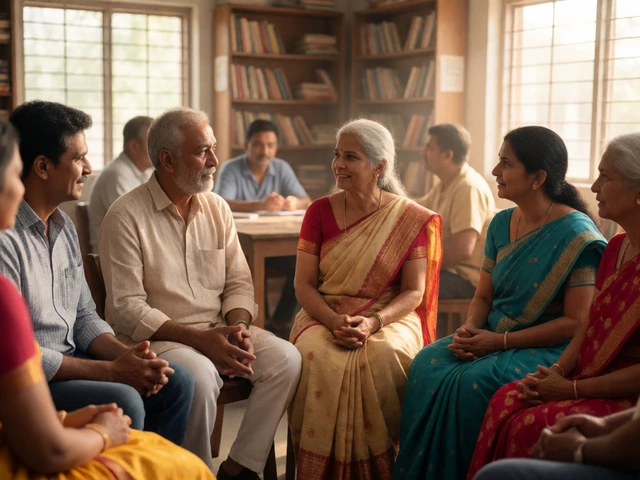
Most outreach efforts begin with a plan: a survey, a meeting, a flyer. But if you haven’t first built real connection, none of it matters. Connection isn’t about having a presence on social media. It’s about knowing who lives on Maple Street, what their kids are struggling with in school, and when the bus doesn’t come on time.
Take the case of a neighborhood in Dayton, Ohio. City planners wanted to redesign a park. They held a public forum. Only seven people showed up - all retirees. The real users - single moms, teens, immigrants - never came. Why? Because no one had sat down with them. No one had asked, in their language, over coffee, what they actually needed.
True connection means going where people are. It means showing up at church suppers, PTA meetings, barbershops, and laundromats. It means hiring community liaisons who live in the area, not just consultants from downtown. It means asking: What’s stopping you from getting involved? - and then listening without fixing.
Connection builds trust. And trust is the currency of community work.
Commitment: It’s Not About One-Time Events
Volunteer fairs, one-day cleanups, and holiday food drives feel good. But they don’t change systems. That’s because they treat symptoms, not causes. Real commitment means sticking around long after the headlines fade.
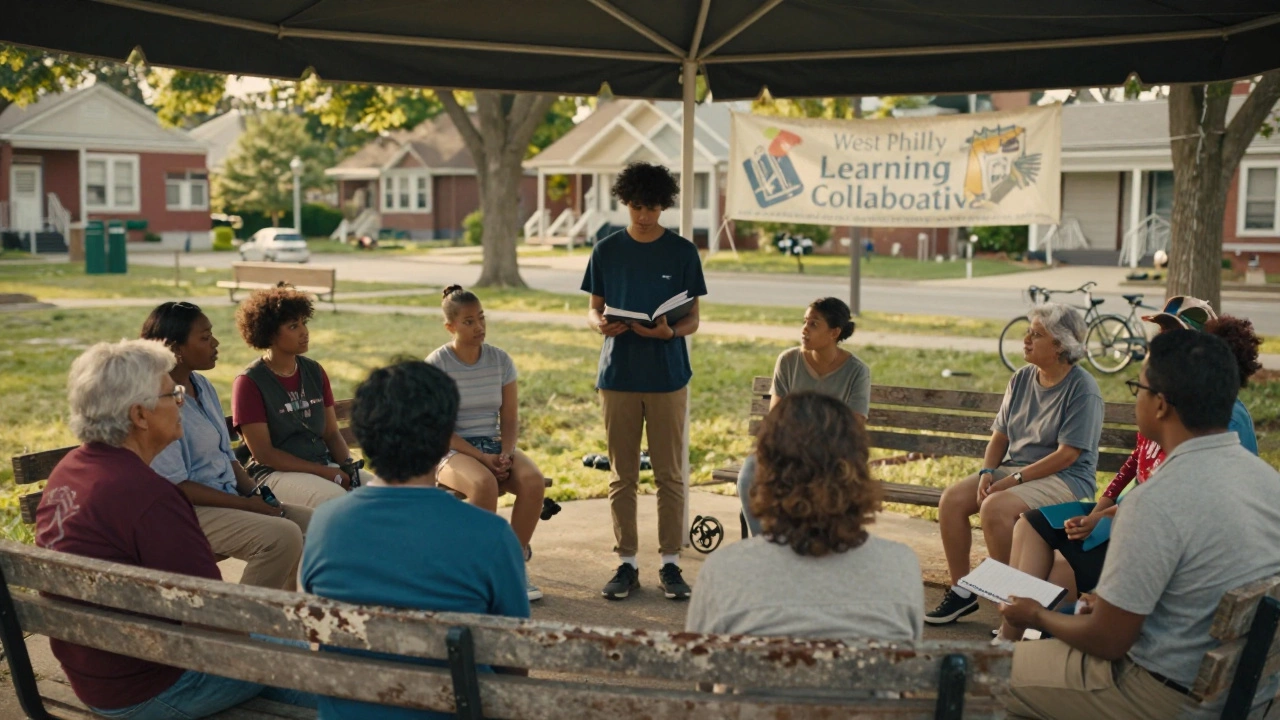
Look at the success of the West Philadelphia Learning Collaborative. Instead of bringing in tutors for a summer program, they trained local residents - parents, high school students, retired teachers - to become ongoing mentors. They didn’t just teach kids to read. They built a network of people who now meet every Tuesday, regardless of funding. Some of those mentors are now leading school board meetings.
Commitment looks like:
- People showing up month after month, even when there’s no pizza
- Leadership roles passed to residents, not outsiders
- Decisions made by the group, not imposed by a nonprofit
- Accountability built into the structure - not just in reports to funders
Too many organizations treat community members as temporary helpers. But real engagement means treating them as co-owners. When people feel ownership, they don’t just participate - they defend, expand, and improve what’s been built.
Capacity: Building Skills, Not Just Programs
You can have the best ideas in the world, but if no one has the tools to carry them out, they’ll gather dust. Capacity isn’t about hiring more staff. It’s about equipping the people already in the community with the skills, resources, and confidence to lead.
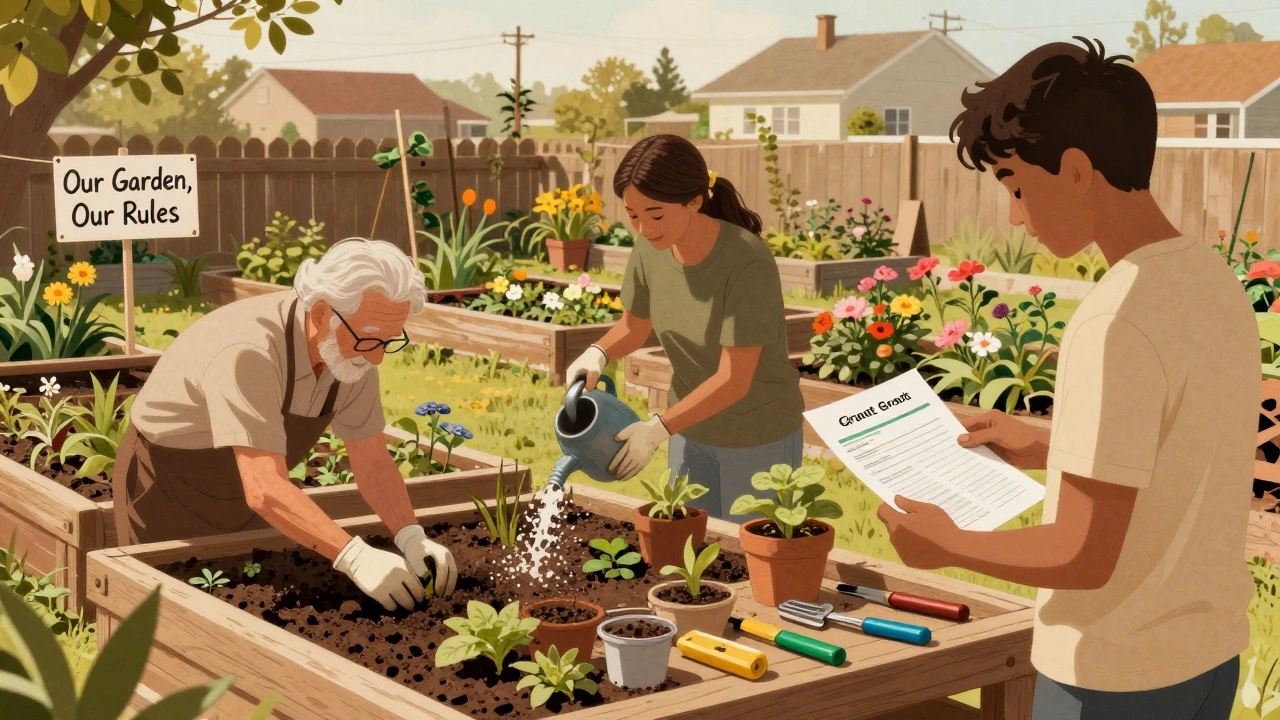
In Milwaukee, a group of residents wanted to start a community garden. They had land, but no experience with soil testing, irrigation, or grant writing. Instead of bringing in an expert to run the project, they partnered with a local college to offer free monthly workshops - led by a retired horticulture teacher who lived two blocks away. Within a year, three families were running their own plots, and one teenager started a small business selling seedlings at the farmers market.
Capacity-building looks like:
- Training residents in basic project management
- Teaching how to write simple grants or apply for city permits
- Providing access to tools - printers, meeting spaces, translation services
- Creating mentorship pathways so new leaders can step up
When you build capacity, you don’t just solve a problem. You create a pipeline of leaders who can solve the next one. That’s how movements grow - not from the top down, but from the ground up.
How the 3 C's Work Together
These aren’t separate steps. They’re layers of the same foundation.
Without Connection, you don’t know who to engage. Without Commitment, people won’t stay. Without Capacity, they won’t know how to act.
Think of it like planting a tree:
- Connection is finding the right soil - understanding the local culture, needs, and history
- Commitment is watering it every day, even when it rains
- Capacity is giving it the right nutrients - training, tools, support - so it grows strong
One organization in Richmond, Virginia, used this model to reduce youth violence. They didn’t bring in police or counselors first. They started by sitting with teens in the local rec center. They listened. They asked what they needed. Then they trained 12 teens to lead weekly peace circles. They gave them stipends, meeting space, and a simple guide. Two years later, those teens were running the program - and getting calls from other neighborhoods to help them start similar groups.
What Happens When You Skip One of the C's?
Skipping Connection? You get programs that feel foreign. Residents say, “That’s not for us.”
Skipping Commitment? You get short-term wins that vanish when funding ends. A new playground built - then left broken because no one was trained to maintain it.
Skipping Capacity? You create dependency. People wait for someone else to fix things. They learn to be passive.
One city in Michigan spent $500,000 on a “community wellness initiative.” They hired consultants, ran workshops, and printed brochures. Two years later, attendance was down to three people. Why? Because no one had ever asked what the community actually wanted. They just assumed.
Real-World Example: The 3 C's in Action
In 2023, a rural town in Iowa had a spike in food insecurity. The local food bank wanted to expand. Instead of just asking for donations, they did three things:
- Connection: They sent volunteers door-to-door - not to hand out flyers, but to ask: “What’s hard about getting food right now?” They found out many elders couldn’t walk far, and families didn’t have cars.
- Commitment: They recruited 15 residents to form a food access team. These weren’t volunteers who showed up once a week. They met monthly, tracked needs, and made decisions.
- Capacity: They trained five residents to drive a food van, manage inventory, and apply for state grants. One of them now runs the entire program.
Within 18 months, food insecurity dropped by 40%. And the food bank didn’t need to raise more money - because the community built its own system.
Start Small. Start Now.
You don’t need a big budget or a fancy nonprofit to begin. Just pick one block. One group. One question.
Ask: Who’s not at the table? Why? Then go sit with them. Listen. Don’t fix. Just be there.
Then, find one person willing to keep showing up - even when it’s hard. Train them. Give them a tool. Let them lead.
That’s how change happens. Not with a splash, but with steady, quiet steps. The 3 C's aren’t a strategy. They’re a rhythm. And once you find it, communities don’t just survive - they thrive.
What are the 3 C's of community engagement?
The 3 C's of community engagement are Connection, Commitment, and Capacity. Connection means building authentic relationships by listening and showing up where people are. Commitment means staying involved over time, not just during events. Capacity means equipping residents with the skills, tools, and confidence to lead their own initiatives.
Why is Connection more important than a big event?
Big events attract attention, but they rarely build lasting trust. Connection happens in quiet moments - a conversation at the laundromat, a chat after church, a home visit. People join causes they feel part of, not ones they’re invited to. Without connection, even the best programs feel foreign and temporary.
Can small communities use the 3 C's too?
Absolutely. In fact, small communities often have stronger natural connections. The key is to start local - one street, one family, one leader. You don’t need a staff of ten. You need one person who’s willing to listen, follow through, and help others grow. Many of the most successful programs began in towns with under 5,000 people.
How do you measure success with the 3 C's?
Success isn’t measured in numbers of attendees or dollars raised. It’s measured in people who take ownership. Ask: Are residents leading meetings now? Are they applying for grants? Are they mentoring others? If the answer is yes, you’ve built real capacity. If people are still waiting for an outsider to fix things, you haven’t started yet.
What’s the biggest mistake organizations make?
They assume they know what the community needs before asking. They design programs in an office, then try to sell them. Real engagement flips that. It starts with listening, not pitching. The most effective projects are often the ones residents came up with - not the ones nonprofits dreamed up.