Air Pollution Impact Calculator
How Your Actions Make a Difference
Based on WHO data showing 7 million premature deaths from air pollution annually (2024), your choices can save lives. Each action contributes to reducing PM2.5 exposure, which is linked to heart disease, dementia, and respiratory illnesses.
Your Potential Impact
Your choices matter. Just switching to renewable energy could prevent 0.1% of air pollution deaths. If everyone in your city made this change, it would save approximately 1.2 lives annually.
Every year, more people die from something most of us barely notice than from wars, accidents, or even cancer. It doesn’t make headlines every day. It doesn’t come with sirens or explosions. But it’s killing millions - and it’s getting worse.
It’s not a virus, a weapon, or a natural disaster
The deadliest threat to humans isn’t a pandemic, a nuclear bomb, or a meteor. It’s air pollution. And the biggest contributor to that pollution? Climate change.
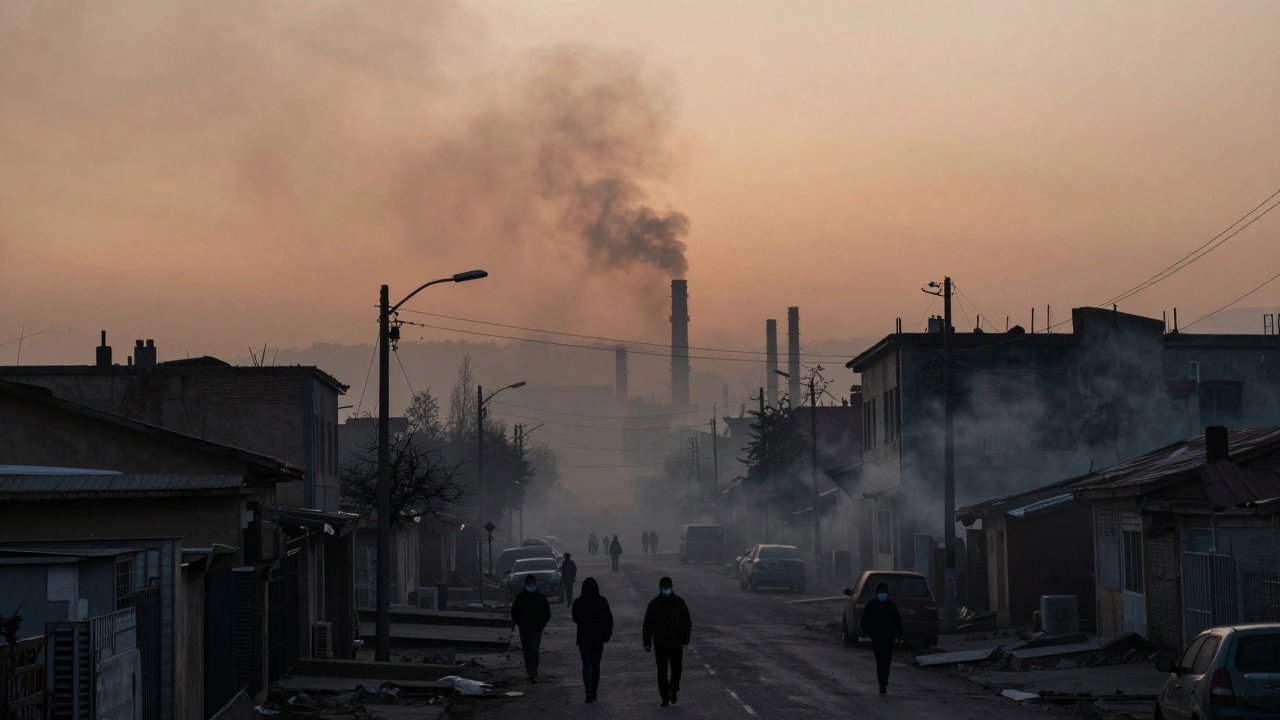
In 2024, the World Health Organization reported that air pollution caused 7 million premature deaths globally. That’s one in eight deaths worldwide. More than malaria, HIV/AIDS, and tobacco combined. And it’s not just the air you breathe in a big city. It’s the smoke from cooking stoves in rural homes, the dust from construction sites, the exhaust from diesel trucks, and the fine particles drifting across oceans from industrial zones thousands of miles away.
Climate change isn’t just about melting ice or hotter summers. It’s a multiplier. Rising temperatures make air pollution worse. Heat traps pollutants near the ground. Wildfires, fueled by dry conditions and droughts, send smoke into cities that weren’t built to handle it. In 2023, smoke from Canadian wildfires reached New York City, turning the sky orange and sending emergency rooms into overload. That’s not science fiction. That’s today.
Who’s most at risk?
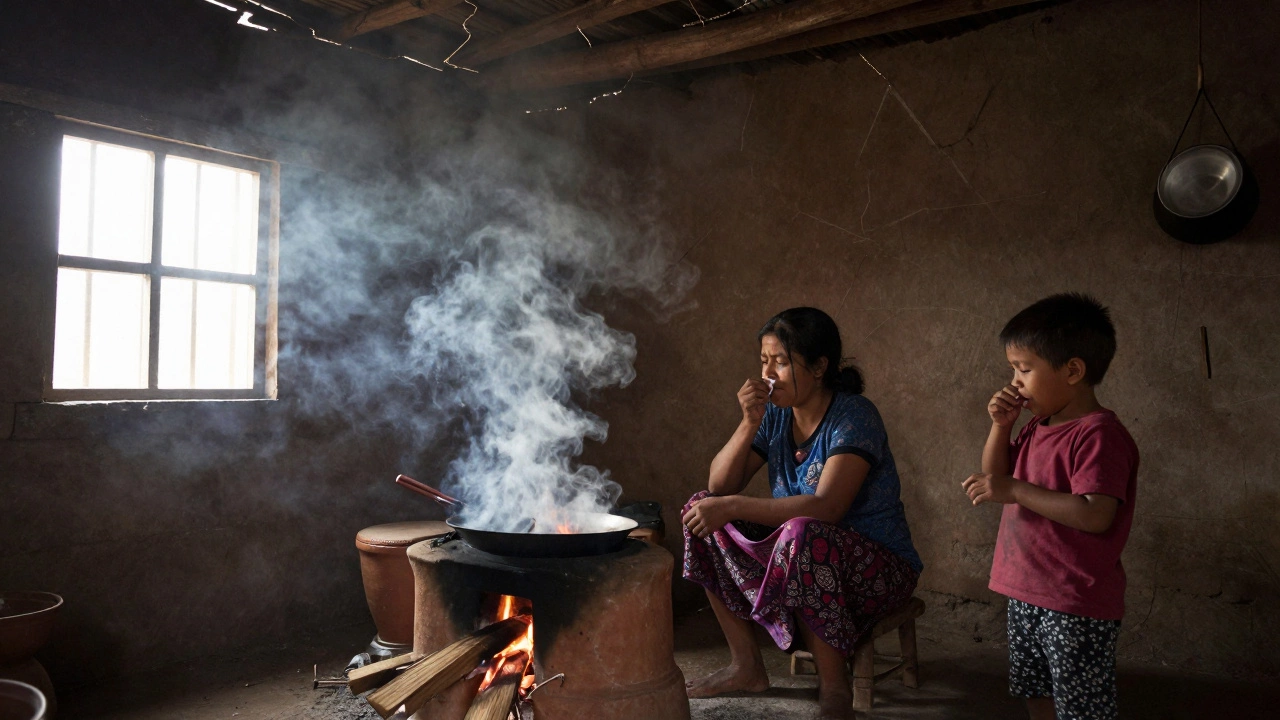
It’s not random who dies from polluted air. Children under five are especially vulnerable. Their lungs are still developing. In low-income countries, where indoor cooking with wood or dung is common, nearly 2 million children die each year from breathing smoke indoors. That’s more than the entire population of Wellington.
Older adults with heart or lung disease are next. But even healthy people aren’t safe. Long-term exposure to fine particulate matter - PM2.5 - shrinks lung capacity, increases stroke risk, and has been linked to dementia. A 2023 study in The Lancet found that people living in areas with high air pollution had a 20% higher chance of developing Alzheimer’s by age 70.
And it’s not just physical health. Air pollution affects mental health, too. Studies from universities in Tokyo, London, and Santiago show higher rates of depression and anxiety in neighborhoods with consistently poor air quality. It’s not just about breathing. It’s about living.
Why is climate change the root cause?
Climate change and air pollution are two sides of the same coin. Burning fossil fuels - coal, oil, gas - releases carbon dioxide (CO2) and toxic chemicals like nitrogen oxides, sulfur dioxide, and black carbon. These are the same substances that warm the planet and poison the air.
Power plants, factories, cars, and even airplanes all contribute. But the biggest single source? Energy production. In 2024, coal-fired power plants were still responsible for over 30% of global CO2 emissions and nearly half of all air pollution-related deaths in Asia.
And it’s not just about the smoke. Climate change disrupts weather patterns, which changes how pollution spreads. Droughts increase dust storms. Warmer oceans fuel more intense storms that carry pollutants farther. In New Zealand, we’ve seen more frequent haze from Australian bushfires drifting across the Tasman Sea - a reminder that pollution doesn’t respect borders.
What’s being done - and what’s not
Some countries are making progress. The European Union cut air pollution-related deaths by 40% between 2005 and 2022 by enforcing strict emissions standards and phasing out coal. China reduced PM2.5 levels in Beijing by over 50% in ten years after shutting down hundreds of coal plants and investing in electric buses and solar power.
But progress is uneven. In India, over 1.6 million people died from air pollution in 2024 alone. In sub-Saharan Africa, over 70% of households still rely on solid fuels for cooking. And in the United States, environmental rollbacks in some states have slowed progress. Meanwhile, global fossil fuel subsidies reached $7 trillion in 2024 - more than the combined GDP of Canada and Australia.
Environmental groups are pushing for change. Organizations like Greenpeace, the Sierra Club, and local groups in Wellington are demanding faster transitions to clean energy, better public transport, and stricter limits on industrial emissions. But they’re up against powerful industries that profit from the status quo.
What you can actually do
It’s easy to feel powerless. But your choices matter - not just as an individual, but as part of a collective voice.
- Support clean energy: If you can, switch to a renewable electricity provider. In New Zealand, over 80% of electricity already comes from renewable sources. Use that power wisely.
- Reduce car use: Walk, bike, or take public transport. One less car on the road reduces emissions and traffic noise - both linked to stress and heart disease.
- Speak up: Vote for leaders who prioritize clean air. Attend council meetings. Write to your representatives. Demand clean air standards as a public health issue, not just an environmental one.
- Check indoor air quality: Use air purifiers with HEPA filters if you live near busy roads. Avoid burning candles or incense indoors. Keep your home well-ventilated.
These aren’t just "green" habits. They’re survival habits.
The real cost of inaction
If we keep going the way we are, air pollution will kill 9 million people a year by 2050, according to the Global Burden of Disease study. That’s like losing the entire population of New Zealand every two years.
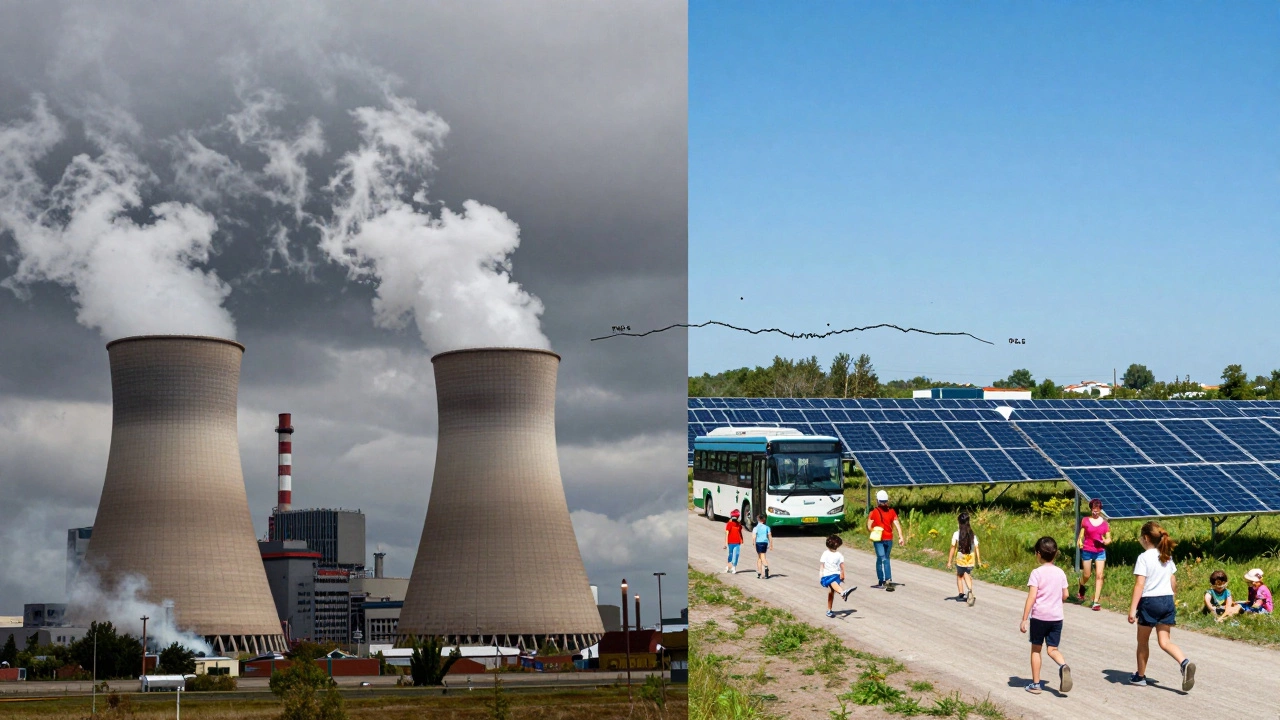
But here’s the truth: we already have the tools to fix this. Solar panels are cheaper than coal in most of the world. Electric vehicles are now more affordable than gas cars. Clean cooking stoves cost less than $50 and can save a family’s life.
What we’re missing isn’t technology. It’s political will. It’s urgency. It’s seeing this not as a distant environmental problem - but as the single biggest health crisis humanity faces right now.
Every breath you take is a reminder of what’s at stake. And every choice you make - from how you get to work to who you vote for - is part of the solution.
Is air pollution really deadlier than war or cancer?
Yes. According to the World Health Organization, air pollution caused 7 million premature deaths in 2024. That’s more than the combined total of deaths from malaria, HIV/AIDS, tuberculosis, and all forms of violence, including war. While cancer kills about 10 million people a year, many of those cases are linked to long-term exposure to air pollution - meaning the two are connected. Air pollution is both a direct and indirect cause of death on a massive scale.
Can I protect myself from air pollution at home?
Yes. Use a HEPA air purifier, especially in bedrooms. Avoid burning candles, incense, or wood fires indoors. Keep windows closed on high-pollution days - check local air quality apps. If you cook with gas, use an exhaust fan. In homes with poor ventilation, even indoor plants can help slightly, but they’re no substitute for proper filtration.
Why isn’t this talked about more in the media?
Because it’s slow, silent, and invisible. Unlike a wildfire or a flood, air pollution doesn’t make dramatic images every day. It’s a gradual poisoning - and that makes it easier to ignore. Media often focuses on immediate disasters, not long-term health trends. But environmental groups and public health experts have been warning about this for decades.
Does living in a rural area protect me?
Not necessarily. In many rural areas, people burn wood, dung, or crop waste for cooking and heating - creating dangerous indoor air pollution. In fact, over 2 million people die each year from indoor air pollution, mostly in rural parts of Asia, Africa, and Latin America. Even in places like New Zealand, smoke from distant wildfires can drift in and affect air quality.
What’s the link between climate change and air pollution?
They share the same root cause: burning fossil fuels. CO2 traps heat in the atmosphere, warming the planet. At the same time, burning coal, oil, and gas releases toxic particles and gases like nitrogen oxides and sulfur dioxide - the same substances that cause smog, lung disease, and heart attacks. Climate change also worsens pollution by increasing heatwaves, which trap pollutants near the ground, and by fueling wildfires that release massive amounts of smoke.
What comes next?
The next decade will decide whether we treat air pollution as a background issue - or as the emergency it is.
Every policy that shuts down a coal plant, every city that adds bike lanes, every family that switches to an electric stove - these aren’t small acts. They’re life-saving ones.
There’s no magic bullet. But there is a clear path: clean energy, clean transport, and clean homes. The technology exists. The science is settled. What’s missing is the collective will to act.
And that’s something every single person can help build - one choice, one voice, one vote at a time.