How to Plan a Successful Charity Event Step‑by‑Step
Step‑by‑step guide to planning a charity event, covering goals, budgeting, volunteers, sponsorship, marketing, logistics, and post‑event follow‑up.
Continue Reading...When you’re doing charity event planning, the process of organizing gatherings designed to raise funds or awareness for a social cause. Also known as fundraising event planning, it’s not just about renting a hall and selling tickets—it’s about connecting people to a cause they care about. Too many events fail because they treat fundraising like a transaction. The best ones feel like a community gathering where everyone walks away feeling like they made a difference.
Successful charity event planning relies on three things: clear purpose, real engagement, and smart logistics. You need to answer why someone should show up—not just what they’re paying for. A school club raising money for clean water? Tell them how many kids will get clean water from every $25 raised. A food drive for seniors? Show photos of the people who’ll eat the meals. People don’t give to events—they give to stories.
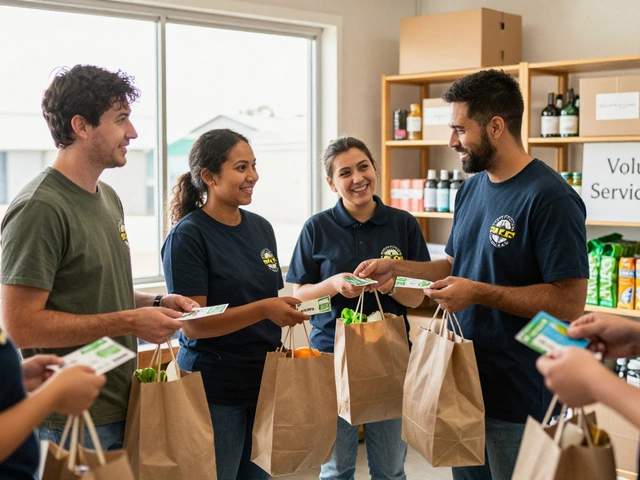
Then there’s the human side. volunteer coordination makes or breaks every event. Volunteers aren’t just extra hands—they’re your ambassadors. If they feel used, they won’t come back. If they feel trusted, they’ll bring friends. The most effective events give volunteers real roles: someone manages the registration table, another leads the silent auction, a third handles post-event thank-you calls. No one wants to stand around holding a donation bin with no direction.
And don’t forget the tools. You don’t need fancy software, but you do need a simple checklist: date, location, permits, insurance, payment system, signage, backup plans for rain or no-shows. One group in Virginia ran a successful senior food drive by partnering with a local church, using their kitchen for packing boxes, and letting volunteers pick their own shift times. No pressure. Just flexibility. That’s how you keep people coming back.
It’s also about timing. Don’t schedule your event during a holiday weekend or right after another big fundraiser in town. Check what’s already happening locally. People have limited time and money. Be the event they remember because it felt personal, not because you spent the most.
And while we’re talking about money, remember: the goal isn’t just to raise cash. It’s to build relationships. A charity event that turns one-time donors into monthly supporters is worth ten events that just bring in a one-time spike. Follow up. Send a photo. Say thank you. Let people see the impact.
There’s no magic formula, but there are patterns. The most successful events start small. They test one idea—like a bake sale or a walkathon—before scaling up. They listen to the community, not just the board. They let volunteers help design the event, not just run it.
What you’ll find below are real stories from people who’ve done this. Not theory. Not fluff. Actual plans that worked: how one school turned a struggling club into a city-wide fundraiser, how a nonprofit cut costs by using donated spaces, how a group in Virginia pulled off a food box event with zero paid staff. These aren’t perfect. But they’re real. And they show you exactly how to make your next event matter—not just happen.

Step‑by‑step guide to planning a charity event, covering goals, budgeting, volunteers, sponsorship, marketing, logistics, and post‑event follow‑up.
Continue Reading...
Planning a charity event isn’t just about sending invites and hoping for the best. This guide gives clear steps, smart strategies, and simple tricks to make your event actually raise money and build long-term support. Learn how to spark excitement, get people talking, and reach your fundraising goals. Get practical advice from creating a buzz to making the night unforgettable. You’ll walk away with a real plan, not just ideas.
Continue Reading...