Volunteer Gap Calculator
How gender and age affect volunteering
Enter your age group and gender to see estimated volunteer participation rates and hours based on global data from the article.
Your Volunteer Profile
Enter your age group and gender to see your estimated volunteer participation rates and time commitment.
When you walk into a food bank, a school tutoring program, or a beach cleanup, who do you see? More often than not, it’s women. But is that just a feeling-or is it backed by real data? The answer matters because understanding who volunteers helps organizations recruit better, allocate resources, and build teams that reflect the communities they serve.
Women volunteer more than men-by a significant margin
In New Zealand, the United States, Canada, and across the European Union, women consistently volunteer at higher rates than men. According to Statistics New Zealand’s 2024 Volunteering Survey, 42% of women aged 18 and over volunteered in the past year, compared to 34% of men. That’s an 8-percentage-point gap. In the U.S., the Corporation for National and Community Service found that in 2023, 27.5% of women volunteered regularly, while only 20.8% of men did. Similar patterns show up in Australia, the UK, and Germany.
It’s not just about showing up-it’s about how much time they give. On average, female volunteers spend 120 hours per year volunteering. Men average 95 hours. That’s nearly a full month more per year from women. This gap holds across age groups, education levels, and income brackets.
Why do women volunteer more?
This isn’t about being "nicer" or "more caring." It’s structural. Women are more likely to be in roles that naturally connect to community service. They’re more often the ones managing family schedules, organizing school events, or coordinating care for aging relatives. These responsibilities build habits of organizing, connecting, and giving time-skills that translate directly into volunteering.
Also, women are more likely to work in sectors like education, healthcare, and social services. Even if they’re not volunteering formally, they’re already in environments where helping is part of the culture. When they have free time, it’s natural to extend that support.
Men, on the other hand, are more likely to volunteer through organized groups like sports clubs, fire brigades, or professional associations. These opportunities often require specific skills or time commitments that don’t fit everyone’s schedule. Women’s volunteering tends to be more flexible: baking for a fundraiser, driving someone to a medical appointment, or helping with homework after school.
Age and life stage matter more than gender
But here’s the twist: the gender gap shrinks dramatically after retirement. In New Zealand, women aged 65+ volunteer at a rate of 51%. Men in the same age group? 48%. That’s almost even. Why? Because once people are no longer juggling full-time jobs and child-rearing, time becomes the main barrier-not gender norms.
Young adults (18-24) show the biggest gap. Only 28% of young women volunteer compared to 19% of young men. That’s a 9-point difference. But by age 35, women’s rates jump to 45%, while men’s hover around 30%. The shift happens when women start families, take on caregiving roles, or enter professions tied to community service.
What types of volunteering do men and women prefer?
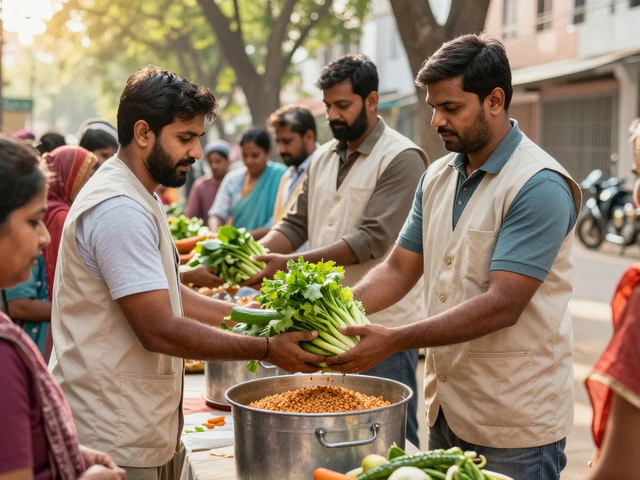
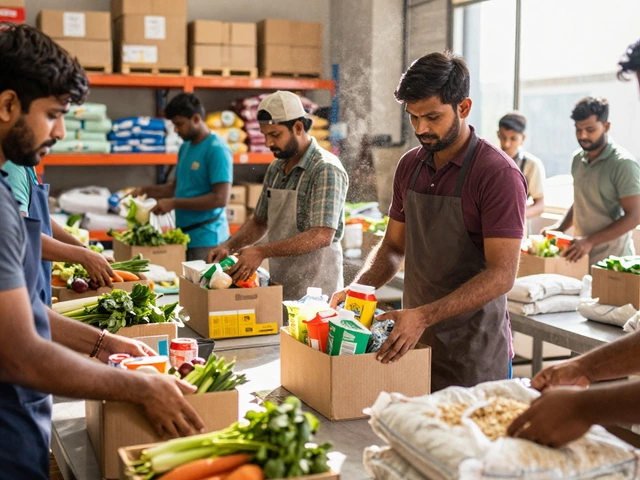
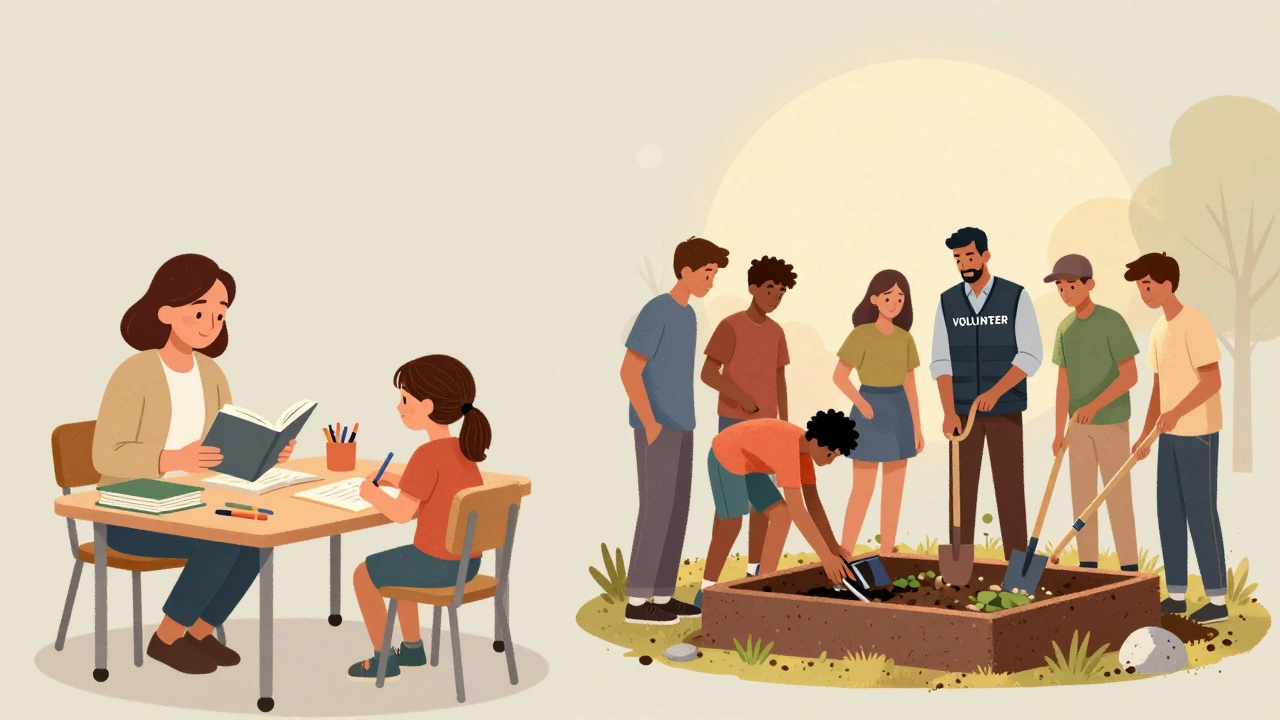
It’s not just about who volunteers-it’s about what they do. Women are far more likely to volunteer in education, health services, child care, and religious organizations. In Wellington, 62% of tutors in after-school programs are women. At food banks, 70% of regular volunteers are women.
Men are more likely to volunteer in sports coaching, construction, disaster response, and technical roles like IT support for nonprofits. They’re also more likely to serve on boards or fundraising committees. That’s not because they care less-it’s because those roles often require formal applications, longer commitments, or networks that men are more likely to access through work or social circles.
One 2023 study from the University of Auckland found that men who volunteered were more likely to say they did it to "build skills" or "expand my network." Women were more likely to say they did it to "help someone in need" or "make a difference in my community." These motivations shape how and where they show up.
The hidden cost: unpaid emotional labor
Women’s volunteering often includes emotional labor-remembering birthdays, checking in on lonely neighbors, calming anxious kids, listening to people in crisis. These tasks rarely get counted in official statistics. A woman who spends two hours a week calling elderly neighbors isn’t always listed as a "volunteer," even though she’s providing critical social support.
Organizations that only track formal hours miss this. They might think they have enough volunteers because they see the same 10 people at the weekly food distribution. But behind the scenes, dozens of women are doing the unseen work that keeps the whole system running.
What this means for volunteer organizations
If you’re trying to grow your volunteer base, assuming men and women will respond the same way is a mistake. Women respond to messages about connection, impact, and flexibility. Men respond to clear roles, measurable outcomes, and skill-building.
For example:
- Try saying: "Join our weekly tea circle for isolated seniors-no experience needed, just kindness." That appeals to women.
- Try saying: "Lead our next community garden build-trainings provided, tools included." That appeals to men.
Also, don’t assume men don’t want to help. They just need the right door to walk through. Many men would volunteer more if they knew exactly what to do, when to show up, and how their time would be used. They’re not lazy-they’re waiting for an invitation that speaks their language.
The future of volunteering: changing roles, changing norms
More men are stepping into caregiving roles at home. More women are holding leadership positions in the workforce. As gender roles continue to shift, so will volunteering patterns. We’re already seeing it: in New Zealand, the number of men volunteering in early childhood centers rose 18% between 2021 and 2024.
Organizations that adapt will thrive. That means offering more flexible, short-term, and skill-based opportunities. It means recognizing emotional labor as real volunteer work. And it means stopping the assumption that one gender "should" do more.
The goal isn’t to make men volunteer like women-or women volunteer like men. It’s to create spaces where everyone feels welcome, valued, and clear on how to contribute.