Volunteer Fit & Availability Calculator
Assess Your Capacity
Enter your details below to determine your current volunteer capacity and recommended engagement style.
Why This Matters
In 2026, traditional volunteering models are struggling. Understanding your specific constraints helps you avoid burnout and find opportunities that actually fit your life.
- ✓ Avoid "Time Poverty" traps
- ✓ Match skills to needs
- ✓ Prevent emotional exhaustion
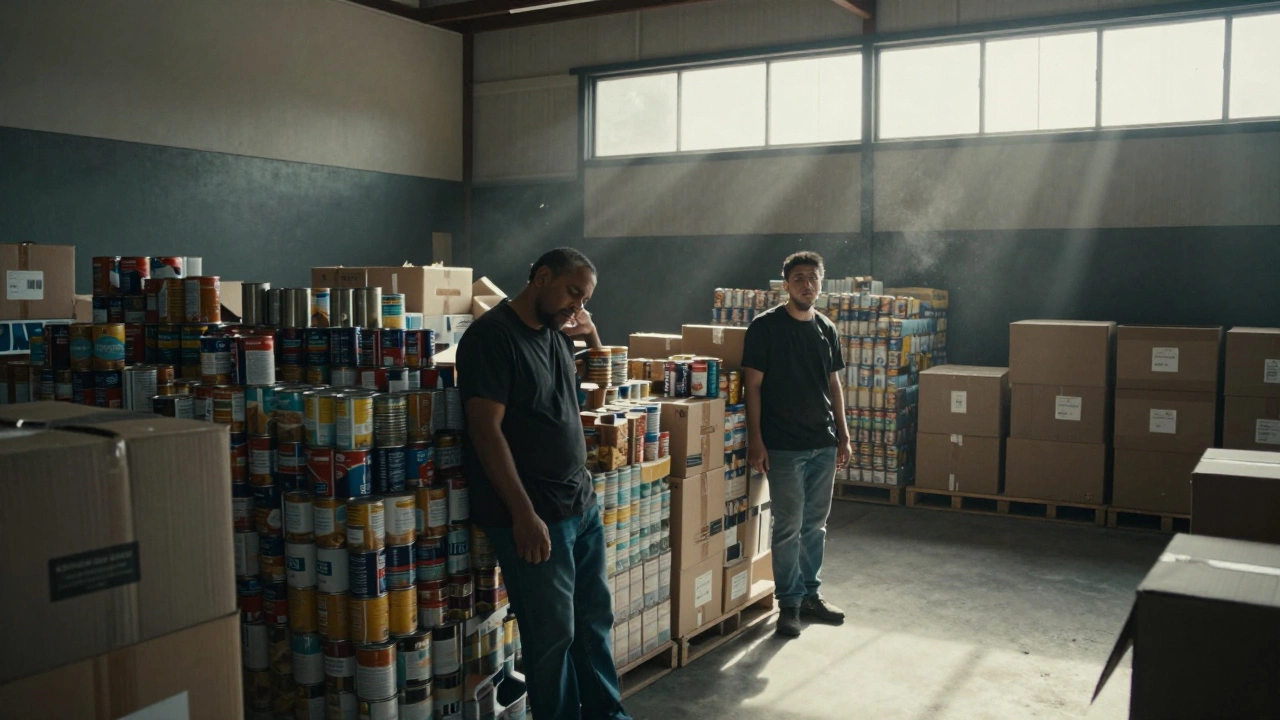
You walk into the local food bank on a Tuesday morning, expecting to see a line of helpers sorting cans and packing boxes. Instead, you find two exhausted staff members doing the work of ten. It’s not just your imagination. Across Wellington and beyond, organizations are reporting a quiet crisis: there simply aren’t enough hands to keep the lights on.
For years, we’ve been told that volunteering is at an all-time high. But look closer at the numbers, and a different story emerges. While more people are signing up for one-off events like beach cleanups or charity runs, the backbone of non-profit work-consistent, long-term commitment-is cracking under pressure. This isn't because people have stopped caring. It's because the way we ask for help has changed, and so has our capacity to give it.
The Myth of the 'Volunteer Boom'
If you read headlines from the early 2020s, you’d think everyone was suddenly ready to serve their community. During the pandemic, yes, there was a surge. People had time, they were anxious, and they wanted to help. But that spike was temporary. Now, in mid-2026, we’re seeing a correction. Many of those who signed up during lockdown have returned to their pre-pandemic routines, which often involve longer working hours and less free time.
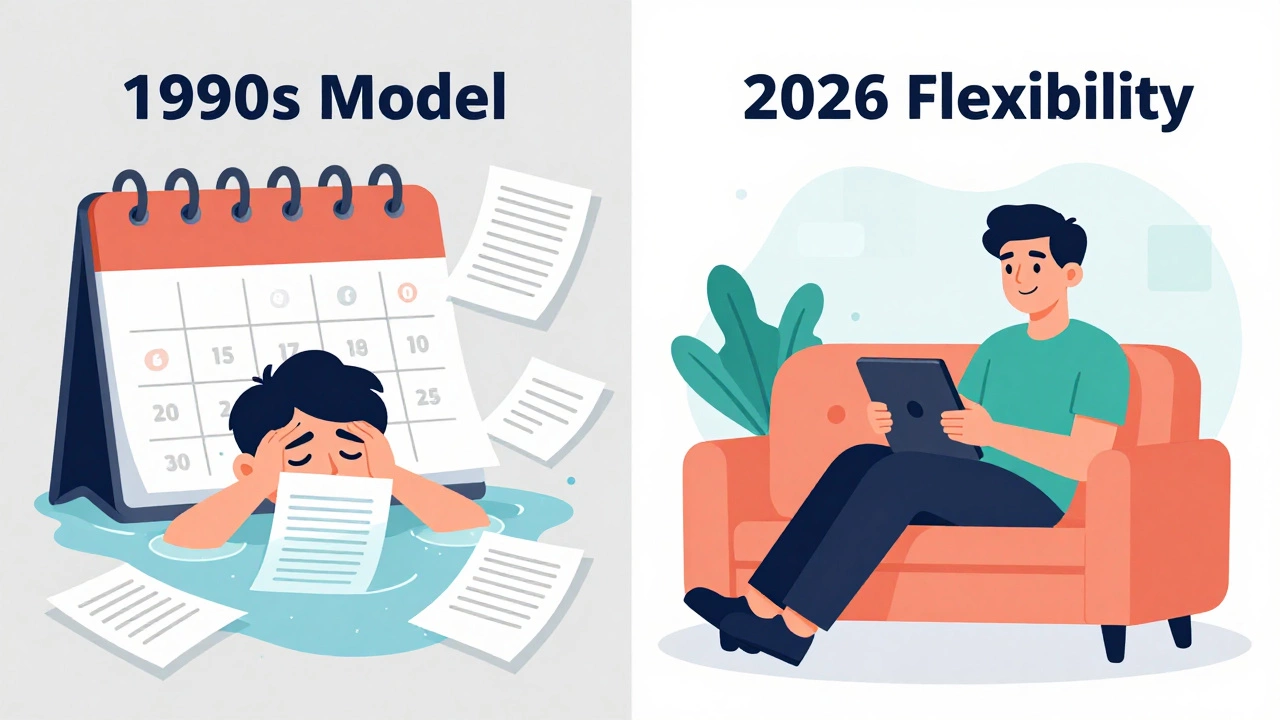
The real issue isn’t a lack of interest; it’s a mismatch between what organizations need and what volunteers can offer. Non-profits often still operate with a model built for the 1990s: asking for three-hour weekly commitments, rigid schedules, and specific skill sets. Meanwhile, modern life is fluid. People want flexibility. They want micro-volunteering opportunities where they can contribute twenty minutes online or show up for a single afternoon without a six-month contract.
When organizations fail to adapt, they don’t just lose volunteers-they lose potential allies. A person might love the mission but hate the logistics. If signing up requires filling out five forms and attending a mandatory orientation meeting at 7 AM on a Saturday, most people will bounce. That friction creates a perceived shortage, even if the willingness to help exists.
Burnout: The Silent Killer of Volunteerism
Let’s talk about exhaustion. We expect unpaid workers to bring the same energy as paid employees, but without the salary, benefits, or job security. This leads to a phenomenon known as volunteer burnout. It happens when the emotional weight of the work outweighs the support provided by the organization.
Consider the case of Sarah, a volunteer at a homeless shelter in Wellington. For two years, she spent her evenings serving meals and listening to stories of trauma. She loved the work. But the shelter didn’t provide counseling for its volunteers, nor did it have enough staff to rotate shifts fairly. After eighteen months, Sarah quit. Not because she didn’t care, but because she was emotionally drained. Her experience is common. When organizations treat volunteers as disposable resources rather than partners, retention rates plummet.
Burnout also stems from poor management. Many non-profits are run by passionate individuals who may lack formal training in human resources or project management. Without clear roles, expectations, and boundaries, volunteers feel overwhelmed. They end up doing administrative grunt work instead of meaningful tasks, leading to disillusionment. If you’re not showing people how their time makes a direct impact, they’ll eventually stop giving it.
Economic Pressures and the Time Poverty Trap
In 2026, the economic landscape continues to shape how we use our free time. Inflation has kept costs high, forcing many households to rely on dual incomes or multiple jobs. When you’re working sixty hours a week to pay rent and buy groceries, volunteering becomes a luxury few can afford.
This "time poverty" hits certain demographics harder than others. Young adults, particularly those in their twenties and thirties, are disproportionately affected. They are entering the workforce during a period of economic uncertainty, facing student debt, and housing crises. They want to make a difference, but their bandwidth is maxed out. Similarly, older volunteers, who traditionally formed the core of non-profit labor, are aging out of active service due to health issues or family caregiving responsibilities.
The result is a gap in the middle. Organizations struggle to find reliable volunteers aged 25-55, the demographic that typically balances career and community engagement. To fill this void, some groups are turning to corporate partnerships, asking companies to sponsor employee volunteer days. While helpful, this approach can feel transactional and doesn’t solve the underlying issue of individual availability.
| Demographic | Availability Level | Primary Barrier | Preferred Volunteering Style |
|---|---|---|---|
| Students (18-24) | Moderate | Academic workload & part-time jobs | Short-term, flexible, remote options |
| Young Professionals (25-39) | Low | Career demands & financial stress | Skill-based, once-a-month commitments |
| Mid-Career (40-59) | Moderate | Family caregiving & work-life balance | Structured, role-specific contributions |
| Retirees (60+) | High (but declining) | Health limitations & mobility | Local, low-physical-effort tasks |
Changing Expectations: Why People Want More Than Just 'Helping Out'
We’ve moved past the era where showing up was enough. Today’s volunteers, especially younger generations, seek purpose, growth, and connection. They want to know how their efforts translate into tangible outcomes. If an organization can’t articulate its impact clearly, volunteers will look elsewhere.
Transparency is key. People want data. They want to see that the money raised actually went to the intended cause, or that the trees planted survived the first year. When organizations hide behind vague mission statements, trust erodes. Conversely, groups that share success stories, metrics, and even failures build stronger loyalty among their volunteers.
Additionally, there’s a growing demand for skill-based volunteering. Professionals no longer want to just stack shelves; they want to use their expertise in marketing, coding, legal advice, or graphic design to help non-profits scale. However, many small charities lack the infrastructure to manage these specialized contributions. They don’t know how to integrate a pro-bono web developer into their workflow, so they stick to traditional manual labor tasks. This mismatch leaves talented volunteers feeling unutilized and frustrated.
How Organizations Can Turn the Tide
Solving the volunteer shortage requires a shift in mindset. Non-profits must stop viewing volunteers as free labor and start treating them as valued stakeholders. Here’s how:
- Offer Flexibility: Create roles that fit around busy lives. Allow remote volunteering, virtual mentoring, or asynchronous tasks like translating documents or designing social media posts.
- Reduce Friction: Simplify the sign-up process. Use digital tools to handle waivers, scheduling, and communication. Make it easy to say yes.
- Provide Support: Invest in volunteer well-being. Offer training, recognition programs, and access to mental health resources. Show appreciation beyond a thank-you card.
- Show Impact: Communicate regularly about results. Share photos, videos, and statistics that demonstrate how volunteer efforts create change.
- Empower Autonomy: Let volunteers take ownership of projects. Give them space to innovate and lead initiatives that align with their passions.
Technology plays a crucial role here. Platforms that match volunteers with causes based on skills and availability can bridge the gap between supply and demand. AI-driven matching systems can suggest opportunities that fit a person’s schedule and interests, increasing engagement rates significantly.

The Role of Community and Connection
At its heart, volunteering is about human connection. In an increasingly digital world, people crave belonging. They want to be part of something bigger than themselves. Organizations that foster a sense of community retain volunteers longer.
Think about the local garden club versus the large international aid agency. The garden club might have fewer resources, but its members know each other by name. They share coffee after planting sessions. They celebrate birthdays. This social glue keeps them coming back. Large organizations often struggle to replicate this intimacy, but it’s possible through smaller team structures and regular social events.
Building relationships takes time, but it pays off. A volunteer who feels connected to their peers and leaders is less likely to quit when things get tough. They become advocates, recruiting friends and family to join the cause. Word-of-mouth remains the most powerful tool for recruitment.
What You Can Do Right Now
If you’re reading this and wondering whether you should volunteer, the answer is yes-but do it smartly. Don’t commit to something that will drain you. Look for opportunities that align with your values, skills, and schedule. Start small. Try a one-day event before signing up for a weekly role. See how it feels.
If you’re already volunteering and feeling burnt out, talk to your coordinator. Ask for lighter duties, more breaks, or a different role. Your well-being matters. Remember, you’re not obligated to stay in a situation that harms your health.
And if you represent an organization, audit your volunteer program. Are you making it hard for people to help? Are you recognizing their contributions? Are you providing adequate support? Small changes can lead to big improvements in retention and satisfaction.
The shortage of volunteers isn’t inevitable. It’s a symptom of outdated practices and unmet needs. By adapting to the realities of modern life, we can rebuild a robust volunteer ecosystem that benefits both communities and individuals. The desire to help is still there-it just needs the right conditions to flourish.
Why are there fewer volunteers now compared to previous decades?
The decline in consistent volunteering is largely due to increased economic pressures, such as higher living costs and longer working hours, which reduce available free time. Additionally, volunteer burnout from poorly managed programs and a mismatch between organizational expectations and volunteer preferences for flexibility have contributed to lower retention rates.
Is volunteering only for retirees anymore?
No, while retirees historically made up a large portion of volunteers, many young adults and professionals are eager to contribute. However, they often require more flexible arrangements, such as remote work or short-term commitments, which many organizations are only beginning to offer.
How can non-profits attract more volunteers in 2026?
Non-profits can attract volunteers by simplifying sign-up processes, offering flexible scheduling, leveraging technology for matching, and demonstrating clear impact. Providing support, training, and recognition also helps retain volunteers by reducing burnout and fostering a sense of community.
What is volunteer burnout, and how does it affect organizations?
Volunteer burnout occurs when individuals become emotionally and physically exhausted from unpaid work without adequate support or recognition. It leads to high turnover rates, loss of institutional knowledge, and increased recruitment costs for organizations, ultimately hindering their ability to achieve their missions.
Can remote volunteering help solve the shortage?
Yes, remote volunteering expands the pool of potential helpers by removing geographical barriers. It allows people with limited mobility or tight schedules to contribute skills like writing, coding, or design from home, making volunteering more accessible and flexible for a wider audience.