Smart Snack Simulator
Select a snack option below to see how it impacts your child's energy stability and focus.
Choose an After-School Snack:
Select a snack to view analysis
Snack Analysis
Impact on Blood Sugar & Focus
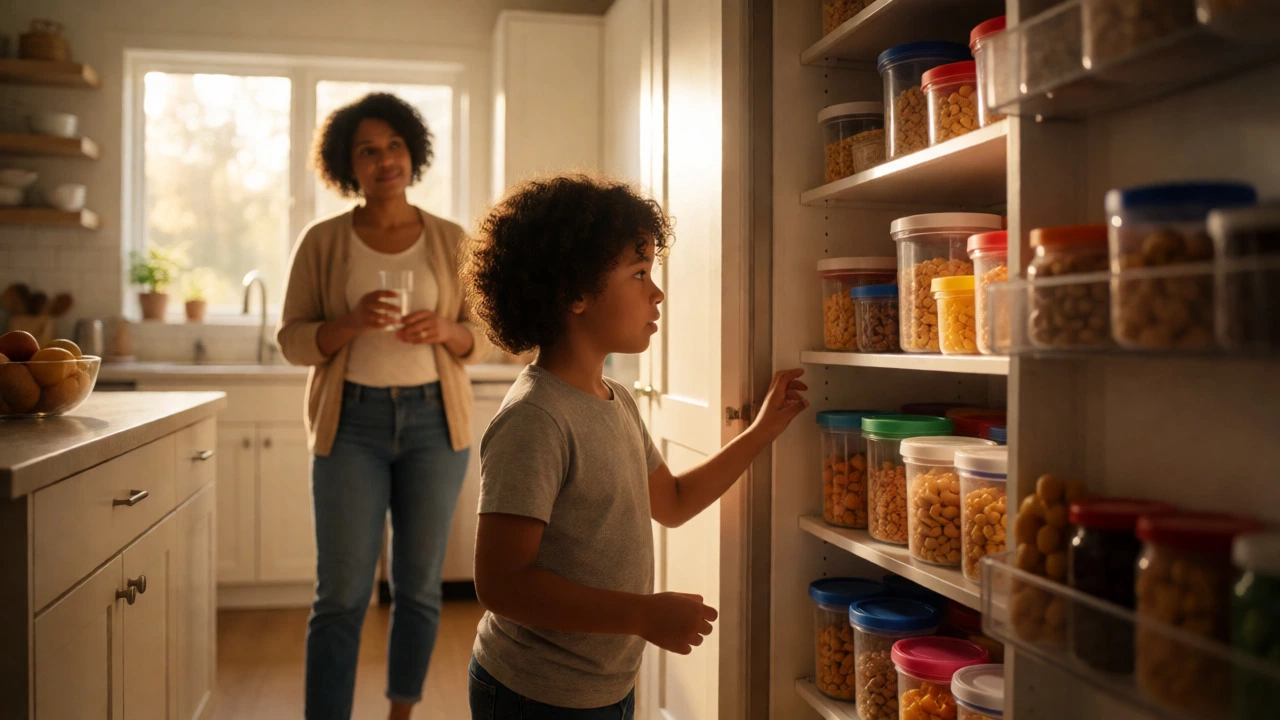
You pick them up at 3:15 PM, and they’re not just tired-they’re ravenous. It’s a scene playing out in kitchens from Wellington to Auckland every single day. One minute your kid is polite; the next, they’re raiding the pantry like it’s an all-you-can-eat buffet. You might think they didn’t eat lunch, or maybe you’re worried they’re developing bad habits. But here’s the twist: that intense after school hunger isn’t usually about lack of discipline. It’s biology doing exactly what it’s supposed to do.
Kids aren’t just small adults. Their bodies are construction sites, constantly building bone, muscle, and brain tissue. When you combine rapid growth with the high-energy demands of a full school day, you get a metabolic furnace that burns fuel fast. Understanding why this happens helps you stop fighting their appetite and start feeding them smarter. Let’s break down the science behind those hangry moments and how to handle them without turning snack time into a battle.
The Blood Sugar Rollercoaster
Think of your child’s energy levels like a phone battery. They wake up fully charged after a night’s sleep and breakfast. By lunchtime, they’ve used up a chunk of that power. If their lunch was mostly simple carbohydrates-white bread, crackers, sugary drinks-their blood sugar spikes quickly and then crashes hard by mid-afternoon. This crash is the primary culprit behind that desperate need for food at 3 PM.
When blood glucose drops, the body screams for quick energy. That’s why kids often crave cookies, chips, or fruit juice immediately upon walking through the door. These foods provide a rapid spike, but because they lack fiber and protein, the energy fades just as quickly, leading to another crash an hour later. It’s a vicious cycle. To break it, you don’t need to ban sweets entirely, but you do need to understand the timing. The gap between school lunch (usually around 12:30 PM) and dinner (often 6:30 PM) is six hours. For a growing child, that’s a long time to run on empty.
Growth Spurts and Metabolic Rates
Child Metabolism operates differently than adult metabolism. Children have higher basal metabolic rates relative to their body weight. Simply put, their cells burn energy faster just to keep them alive and growing. Add in the physical activity of recess, PE classes, and active play, and the caloric demand skyrockets.
Research from organizations like the World Health Organization suggests that children aged 6-12 require significant energy intake to support cognitive function and physical development. During growth spurts, which can happen unpredictably, a child’s appetite can double overnight. If your child suddenly seems insatiable, check their clothes. Are the pants too short? Did their shoes become tight last week? Those are signs of a growth spurt. In these phases, restricting calories can actually hinder development. Their hunger is a signal that their body needs raw materials for construction.
The Brain Uses More Fuel Than You Think
We often focus on physical activity, but mental effort burns calories too. A school day requires intense concentration, memory retention, and emotional regulation. The human brain consumes about 20% of the body’s total energy despite being only 2% of its weight. For kids, whose brains are still developing neural pathways, this demand is even more critical.
If your child has a particularly demanding academic schedule or is stressed about exams, their brain will pull more glucose from the bloodstream. This cognitive drain leaves less fuel for the rest of the body, triggering hunger signals earlier than physical exertion alone would. It’s not "just in their head"-it’s literally in their neurons. Providing a snack that supports brain health, rather than just filling the stomach, can help stabilize mood and focus during homework or extracurricular activities.

Hydration vs. Hunger Confusion
Here’s a sneaky one: thirst often masquerades as hunger. Many schools restrict water bottle access during class, or kids simply forget to drink enough while focused on lessons. By the time they get home, they’re mildly dehydrated. The hypothalamus, the part of the brain that regulates appetite, can confuse dehydration signals with hunger pangs.
Before reaching for the biscuit tin, try offering a large glass of water first. Wait ten minutes. If the hunger persists, feed them. If it vanishes, it was thirst. In New Zealand’s temperate climate, we sometimes underestimate fluid loss, especially if kids are running around outside. Keeping a routine of hydration upon arrival home can reduce unnecessary snacking by up to 30%, according to pediatric nutrition guidelines.
Smart Snacking Strategies
So, what should you actually give them? The goal is sustained energy, not a sugar rush. You want a combination of protein, healthy fats, and complex carbohydrates. This trio slows digestion, keeping blood sugar stable for longer.
| Snack Type | Examples | Energy Duration | Impact on Focus |
|---|---|---|---|
| High Sugar/Low Nutrient | Fruit roll-ups, white bread toast, flavored yogurt | Short (30-45 mins) | Spike then crash, potential irritability |
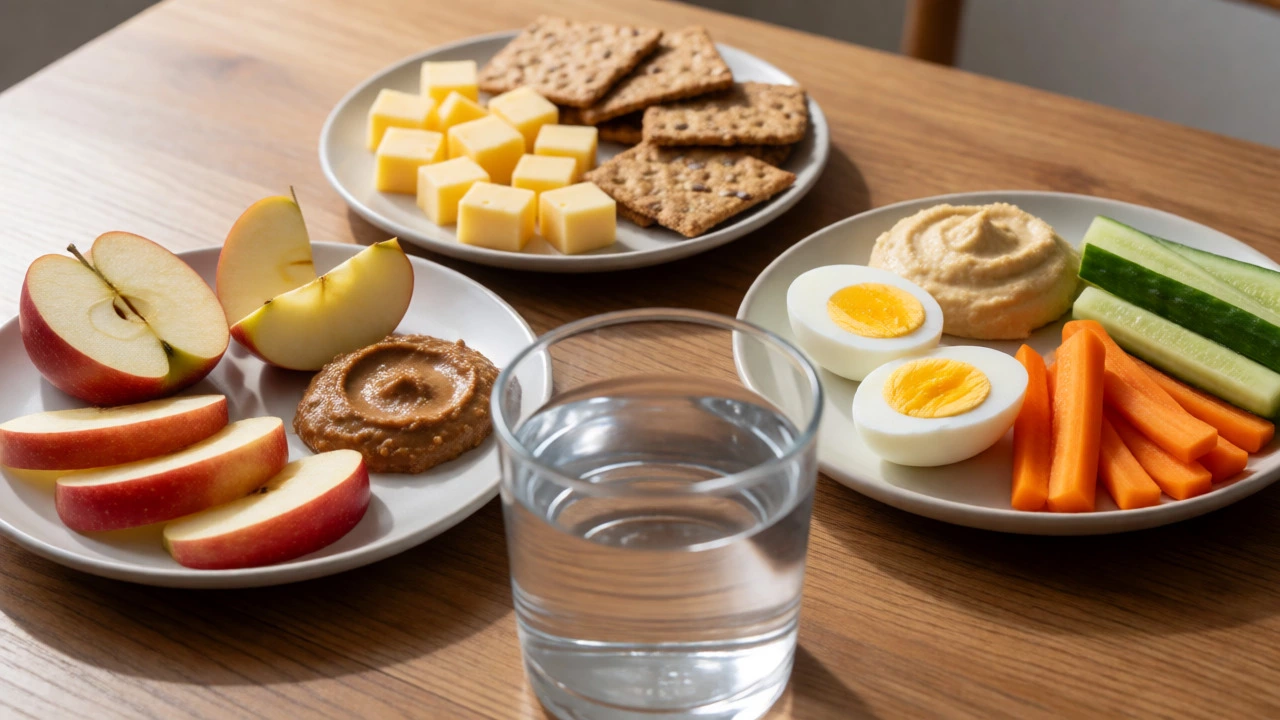
| Balanced Complex Carbs | Apple slices with peanut butter, cheese and wholegrain crackers | Medium (1-2 hours) | Steady energy, good for homework |
| Protein-Rich | Hard-boiled eggs, hummus with veggie sticks, Greek yogurt | Long (2+ hours) | High satiety, prevents pre-dinner overeating |
Notice the pattern? Protein and fat are the heroes here. An apple alone is great, but paired with almond butter, it becomes a complete snack. Cheese cubes are convenient and packed with calcium and protein. Hummus offers plant-based protein and fiber. Avoid highly processed snack bars that list sugar as the second ingredient. Read labels critically. If it looks like candy but claims to be healthy, it probably acts like candy in their bloodstream.
Timing Matters More Than Quantity
Don’t let them graze all afternoon. Constant snacking dulls the appetite for dinner, leading to poor meal quality in the evening. Establish a clear "snack window." Serve a substantial snack within 30-60 minutes of arriving home. Then, wait until dinner.
If you serve a tiny handful of pretzels, they’ll be hungry again in twenty minutes. Instead, offer a proper mini-meal. This satisfies the physiological need without ruining dinner. Some families find success with a "second lunch" approach-packing a slightly larger lunch so the afternoon dip is less severe. Others prefer a robust afternoon snack. Experiment to see what works for your household rhythm.
Emotional Hunger and Routine
Not all hunger is physical. School days are socially and emotionally taxing. Kids use food as a comfort mechanism when they’re stressed, bored, or lonely. If they arrive home frantic and immediately ask for chocolate, pause. Ask them about their day. Sometimes, a hug and a chat reduce the urge to eat more effectively than a cookie.
Create a calm transition zone. Before snacks, spend five minutes decompressing. Change out of school uniforms, wash hands, and talk. This breaks the automatic link between entering the house and eating. It teaches them to distinguish between physical emptiness and emotional stress.
Is it normal for my child to eat twice as much as usual?
Yes, especially during growth spurts or periods of increased physical activity. If your child is growing rapidly, their caloric needs increase significantly. Monitor their weight and height trends; if they are staying within a healthy percentile, increased appetite is likely normal biological adaptation.
Should I limit snacks if my child is overweight?
Focus on quality, not just quantity. Replacing high-sugar snacks with nutrient-dense options like fruits, vegetables, and lean proteins can satisfy hunger without excessive calories. Consult a pediatrician before making drastic dietary changes, as children still need adequate energy for development.
How does screen time affect after-school hunger?
Screen time can lead to mindless eating. When kids watch TV or play games while snacking, they miss satiety cues and consume more calories than needed. Try to keep screens off during snack time to encourage mindful eating and better digestion.
What are some quick, no-prep snack ideas?
Keep easy options stocked: string cheese, boiled eggs (prepped on weekends), banana with nut butter, cottage cheese with pineapple, or homemade trail mix with nuts and seeds. These require zero cooking and provide balanced nutrition instantly.
Can skipping breakfast cause worse afternoon hunger?
Absolutely. Skipping breakfast leads to lower blood sugar levels by mid-morning, causing the body to store more fat later and increasing cravings for high-calorie foods in the afternoon. A protein-rich breakfast stabilizes energy levels throughout the day.