Homelessness Location & Visibility Estimator
Explore how location type and local resources change who we see (and don't see) experiencing homelessness.
Insight for this Scenario:
How to Help Here:
You might picture a homeless person sleeping on a park bench in your local city center. It’s a common image, reinforced by movies and news clips. But here is the twist: the vast majority of people experiencing homelessness do not live on the streets. They are invisible to passersby because they are couch-surfing, staying in cars, or hidden within the cracks of the housing market. When we ask where do most homeless live, the answer shifts dramatically depending on whether you count only those without any shelter or everyone lacking stable housing.
This distinction matters. If you are looking to volunteer, donate, or advocate for policy changes, knowing where people actually sleep determines where help is needed most. Is it the emergency shelter downtown? The motel off the highway? Or the crowded apartment of a relative who can barely afford rent themselves? Let’s break down the reality of modern homelessness locations, moving beyond the stereotypes to see the actual geography of housing instability.
The Myth of the Visible Homeless Population
Most people equate homelessness with "rough sleeping"-that is, sleeping outside in tents, under bridges, or in doorways. In major cities like Los Angeles or New York, this visible population grabs headlines. However, data consistently shows that unsheltered individuals make up a minority of the total homeless population in most developed nations. According to recent U.S. Department of Housing and Urban Development (HUD) reports, roughly two-thirds of people experiencing homelessness are in some form of shelter or transitional housing at any given time. The remaining third are unsheltered.
But even this statistic misses the largest group: the "doubled-up." These are individuals and families who have lost their own homes but are temporarily staying with friends or family members. They don’t appear in official shelter counts because they aren’t in a facility. They are technically homeless by federal definitions in many countries because their living situation is unstable and temporary. So, if you walk through a suburban neighborhood, you are likely passing dozens of households where someone is crashing on a friend’s couch, wondering when they’ll be asked to leave.
Urban Centers vs. Rural Reality
It is no surprise that cities have higher rates of homelessness. High costs of living, expensive rents, and a concentration of social services draw people toward urban areas. Cities like San Francisco, Seattle, and London report some of the highest per-capita numbers of homeless residents. But rural homelessness presents a different challenge. It is often called "hidden homelessness" because there are fewer visible encampments and fewer shelters.
| Feature | Major Urban Areas | Rural/Suburban Areas |
|---|---|---|
| Visibility | High; frequent encampments and street presence | Low; often doubled-up or in vehicles |
| Shelter Availability | Higher density of beds and services | Scarce; long distances between resources |
| Primary Cause | High rent-to-income ratio, job loss | Lack of affordable housing stock, transportation barriers |
| Demographics | Mixed; includes high percentage of single adults | Often families fleeing domestic violence or economic shifts |
In rural areas, the lack of public transportation means a person might drive hours to reach a food bank or a clinic. Because there are fewer shelters, families often flee domestic violence situations only to find themselves living in cars or motels paid for by short-term aid. This geographic dispersion makes it harder for community outreach programs to connect with those in need. You won’t see a tent city, but you might see more cars parked overnight in Walmart lots or rest areas, which has led to increased scrutiny and enforcement in small towns.
The Rise of Emergency Shelters and Transitional Housing
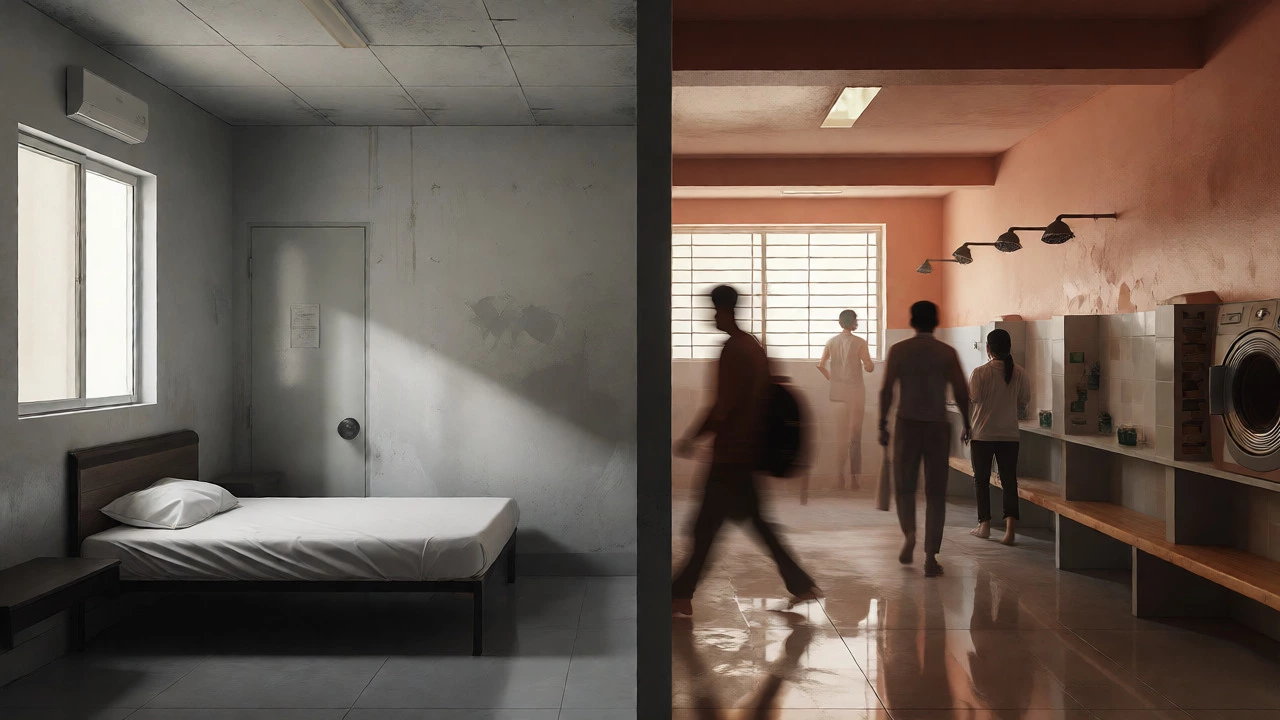
For those who do access formal support, Emergency Shelters remain the primary location for survival during harsh weather or immediate crisis. These facilities provide a bed, meals, and basic safety. However, the model of sheltering has changed over the last decade. Traditional congregate shelters-large dormitories with rows of cots-are increasingly being replaced by smaller, more private models. Why? Because large shelters can feel unsafe, especially for women, LGBTQ+ youth, and survivors of trauma.
Transitional housing sits somewhere between a shelter and permanent home. It typically offers an apartment-style unit for 12 to 24 months, paired with case management to help residents secure jobs and save money. This is where many families spend their time after leaving a shelter. It is a critical bridge, but it is not permanent. If the job doesn’t come through or the rent increases again, the cycle restarts.
Vehicles as Homes: A Growing Trend
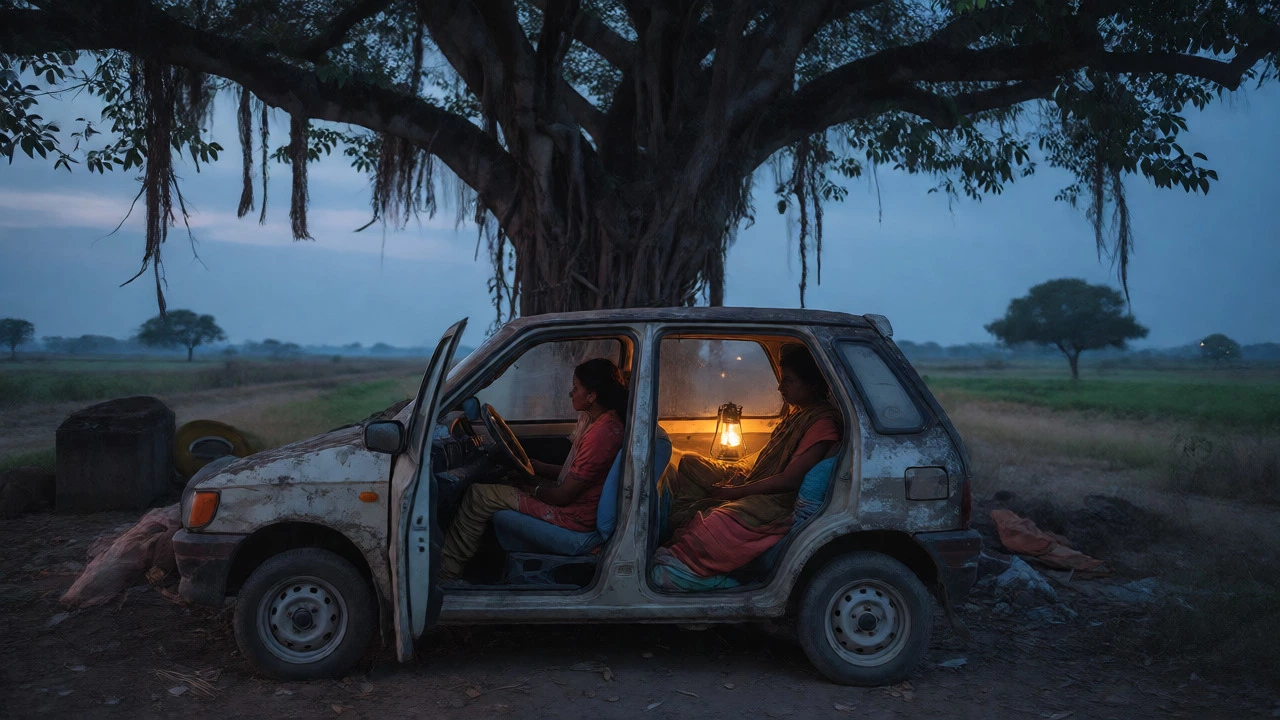
One of the fastest-growing categories of "housing" for the homeless is the vehicle. In places like California, Oregon, and parts of Australia, living in a car, van, or RV has become a viable, albeit precarious, alternative to street camping. For many, a vehicle offers privacy, mobility, and security that a shelter cannot. You can lock the doors. You can keep your belongings safe. You can move if the area becomes unsafe or if police enforce anti-camping laws.
This trend complicates the question of where homeless people live. Are they "unsheltered" if they are inside a locked car? Technically, yes, in many statistical frameworks, because a car is not considered adequate permanent housing. But physically, they are protected from the elements. This has led to new challenges for municipalities: where do these vehicles park? Many cities have responded with restrictive parking ordinances, pushing car-dwellers further to the margins of the city, away from services and employment opportunities.
The Role of Motels and Short-Term Stays
When shelters fill up, or when families need immediate separation from a dangerous situation, governments and charities often pay for motel rooms. This is known as "rapid re-housing" or emergency placement. While it sounds comfortable compared to a cot in a gymnasium, motel stays are often isolating. There are no communal spaces, no staff on-site to offer support, and limited cooking facilities. Residents rely on external services, which requires transportation they may not have.
Moreover, motel stays are expensive. A night in a budget motel can cost $80-$150 USD (or equivalent in other currencies), whereas a shelter bed might cost $20-$30 to operate. Because of this cost disparity, agencies try to move people out of motels quickly. But if permanent housing isn’t available, people bounce back into shelters or the streets. This highlights a critical gap: having a place to sleep tonight does not solve the problem of where to live next month.
Global Variations: It’s Not Just a Western Problem
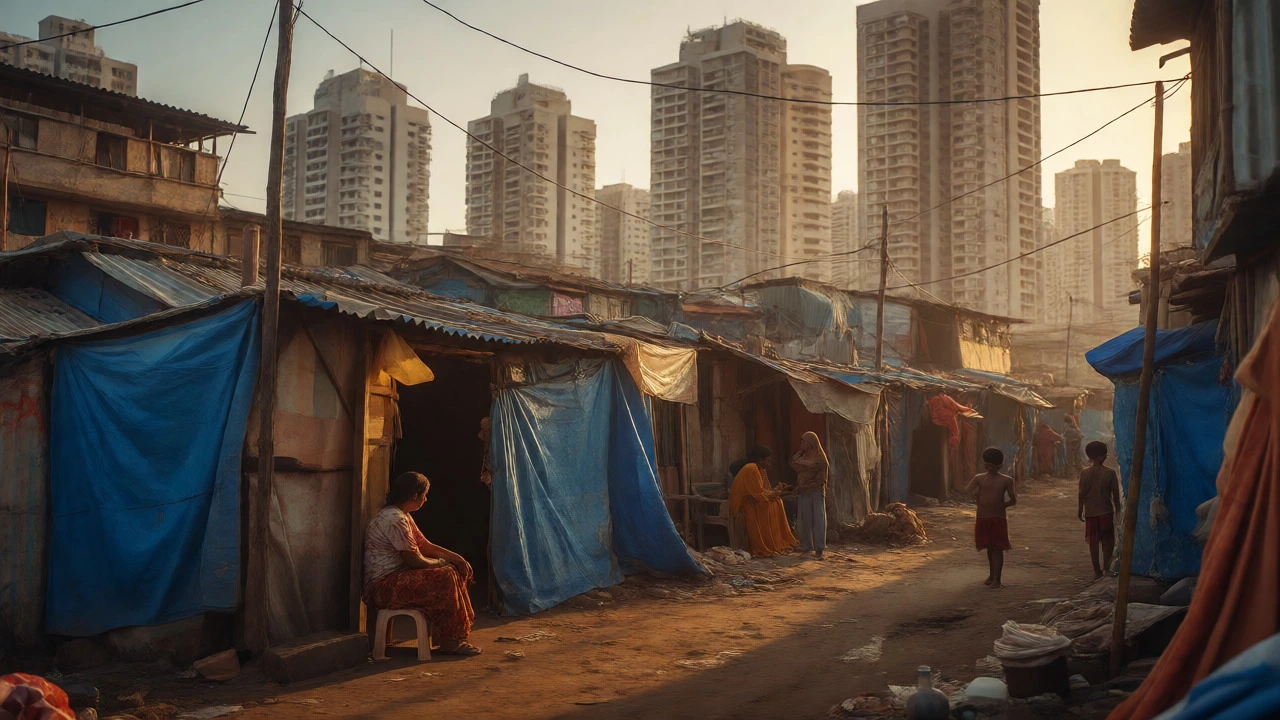
While much of our discussion focuses on North America and Europe, the global picture varies. In many developing nations, homelessness is less about "shelter systems" and more about informal settlements. In cities like Mumbai, Nairobi, or Jakarta, "homeless" often refers to those living in slums or squatter settlements rather than rough sleepers. These communities have established social structures and makeshift housing, differing vastly from the transient nature of Western street homelessness.
In contrast, countries like Japan have very low rates of visible street homelessness despite high urban density. This is due to a combination of cultural factors, strong family networks, and specific labor practices that absorb vulnerable workers into daily-wage industries with provided accommodation. However, this doesn’t mean poverty is absent; it is just housed differently, often in cramped net cafes or capsule hotels, blurring the line between "homeless" and "precariously housed."
How to Find Help or Offer Support Where You Are
If you want to help, don’t just look for the obvious. Here is how to engage effectively based on where people actually live:
- Support Day Centers: Since many people are working or seeking work, day centers provide showers, laundry, mail services, and internet access. They are crucial hubs for those who might sleep in cars or doubled-up situations.
- Donate Specific Items: Car dwellers need storage bins, power banks, and reflective vests. Families in motels need kitchen supplies and toiletries. Ask local shelters what they currently lack.
- Advocate for Zoning Changes: Much of the invisibility of rural homelessness stems from zoning laws that ban multi-family units. Supporting affordable housing projects helps create the permanent homes people eventually need.
- Listen Before Assuming: If you meet someone on the street, remember they might have been in a shelter yesterday and will be in a motel tomorrow. Their current location doesn’t define their entire history or future.
Understanding where homeless people live is the first step toward addressing the root causes. It moves us from charity based on pity to action based on logistics. We stop asking "Why are they on the street?" and start asking "Why can’t they get into a house?" The answer usually lies in the gap between wages and rent, a gap that widens every year in major metropolitan areas worldwide.
What percentage of homeless people are actually on the streets?
In the United States, approximately one-third of the homeless population is unsheltered (on the streets, in parks, or in abandoned buildings). The remaining two-thirds are in emergency shelters, transitional housing, or motel placements. However, this does not include the "doubled-up" population, who are also considered homeless by federal standards but live with others.
Why is rural homelessness harder to spot?
Rural homelessness lacks the dense infrastructure of shelters and soup kitchens found in cities. People often stay in cars, campgrounds, or with relatives to avoid stigma. Additionally, lower population density means fewer people encounter them daily, creating an illusion that homelessness doesn't exist in small towns.
Do homeless people stay in the same city forever?
Not necessarily. Many people move frequently due to seasonal work, evictions, or the search for better services. Some migrate to warmer climates in winter (like Florida or Arizona in the US) and return north in summer. Others move closer to family support networks when possible.
What is "doubled-up" homelessness?
Doubled-up refers to sharing housing with others due to economic hardship, disaster, or fleeing violence. It is a temporary arrangement. These individuals are counted as homeless in surveys because their housing is unstable and overcrowded, but they do not use shelters.
Which country has the lowest visible homelessness rate?
Japan and South Korea often report extremely low rates of visible street homelessness. This is attributed to strong social cohesion, family responsibility norms, and labor markets that provide employer-provided housing for low-wage workers, though critics argue this hides underlying poverty issues.