
Nonprofit Activity & Fundraising Calculator
Calculate the net impact of a nonprofit activity and check compliance ratios based on program vs. support services.
You’ve probably seen the flyers for the annual 5K run or heard about the gala dinner at the local hotel. These are classic examples of what people often call nonprofit activity. But if you stop to think about it, the term covers much more than just parties and races. It encompasses everything from the quiet work of grant writing in an office to the loud, chaotic energy of a street festival aimed at raising awareness.
Understanding what actually counts as a nonprofit activity is crucial for anyone involved in the sector-whether you’re a board member trying to stay compliant with tax laws, a volunteer wondering where your time goes, or a donor wanting to know how your money creates change. The line between a business transaction and a mission-driven effort can sometimes blur, but the core difference lies in intent and distribution of profits.
The Core Definition: Mission Over Money
At its simplest, a nonprofit activity is any action taken by an organization that is structured to serve a public or mutual benefit rather than to generate profit for owners or shareholders. This definition comes straight from the Internal Revenue Service (IRS) guidelines in the United States, which define these organizations under Section 501(c)(3) of the tax code. However, the concept exists globally under various legal frameworks.
The key attribute here is "non-distribution." In a for-profit business, revenue minus expenses equals profit, which goes to the owners. In a nonprofit, revenue minus expenses equals surplus, which must be reinvested into the mission. If a nonprofit sells t-shirts to fund its shelter programs, that sale is a nonprofit activity because the goal isn't to enrich the CEO but to keep the lights on at the shelter.
This distinction matters because it dictates how the organization operates. Every decision, from hiring staff to choosing vendors, must align with the stated mission. If a wildlife conservation group starts selling luxury real estate to boost its bank account, that activity likely falls outside the scope of its nonprofit purpose and could jeopardize its tax-exempt status.
Programmatic Activities vs. Support Services
To really understand how nonprofits function, we need to split their activities into two main buckets: program services and support services. This breakdown is essential for transparency and reporting.
Program services are the direct actions that fulfill the organization's mission. If you run a literacy nonprofit, your program service is teaching adults to read. If you run an animal rescue, your program service is providing veterinary care and adoption services. These are the heartbeats of the organization. They are the reasons the nonprofit exists in the first place.
Support services, on the other hand, are the behind-the-scenes efforts that keep the programs running. This includes fundraising, management, and general administrative tasks. While they don’t directly teach someone to read or heal an animal, they enable those things to happen. Without support services, the program services would collapse. Think of it like a theater production: the actors on stage are the program services, while the lighting crew, ticket sellers, and stage managers are the support services.
A common pitfall for new nonprofits is spending too much on support services relative to program services. Donors often look at this ratio. If 80% of your budget goes to administration and only 20% to the actual mission, you’ll struggle to raise funds. The goal is to balance efficiency with effectiveness.
Charity Events: A Subset of Nonprofit Activity
When people ask about nonprofit activities, they are often thinking specifically about charity events. These are organized gatherings designed to raise money, awareness, or volunteers for a cause. They are a vital subset of nonprofit activity, particularly within the realm of fundraising.
Charity events range from small community bake sales to massive galas with celebrity guests. Each type serves a different strategic purpose:
- Fundraising Galas: High-ticket items aimed at major donors. These events focus on networking and securing large donations.
- Community Runs/Walks: Mass-participation events that build brand awareness and engage the broader public. Participants often pay a registration fee and seek sponsorship from friends and family.
- Silent Auctions: Often part of larger events, these allow donors to give goods or services instead of cash, which the nonprofit then auctions off.
- Awareness Campaigns: Events like wearing pink for breast cancer month. These may not raise direct funds but build the social capital necessary for future fundraising.
While exciting, charity events come with risks. They require significant upfront investment in venue costs, marketing, and staffing. If the event doesn’t break even, it can drain resources meant for program services. Successful nonprofits treat events as businesses within a business-they calculate the net return carefully before committing.

Fundraising Methods Beyond Events
Events are just one tool in the toolbox. Nonprofit activity also includes a wide array of fundraising methods that happen quietly, often online or through direct mail. Understanding these helps paint a complete picture of how nonprofits sustain themselves.
Grant Writing is perhaps the most formalized nonprofit activity. Staff members spend hours researching foundations, government agencies, and corporate sponsors to write proposals that detail how funds will be used. This requires deep knowledge of the nonprofit’s impact metrics and future goals. A successful grant can provide years of stability, allowing the organization to plan long-term initiatives.
Individual Giving involves soliciting donations from private citizens. This can be done through monthly giving programs, where donors commit to a small recurring amount, or through major gift campaigns targeting high-net-worth individuals. Personal relationships are key here; donors want to feel connected to the cause.
Earned Income is another growing area. Some nonprofits operate cafes, bookstores, or training centers that charge fees. As long as the income supports the mission, this is a valid nonprofit activity. For example, a job training nonprofit might run a coffee shop where participants learn barista skills. The revenue from coffee sales funds the training program.
| Activity Type | Primary Goal | Cost Level | Time Commitment |
|---|---|---|---|
| Charity Gala | Major Donor Engagement | High | Months of planning |
| Grant Writing | Institutional Funding | Low (Staff Time) | Ongoing process |
| Community Run | Awareness & Small Donations | Medium | Weeks of coordination |
| Earned Income (e.g., Cafe) | Sustainable Revenue | Variable | Daily operations |
Volunteer Management: The Human Engine
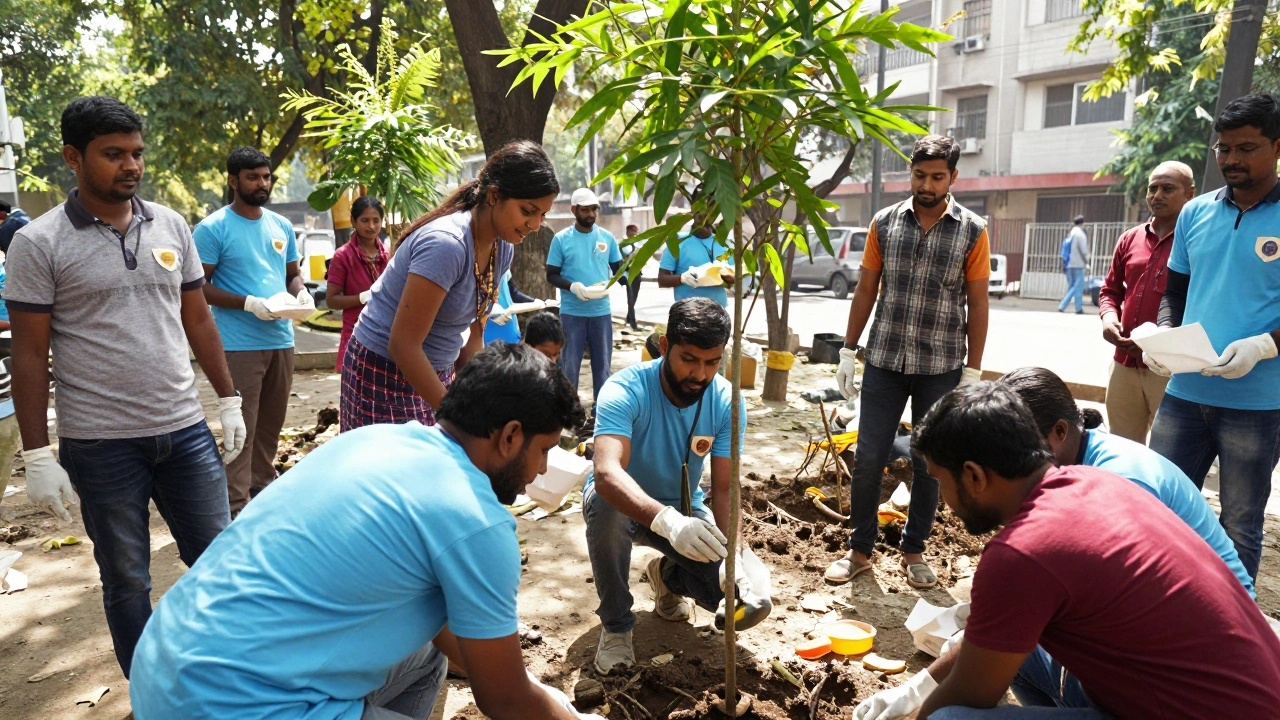
No discussion of nonprofit activity is complete without mentioning volunteers. They are the lifeblood of many organizations, providing labor that would otherwise cost thousands of dollars. Managing volunteers is a distinct nonprofit activity that requires specific skills in recruitment, training, and retention.
Effective volunteer management isn’t just about assigning tasks. It’s about creating a culture of engagement. Volunteers need to feel valued and see the impact of their work. This involves clear communication, regular feedback, and recognition. Poorly managed volunteers can become a liability, causing confusion and inefficiency. Well-managed volunteers become ambassadors for the cause, spreading the word to their networks.
Consider a food bank. The act of sorting cans is a program service, but recruiting the people to sort them is a volunteer management activity. Both are essential. Without the volunteers, the food bank cannot operate efficiently. Without the management structure, the volunteers burn out quickly.
Advocacy and Public Policy
Many nonprofits engage in advocacy, which is the act of influencing public opinion and policy to support their mission. This is a powerful form of nonprofit activity that aims for systemic change rather than just treating symptoms.
For instance, an environmental nonprofit might clean up a beach (program service) but also lobby for stricter pollution laws (advocacy). Advocacy activities include drafting policy briefs, meeting with legislators, and organizing public demonstrations. It’s important to note that while 501(c)(3) organizations can engage in some advocacy, they cannot endorse political candidates. Staying within these legal boundaries is a critical part of nonprofit compliance.
Compliance and Governance
Behind every visible activity is a layer of governance. Board meetings, financial audits, and annual filings are non-negotiable nonprofit activities. They ensure accountability and trust.
The board of directors provides oversight, setting strategic direction and ensuring the executive leadership stays on track. Regular board meetings involve reviewing financial statements, discussing program outcomes, and planning for the future. Financial audits, conducted by independent third parties, verify that funds are being used appropriately. Annual reports, filed with state governments and the IRS, disclose the organization’s finances and activities to the public.
Neglecting these activities can lead to severe consequences, including loss of tax-exempt status, fines, and reputational damage. Transparency is the currency of the nonprofit world. Donors and beneficiaries trust organizations that are open about their operations.
Measuring Impact: The Ultimate Goal
All nonprofit activities ultimately aim to create impact. But how do you measure it? Impact measurement is the process of evaluating whether your activities are achieving your mission. It involves collecting data, analyzing results, and adjusting strategies accordingly.
For a literacy nonprofit, impact might be measured by the number of students who improve their reading levels. For an environmental group, it might be the reduction in carbon emissions in a specific region. Effective impact measurement requires clear goals and reliable metrics. It’s not enough to say you helped people; you need to show how and to what extent.
This data drives future decisions. If a particular program isn’t showing results, the nonprofit can pivot or discontinue it. If a fundraising event is highly effective, they can invest more in it. Continuous improvement is a hallmark of successful nonprofit activity.
Is a charity event the same as a nonprofit activity?
No, a charity event is just one type of nonprofit activity. Nonprofit activity is a broad term that includes all actions taken by a nonprofit, such as program delivery, fundraising, volunteer management, and governance. Charity events fall under the fundraising category.
Can a nonprofit make money from its activities?
Yes, but the profit cannot be distributed to owners or shareholders. Any surplus revenue must be reinvested into the organization’s mission. This is known as the non-distribution constraint.
What is the difference between program services and support services?
Program services are the direct activities that fulfill the nonprofit’s mission, such as teaching or providing healthcare. Support services are the administrative tasks that enable those programs, such as fundraising, accounting, and human resources.
Why is compliance important for nonprofits?
Compliance ensures that the nonprofit maintains its tax-exempt status and retains public trust. Failure to comply with regulations can result in fines, loss of status, and damage to reputation, making it harder to raise funds.
How do nonprofits measure their success?
Nonprofits measure success through impact assessment, which involves tracking specific metrics related to their mission. This could include the number of people served, improvements in health or education outcomes, or changes in policy. Data-driven evaluation helps nonprofits refine their strategies.