
Environmental Group Impact Evaluator
Organization Details
Enter details and click calculate to see the impact score.
Impact Assessment
...
Recommendation:
...
It’s easy to feel small when looking at the scale of environmental damage. Glaciers are melting, forests are burning, and plastic waste is choking our oceans. You might wonder if any single organization can actually make a dent in these massive problems. The short answer is yes, but not by doing just one thing. Environmental groups are non-profit organizations dedicated to protecting the natural world through advocacy, conservation, education, and direct action. They operate like a multi-tool, using different approaches depending on the crisis at hand.
From suing governments for failing to protect biodiversity to planting millions of trees in degraded landscapes, these organizations play a critical role in shaping our future. But what exactly do they do day-to-day? And how can you tell which ones are making a real difference versus those that are just talking?
The Power of Policy and Legal Advocacy
One of the most effective things environmental groups do is change the rules of the game. Laws and regulations set the baseline for how industries operate. Without strict laws, companies often cut corners to save money, leading to pollution and habitat destruction. Groups like Friends of the Earth or local equivalents spend countless hours researching, drafting proposals, and lobbying politicians.
This isn’t just about writing letters. It involves complex legal battles. For example, many groups now use litigation to hold corporations accountable for carbon emissions. In recent years, courts in several countries have ruled that governments must accelerate their climate targets based on scientific evidence provided by these NGOs. This legal pressure forces immediate action where political will might be slow to develop.
- Drafting legislation: Providing technical expertise to lawmakers who may lack environmental science backgrounds.
- Lobbying: Meeting with officials to push for stricter emissions standards or protected land designations.
- Litigation: Suing polluters or governments for violating environmental laws or constitutional rights to a healthy environment.
When you see a new law banning single-use plastics or expanding a national park, it’s likely because an environmental group spent years fighting for it behind the scenes.
Direct Conservation and Restoration
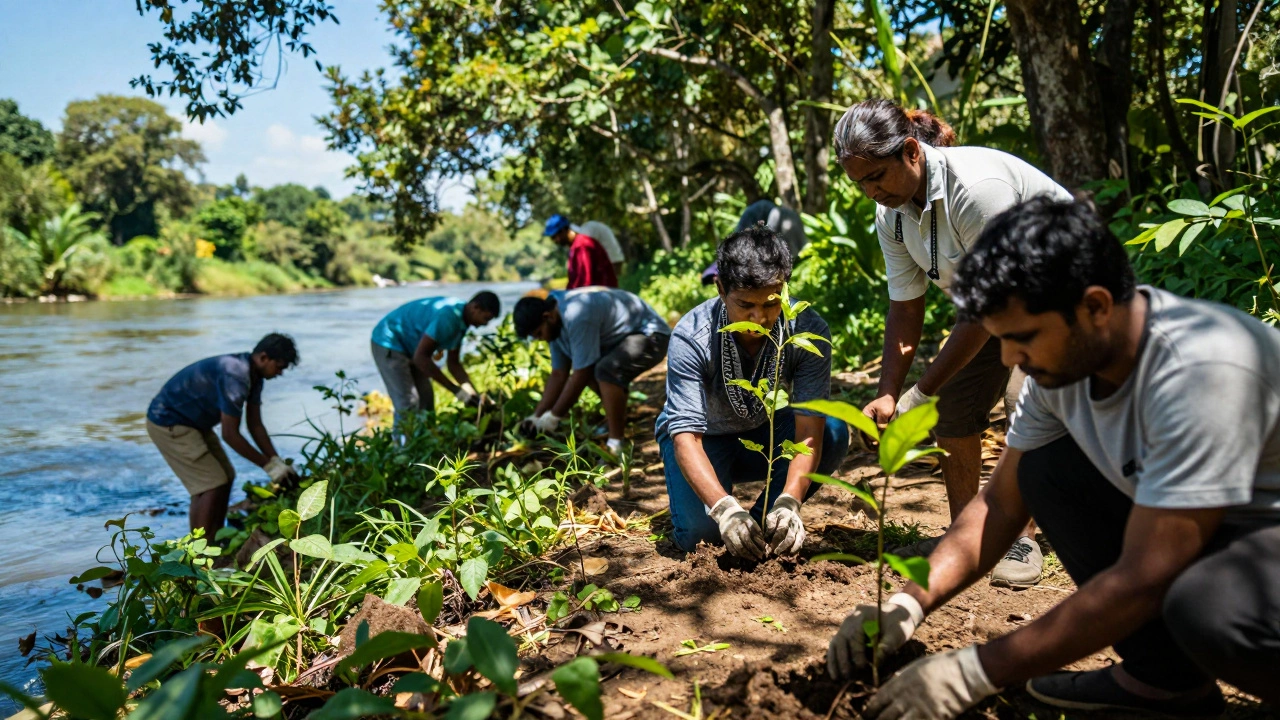
While policy changes the system, direct action fixes the damage on the ground. Many groups focus on hands-on work: restoring wetlands, replanting forests, and cleaning up rivers. Organizations like The Nature Conservancy own and manage large tracts of land to ensure they remain wild and free from development.
Restoration ecology is a growing field. It’s not enough to just stop cutting down trees; we need to rebuild ecosystems that were destroyed decades ago. This involves soil remediation, reintroducing native plant species, and managing invasive pests. These projects often require specialized knowledge in biology and ecology. Volunteers and professionals work together to monitor progress, ensuring that the restored areas actually support wildlife.
In urban areas, this might look like creating green roofs or community gardens. In rural areas, it could mean rewilding farmland to bring back bees and birds. The impact is tangible: cleaner air, better water quality, and increased biodiversity.
| Strategy Type | Primary Goal | Timeframe for Impact | Key Skills Required |
|---|---|---|---|
| Policy Advocacy | Change laws and regulations | Long-term (5-10+ years) | Research, negotiation, legal expertise |
| Direct Conservation | Protect and restore habitats | Medium-term (1-5 years) | Biology, project management, physical labor |
| Public Education | Shift consumer behavior | Short to Medium-term | Communication, marketing, curriculum design |
| Corporate Engagement | Reduce industrial footprint | Medium-term (3-7 years) | Data analysis, stakeholder mapping |
Educating the Public and Shifting Culture
Laws don’t enforce themselves, and nature doesn’t heal overnight. Cultural change is essential. Environmental groups run educational programs to help people understand their connection to the planet. This ranges from school workshops teaching kids about composting to online campaigns explaining the benefits of renewable energy.
Education builds public support, which in turn pressures politicians to act. When more people care about saving bees, for instance, policymakers are more likely to ban harmful pesticides. Groups also focus on destigmatizing certain behaviors, like eating less meat or using public transport, by framing them as positive choices rather than sacrifices.
In places like Wellington, local groups often organize beach cleanups or tree-planting days. These events serve dual purposes: they improve the environment immediately and connect participants with their community. That sense of belonging is powerful. People who volunteer for environmental causes are statistically more likely to vote for pro-environment policies.
Engaging Corporations and Supply Chains
You can’t ignore business. Companies drive much of the economic activity that impacts the environment. Rather than just protesting outside factories, many modern environmental groups engage directly with corporations. They analyze supply chains, identify hotspots of deforestation or pollution, and work with companies to fix them.
This approach, known as collaborative engagement, has led to significant wins. For example, major fashion brands have committed to using recycled materials after being pressured by transparency reports from NGOs. Similarly, tech companies are increasingly adopting renewable energy sources for their data centers due to advocacy from groups focused on corporate sustainability.
However, this strategy requires careful scrutiny. Critics argue that engaging with big business can lead to “greenwashing,” where companies make superficial changes while continuing harmful practices. Effective groups maintain independence and verify claims through third-party audits.

How to Identify High-Impact Groups
Not all environmental groups are created equal. Some are highly efficient, while others struggle with bureaucracy or lack transparency. If you’re looking to support or join a cause, here’s how to evaluate them:
- Check their track record: Have they achieved measurable results? Look for specific outcomes, like acres of land protected or tons of CO2 reduced.
- Review financial transparency: Reputable groups publish annual reports showing how donations are spent. A high percentage should go directly to programs, not administrative overhead.
- Assess their methods: Do they rely solely on awareness campaigns, or do they take concrete actions? The most impactful groups combine multiple strategies.
- Look for local relevance: Global issues need global solutions, but local problems often require local answers. A group active in your region can address specific concerns like water quality or urban heat islands.
For instance, if you live near a coast, supporting a group that monitors marine pollution might be more meaningful than joining a generalist organization. Local knowledge allows for faster response times and deeper community integration.
Challenges Facing Environmental Groups Today
Despite their successes, these organizations face significant hurdles. Funding is always a concern. Donors sometimes prioritize flashy campaigns over long-term, unglamorous work like monitoring endangered species. Additionally, political polarization can make it difficult to build broad coalitions.
Burnout is another issue. Staff and volunteers deal with constant crises, which can lead to emotional exhaustion. Sustainable movements need to prioritize mental health and self-care among their members. Finally, misinformation spreads quickly online, undermining scientific consensus. Groups must invest heavily in clear, accessible communication to counter false narratives.
Can small local environmental groups really make a difference?
Absolutely. Local groups often have deep community ties and can respond quickly to emerging issues. They frequently pilot innovative solutions that larger organizations later adopt globally. Their grassroots influence also shapes local politics, creating a ripple effect.
What is the most effective way to support an environmental group?
Consistent monthly donations provide stable funding for long-term projects. Volunteering your time and skills adds immense value. Additionally, amplifying their message on social media helps raise awareness and attract new supporters.
How do environmental groups measure success?
Success metrics vary by goal. Conservation groups track species population recovery and habitat area. Policy groups count legislative victories and regulatory changes. Education groups measure participant engagement and behavioral shifts. Transparent reporting is key.
Is protesting still relevant for environmental groups?
Yes, but it’s part of a broader toolkit. Protests raise visibility and signal urgency, forcing decision-makers to pay attention. However, lasting change usually requires combining protests with policy advocacy, legal action, and constructive dialogue.
How can I start my own environmental initiative?
Start small by identifying a specific local issue you care about. Gather a team of like-minded individuals, research existing solutions, and plan actionable steps. Partner with established groups for mentorship and resources to increase your chances of success.