Donation Impact Checker
Select an item you are considering donating or giving directly to see if it is helpful, harmful, or needs caution.
Why this matters
Better Alternative:
You spot someone sleeping on a bench. You feel that familiar tug in your chest. You want to help, so you hand them the leftover sandwich from lunch or a pair of old jeans you didn't wear last season. It feels good, right? But here is the uncomfortable truth: sometimes, our "help" creates more problems than it solves. Giving blindly can clutter their limited space, compromise their safety, or even endanger their health.
Before you toss another item into a donation bin or hand something over on the street, pause. This guide breaks down exactly what not to give a homeless person, why these items cause issues, and what they actually need instead. We are talking about real-world logistics, not just theoretical charity.
The Hygiene Trap: Why Used Toiletries Are Often Useless
Think about the last time you received a half-used bottle of shampoo from a friend. Did you use it? Probably not. Now imagine carrying that around in a plastic bag while walking five miles to a shelter. Most people experiencing homelessness rely on public facilities or shelters for hygiene, but access isn't always guaranteed or private.
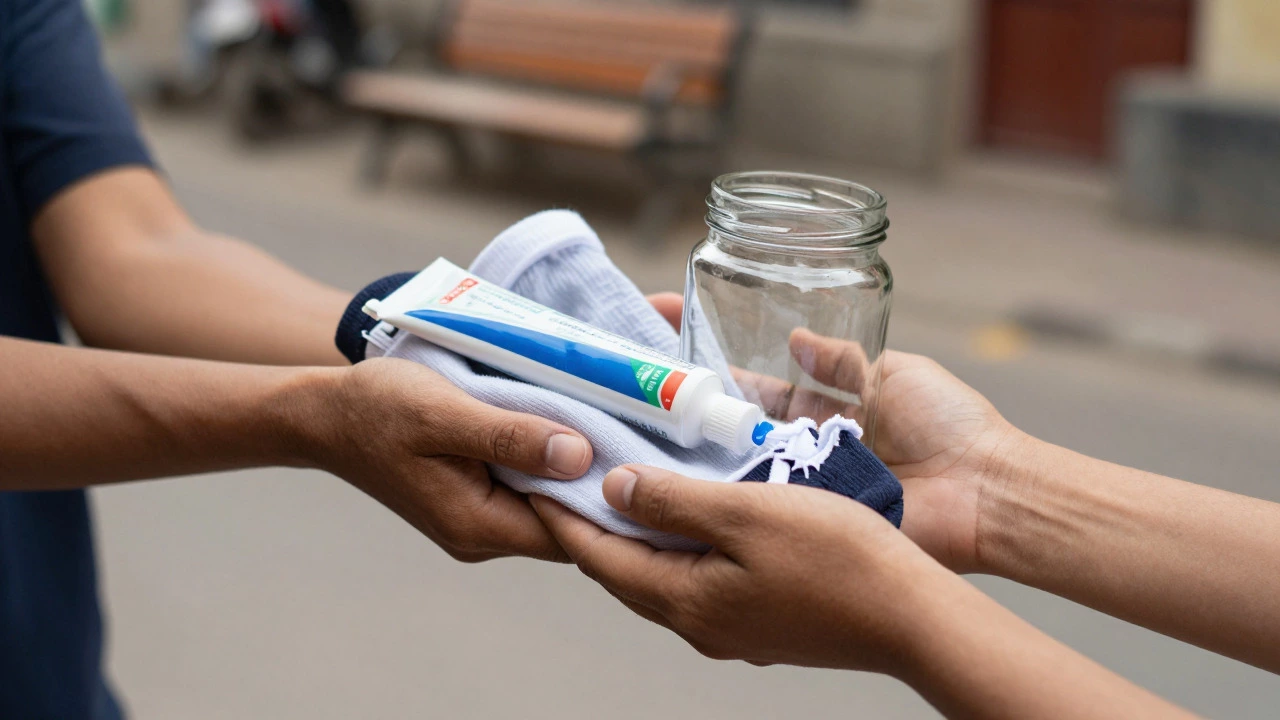
Giving opened toiletries like toothpaste tubes with three inches left, used deodorant sticks, or partially full lotion bottles often ends up in the trash. These items lack seals, making them unhygienic for the recipient and impossible to resell at thrift stores if the shelter tries to monetize donations. Shelters prefer new, sealed products because they ensure safety and allow for easy distribution among residents who may have specific allergies or sensitivities.
- Avoid: Opened makeup, half-used sunscreen, expired medication samples, and dirty combs.
- Prefer: Travel-sized, sealed hygiene kits including soap, toothbrushes, and feminine products.
Clothing That Clutters Their World
When you clean out your closet, you might think, "These jeans are great; someone will love them." But for a person living out of a backpack or a tent, space is the ultimate luxury. Every inch matters. Heavy winter coats in July? Useless. Formal wear when they need work boots? Burden. Torn socks? Health hazard.
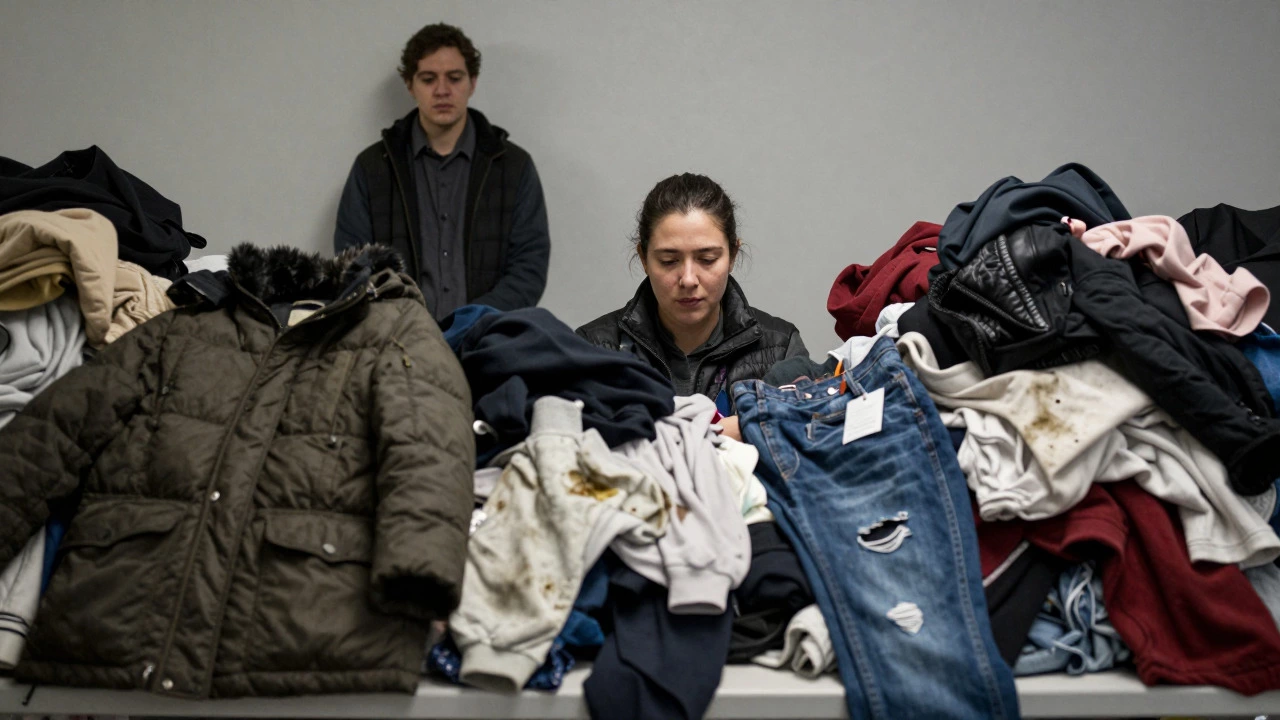
Shelter intake staff spend hours sorting through donations. If an item is stained, ripped, or broken (like missing buttons or broken zippers), it costs money to dispose of it. Many shelters operate on tight budgets and cannot afford landfill fees for unusable textiles. Before donating clothes, ask yourself: Would I give this to a friend? If the answer is no, don't give it to a stranger in crisis.
| Item Type | Status | Why It Matters |
|---|---|---|
| Wet or Damp Clothes | Do Not Donate | Mold risk; ruins storage space in shelters. |
| Stained Underwear/Socks | Do Not Donate | Hygiene concern; low resale value. |
| Seasonally Incorrect | Use Caution | Takes up space until needed; check local climate first. |
| New With Tags | Highly Preferred | Easy to distribute; high dignity factor. |
The Safety Hazard: Glass and Sharp Objects
Handing someone a glass jar of homemade jam seems sweet. But consider where they sleep. Is it under a bridge? In a park? On a subway platform? Glass breaks. If that jar shatters, it creates a dangerous mess they have to clean up immediately to avoid injury. Worse, if they are using a shared kitchen space, finding shards in communal areas causes liability issues for the facility.
This rule extends to electronics without chargers or batteries. A donated radio without AA batteries is just dead weight. A laptop without a power cord is a brick. People on the move rarely carry extra accessories. They need functional, self-contained items. If it requires a setup process, it likely won't get used.
Food Choices That Ignore Dietary Needs
Not everyone eats the same way. Some individuals experience homelessness due to medical conditions requiring strict diets, such as diabetes or celiac disease. Others follow religious dietary laws like Halal or Kosher. Handing out sugary snacks or pork-based products to someone managing blood sugar levels or adhering to faith practices can be alienating rather than helpful.
Moreover, perishable food spoils quickly if there's no refrigeration. A carton of milk given at noon might be unsafe by dinner. Stick to non-perishables with long shelf lives. Peanut butter crackers, canned beans with pull-tabs, and granola bars are safer bets. Always check expiration dates. Nobody wants to find out their emergency meal was expired last month.
Emotional Baggage: The Danger of Unsolicited Advice
This one isn't physical, but it weighs heavy. When you approach someone on the street, resist the urge to offer life advice. Saying things like "Have you tried getting sober?" or "Just apply for jobs online" ignores systemic barriers like lack of ID, transportation, mental health crises, or substance use disorders. These comments often come across as judgmental rather than supportive.
Instead of lecturing, try simple human connection. A smile, eye contact, or a brief "Hello" restores dignity. If you do speak, keep it open-ended. Ask if they need anything specific rather than assuming. Sometimes, the best gift is treating them like a person, not a project to fix.
What Actually Helps: High-Impact Alternatives
If you're wondering what to do with your generosity, look at what shelters report as most needed. Cash is king. Why? Because it allows individuals to buy what they specifically need-whether that's a bus fare to a job interview, a phone credit to call family, or a hot meal from a vendor nearby. It empowers choice.
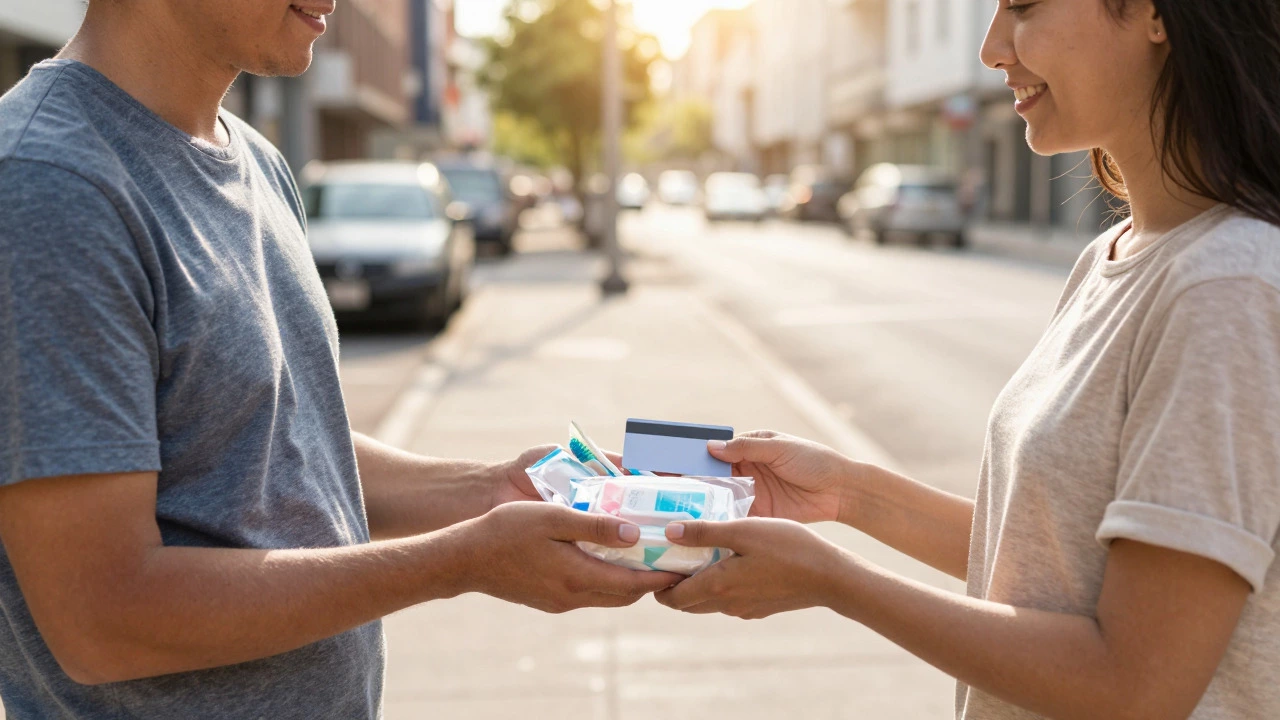
If cash feels too impersonal, consider gift cards to local grocery stores or pharmacies. These are less likely to be stolen or exchanged for alcohol compared to loose change, and they provide access to essential goods. For direct donations to organizations, focus on:
- Undergarments: New, white cotton underwear and socks are consistently in short supply.
- Feminine Hygiene Products: Tampons and pads are expensive and often overlooked in general drives.
- Gift Cards: Visa/Mastercard prepaid cards offer flexibility.
- Batteries: AA and AAA sizes are always running low in shelters.
Local Context Matters: Check Before You Drop
Every city has different rules. In some places, feeding homeless populations in parks is restricted by ordinance. In others, shelters only accept donations during specific weekdays. Calling ahead saves you time and ensures your contribution lands where it's wanted. A quick search for "[Your City] homeless shelter donation guidelines" provides current lists. What works in San Francisco might not work in rural Ohio.
Also, consider the weather. In August, heavy wool blankets aren't urgent. In January, rain gear is critical. Align your donations with the immediate environmental context. This shows thoughtfulness beyond just clearing out your garage.
Frequently Asked Questions
Is it okay to give cash directly to homeless people?
Yes, many experts argue cash is the most effective aid. It respects autonomy and allows individuals to prioritize their immediate needs, whether that's food, transport, or hygiene products. Concerns about misuse exist, but studies suggest most people spend small amounts responsibly.
Should I donate old books to homeless shelters?
Usually, no. Books add weight and require storage space. Unless the shelter has a specific library program or literacy initiative, they often decline book donations. Thrift stores are better recipients for books, as they can sell them to fund other services.
Why shouldn't I give homemade meals?
Homemade meals spoil quickly without refrigeration and pose food safety risks if not handled properly. Additionally, dietary restrictions vary widely. Pre-packaged, non-perishable foods are safer and easier to store for someone without kitchen access.
Are pet supplies useful for homeless individuals?
Many homeless individuals travel with pets. Unopened bags of dog or cat food, leashes, and flea treatments are highly appreciated. However, check with the specific shelter first, as some facilities do not allow animals inside, meaning owners must manage care independently.
What is the worst thing to donate?
Broken appliances, stained clothing, and expired medications are generally the worst. Broken items cost money to dispose of, stained clothes lower morale and hygiene standards, and expired meds are unsafe to consume and legally difficult to redistribute.