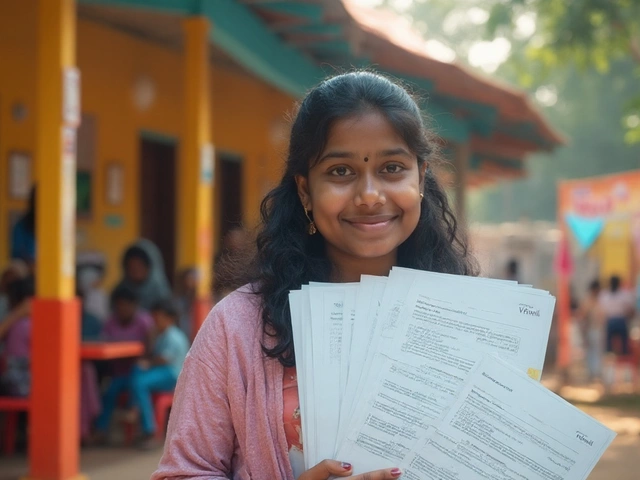
Outreach Task Planner
Select the outreach task types that align with your organization's current goals. We'll generate a customized action plan with recommended next steps.
Visibility & Reach
Digital content, event promotion, partnership development
Marketing DesignTrust Building
Listening sessions, mentoring, workshops
Empathy ListeningDirect Aid
Resource distribution, crisis intervention, admin support
Logistics CareSystemic Change
Legislative lobbying, public campaigns, media relations
Research PersuasionYour Personalized Outreach Action Plan
Outreach is often misunderstood as a single activity-like handing out flyers or making phone calls. In reality, it is a broad umbrella covering dozens of distinct tasks designed to connect an organization with its audience. Whether you are working for a nonprofit, a school, a local government body, or a corporate social responsibility team, the specific tasks you create depend entirely on your goals and the community you serve.
If you are looking to build a robust outreach program, you need to move beyond generic ideas. You need a structured approach that categorizes tasks by their function: awareness, engagement, support, and advocacy. This guide breaks down the specific types of tasks you can create, offering concrete examples and strategies to ensure your efforts actually reach the people who matter.
Why is defining specific outreach tasks important?
Defining specific tasks prevents burnout and ensures measurable results. Without clear task definitions, volunteers may feel lost, and organizations struggle to track progress. Specificity allows for better training, clearer expectations, and more effective impact assessment.
Awareness-Building Tasks
The first layer of any outreach effort is visibility. Before you can engage deeply, your target audience needs to know you exist and what you stand for. Awareness-building tasks are primarily outward-facing and focus on spreading information efficiently.
Digital Content Creation is a cornerstone of modern outreach. This isn't just about posting on social media; it involves crafting targeted messages for different platforms. For example, creating short, informative videos for TikTok or Instagram Reels that explain a complex issue in under 60 seconds. Another task could be writing blog posts optimized for search engines to answer common questions your community has. These tasks require skills in copywriting, graphic design, and basic video editing.
Event Promotion is another critical awareness task. This includes designing flyers, securing local media coverage, and managing email newsletters. A specific task here might be "Coordinate with three local radio stations to secure interview slots for our upcoming fundraiser." This requires strong communication skills and persistence.
Partnership Development involves identifying and connecting with other organizations that share your mission. A task could be "Draft partnership proposals for five local businesses interested in sponsoring our youth programs." This type of outreach expands your reach by leveraging the existing networks of others.
Direct Engagement Tasks
Once awareness is established, the next step is direct interaction. These tasks are personal, time-intensive, and crucial for building trust. They involve face-to-face or one-on-one digital interactions.
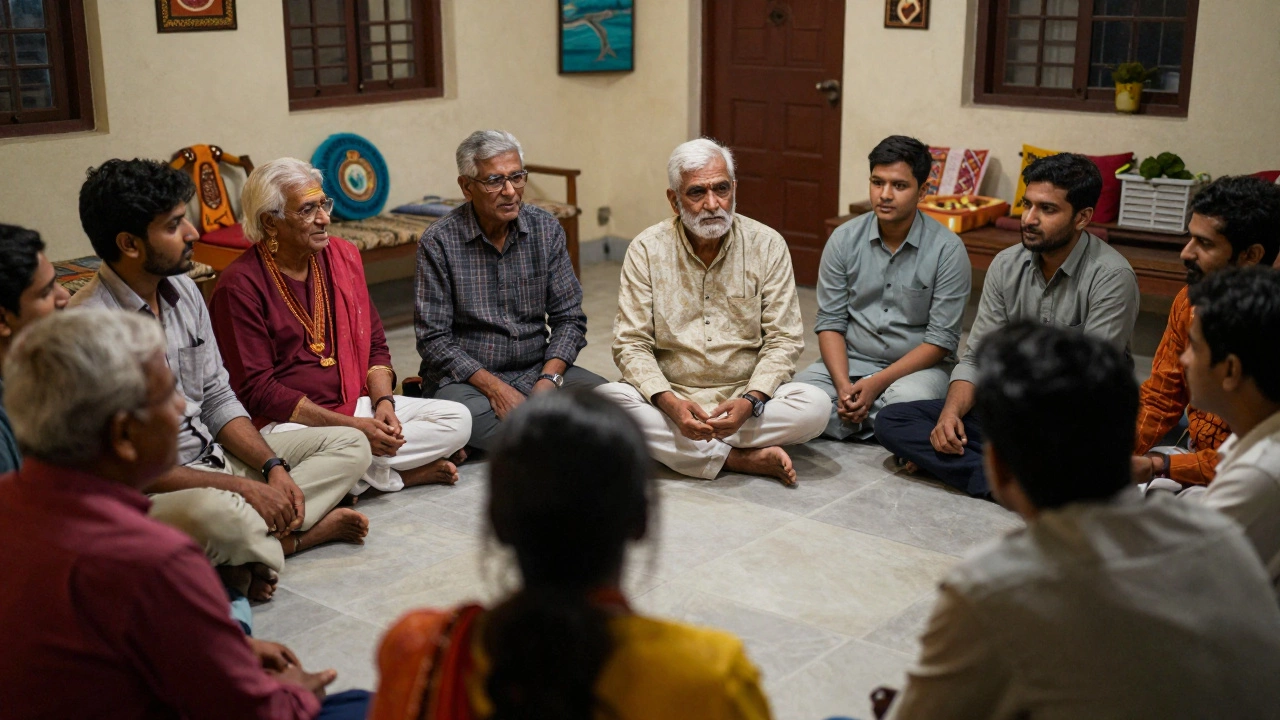
Community Listening Sessions are powerful engagement tools. Instead of telling people what you think they need, you ask them. A specific task might be "Organize and facilitate two town hall meetings in underserved neighborhoods to gather feedback on new housing initiatives." This requires active listening skills, neutrality, and the ability to synthesize large amounts of qualitative data.
One-on-One Counseling or Mentoring is common in health, education, and social services. If you run a tutoring program, a task could be "Match volunteers with students based on academic needs and schedule weekly sessions." This requires careful screening, training, and ongoing support for both mentors and mentees.
Workshop Facilitation allows you to provide value directly. For instance, if your organization focuses on financial literacy, a task could be "Develop and deliver a four-week budgeting workshop for recent graduates." This involves curriculum development, presentation skills, and hands-on guidance.
Support and Service Delivery Tasks
Many outreach programs exist to provide tangible aid. These tasks are operational and focused on meeting immediate needs. They are often the most visible form of outreach to the public.
Resource Distribution is a classic outreach task. This could involve running a food bank, distributing hygiene kits, or providing winter coats. A specific task might be "Manage inventory and coordinate logistics for the monthly distribution of 500 meal kits." This requires organizational skills, attention to detail, and physical stamina.
Crisis Intervention is a high-stakes outreach task. For homeless support organizations, this might mean "Staff night-shift outreach vans to connect individuals experiencing homelessness with emergency shelter beds." This requires specialized training in de-escalation, trauma-informed care, and knowledge of local resources.
Administrative Support behind the scenes ensures these services run smoothly. Tasks include data entry, grant writing, and volunteer coordination. For example, "Update client database with intake forms and follow-up notes within 24 hours of service delivery." Accuracy and confidentiality are paramount here.
Advocacy and Policy Change Tasks
Some outreach aims not just to help individuals but to change systems. Advocacy tasks focus on influencing decision-makers and shaping public opinion.
Legislative Lobbying involves direct contact with policymakers. A task could be "Prepare briefing papers and schedule meetings with city council members to advocate for increased funding for mental health services." This requires research skills, political acumen, and persuasive communication.
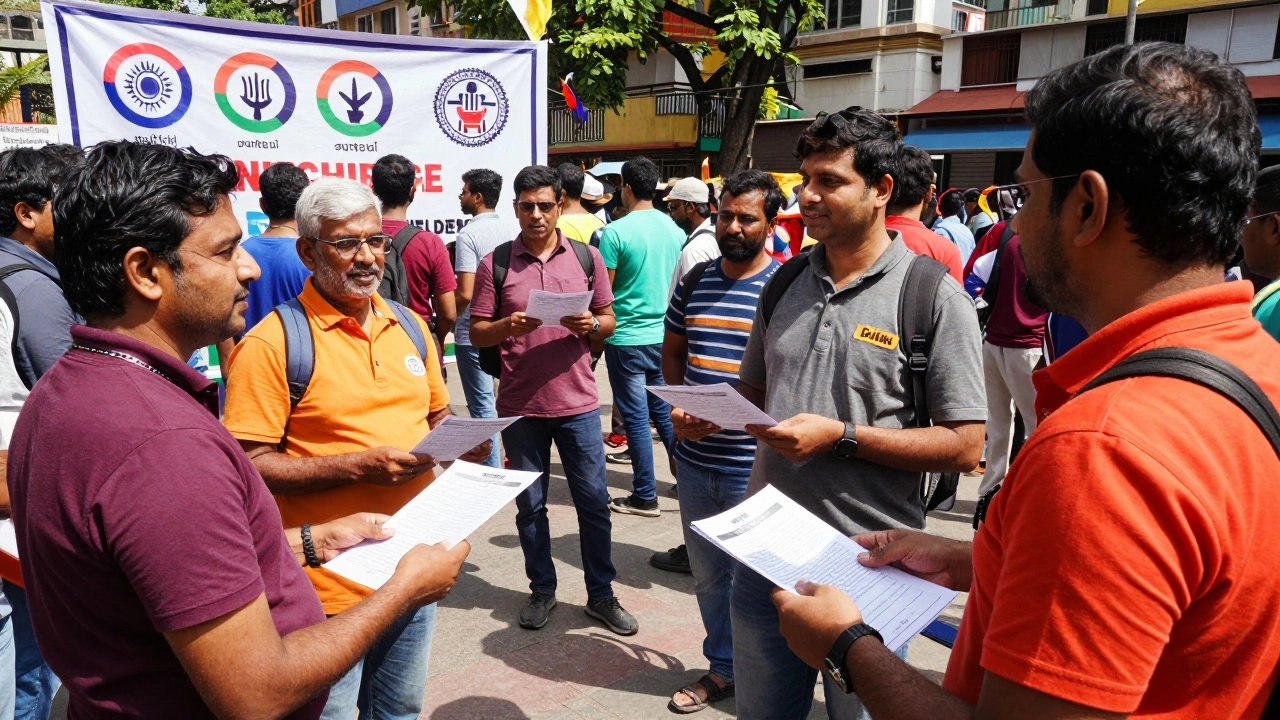
Public Campaigns mobilize communities to take action. Examples include organizing petition drives, coordinating letter-writing campaigns, or planning peaceful protests. A specific task might be "Design and distribute petition materials to 100 community centers over two weeks." This requires strategic planning and mass communication skills.
Media Relations helps amplify your advocacy message. Tasks include writing press releases, pitching stories to journalists, and giving interviews. For instance, "Draft a press release highlighting the success of our pilot program and send it to major national news outlets." This requires journalistic writing skills and media contacts.
How to Choose the Right Tasks for Your Organization
Not every task is suitable for every organization. Choosing the right mix depends on your resources, expertise, and goals. Here’s a simple framework to help you decide:
- Assess Your Capacity: Do you have the staff, volunteers, and budget to handle intensive tasks like crisis intervention? If not, start with lower-barrier tasks like digital content creation.
- Identify Your Audience's Needs: What does your community actually want? Conduct surveys or focus groups to find out. Don't assume you know what's best for them.
- Align with Your Mission: Ensure every task directly supports your core purpose. If your mission is environmental conservation, avoid tasks that don't contribute to that goal, even if they seem popular.
- Consider Scalability: Some tasks, like one-on-one mentoring, are hard to scale. Others, like online webinars, can reach thousands with minimal additional cost. Balance both types in your strategy.
| Task Type | Primary Goal | Required Skills | Scalability | Example |
|---|---|---|---|---|
| Awareness | Visibility | Marketing, Design | High | Social Media Campaign |
| Engagement | Trust Building | Listening, Empathy | Medium | Community Town Hall |
| Support | Immediate Aid | Logistics, Care | Low-Medium | Food Bank Distribution |
| Advocacy | Systemic Change | Research, Persuasion | Variable | Legislative Lobbying |
Common Pitfalls to Avoid
Even well-intentioned outreach can fail if certain mistakes are made. Here are some common pitfalls and how to avoid them:
Overpromising: Don't commit to tasks you can't sustain. It's better to do a few things well than many things poorly. Be realistic about your capacity and communicate clearly with your community about what you can offer.
Lack of Cultural Competence: Outreach must respect the culture, values, and norms of the community you're serving. Take time to learn about their history and perspectives. Involve community members in designing your tasks rather than imposing solutions from the outside.
Poor Follow-Up: Many organizations excel at initial contact but fail to maintain relationships. Build systems for regular check-ins and feedback. Show your community that you are committed long-term, not just during fundraising seasons.
Data Neglect: Track your outcomes. Use metrics to measure the impact of your tasks. Are more people attending your events? Is there an increase in donations? Is there a reduction in the problem you're trying to solve? Data helps you refine your approach and demonstrate value to stakeholders.
Next Steps for Implementing Your Outreach Plan
Now that you understand the types of tasks available, it's time to take action. Start by auditing your current activities. Which categories do you already cover? Where are the gaps? Then, prioritize based on your immediate goals and resources.
Recruit volunteers or staff with the specific skills needed for each task type. Provide thorough training and clear guidelines. Finally, establish a feedback loop with your community to continuously improve your outreach efforts. Remember, effective outreach is a dynamic process that evolves with the needs of the people you serve.
What are the easiest outreach tasks for beginners?
Beginners should start with low-barrier tasks like social media sharing, event attendance, or helping with resource distribution. These roles require minimal training and provide immediate exposure to the organization's mission and community.
How can small nonprofits compete with larger organizations in outreach?
Small nonprofits can leverage their agility and personal connections. Focus on hyper-local engagement, personalized communication, and niche partnerships. Authenticity and deep community ties often outweigh big budgets in building trust.
Is digital outreach as effective as in-person outreach?
It depends on the goal. Digital outreach is superior for broad awareness and reaching geographically dispersed audiences. In-person outreach is more effective for building deep trust, handling sensitive issues, and providing direct support. A hybrid approach usually works best.
How do I measure the success of my outreach tasks?
Define clear KPIs for each task type. For awareness, track reach and engagement metrics. For engagement, measure participation rates and satisfaction scores. For support, count the number of individuals served. For advocacy, track policy changes or media mentions. Regularly review and adjust based on data.
What skills are most valuable for outreach workers?
Key skills include active listening, empathy, cultural competence, communication (both written and verbal), organization, and adaptability. Technical skills like social media management or data analysis are also increasingly important.