Find Your Impact Path
Select all that apply to your current situation:
I have Time
Even just 15 mins a weekI have Skills
Design, writing, coding, etc.I have Items
Clothes, books, electronicsI have Budget
Even $5 or $10 makes a differenceSelect your available resources above to see personalized recommendations.
Most people think doing good requires a big bank account or a spare Saturday. We see headlines about million-dollar donations and massive fundraising galas, and it’s easy to feel like your small efforts don’t count. But what if the most powerful way to help isn’t about money at all?
The truth is, the simplest form of charity often involves zero dollars. It starts with shifting your mindset from "I need to donate" to "I can give." This shift unlocks a world of accessible, high-impact actions that fit into your daily routine without disrupting your life.
Redefining Charity: Beyond Monetary Donations
We have a cultural habit of equating charity strictly with cash transfers. When you write a check to a foundation, the transaction is clear. You lose $50; they gain $50. But this narrow view ignores three other pillars of giving: time, talent, and attention. In fact, for many non-profits, the cost of processing credit card donations means only about 80 cents of every dollar reaches the cause. Your direct involvement often has a higher multiplier effect than a passive payment.
Consider the concept of "micro-charity." These are tiny, frequent acts of generosity. Buying a coffee for the person behind you in line, picking up litter on your walk to work, or simply listening to a friend who is struggling. These actions build social capital. They create a community fabric where people feel seen and supported. Research in behavioral economics suggests that these small prosocial behaviors trigger a "helper’s high," releasing dopamine and oxytocin, which makes you more likely to help again. It creates a positive feedback loop that benefits both the giver and the receiver.
The Power of Giving Time (Micro-Volunteering)
If you can’t spare a whole day, can you spare ten minutes? Absolutely. This is the realm of micro-volunteering. Technology has made it possible to contribute skills in bite-sized chunks. You don’t need to sign up for a three-month commitment to pack food boxes at a shelter. Instead, you can use apps that match you with quick tasks.
- Transcribing historical documents: Many archives need help digitizing old records. You can transcribe pages from home.
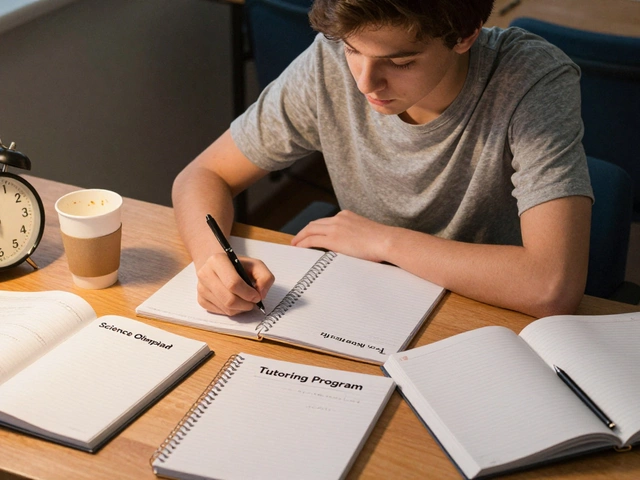
- Tutoring via chat: Platforms exist where you can answer specific homework questions for students in under-resourced schools.
- Reviewing grant applications: Some foundations ask volunteers to read and score short proposals during their lunch break.
This approach lowers the barrier to entry. It allows busy professionals, parents, and students to contribute meaningfully without the logistical nightmare of traditional volunteering. The key is consistency. Ten minutes a week adds up to over eight hours a year-enough time to make a tangible difference in a local organization’s workflow.

Leveraging Your Skills: Pro Bono Work
You might not have extra cash, but do you have a skill? If you are a graphic designer, a lawyer, an accountant, or a web developer, your expertise is a valuable currency. Non-profits often operate on shoestring budgets and cannot afford professional services. Offering your skills pro bono (for free) is one of the highest-leverage forms of charity available to individuals.
Imagine a local animal rescue group that needs a new website to increase adoptions. A developer spending five hours building that site could save them thousands of dollars in agency fees. That same developer could then focus those funds on medical care for animals. This is called "skill-based volunteering." It’s not just about labor; it’s about strategic impact. Look at your job description. What problems do you solve for money? Now imagine solving those same problems for a cause you care about.
| Type of Giving | Time Commitment | Financial Cost | Impact Level |
|---|---|---|---|
| Monetary Donation | Minutes | High (variable) | Immediate |
| Micro-Volunteering | 10-30 mins/task | Zero | Cumulative |
| Skill-Based Volunteering | Hours per project | Zero | High/Strategic |
| Everyday Kindness | Moments | Zero/Low | Social/Cultural |
Donating Unused Items: The Gift of Decluttering
We live in a consumer society where we accumulate things faster than we need them. The simplest form of material charity is donating what you already own. Before you buy something new, ask yourself: "Do I have something similar sitting in my closet, garage, or pantry?"
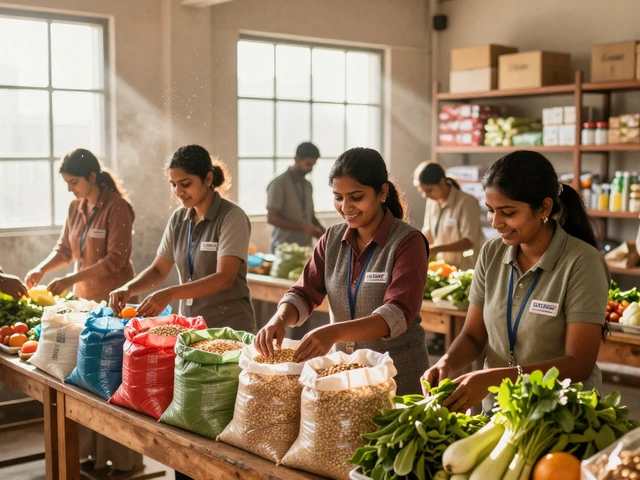
Clothing drives are obvious, but think deeper. Do you have books you’ve already read? Electronics that are outdated but still functional? Kitchen gadgets you never used? Local shelters, women’s refuges, and community centers are always in need of household goods. A set of pots and pans can mean a family doesn’t have to eat out of cans for months. Gently used toys can bring joy to children in foster care. The act of decluttering your space while helping someone else is a win-win. Just ensure items are clean and in good working order. Broken items become waste, which shifts the burden onto the recipient.

Digital Activism and Awareness
In the digital age, attention is a resource. Sharing information is a form of charity. When you share a verified fundraiser, a petition for environmental protection, or an educational article about a social issue, you are amplifying voices that might otherwise go unheard. This is known as "advocacy."
However, there is a caveat. Performative activism-posting without engaging-has little value. True digital charity involves educating yourself first. Read the full story. Understand the nuance. Then share it with your network. Explain why it matters. Your personal endorsement carries weight. If you trust a friend, they are more likely to click through and take action because you vouched for the cause. This viral potential can mobilize thousands of people to act, far exceeding the impact of a single individual’s effort.
Practical Steps to Start Today
You don’t need a grand plan. You need a starting point. Here is how to integrate the simplest forms of charity into your week:
- Audit your habits: Identify one recurring expense you can cut or redirect. Even $5 a week goes further than you think.
- Pick one skill: Choose one professional skill you can offer for free once a quarter.
- Set a timer: Dedicate 15 minutes this weekend to sort through your home for donation-worthy items.
- Listen actively: In your next conversation, practice deep listening. Ask questions. Validate feelings. Emotional support is a rare and precious gift.
The goal isn’t perfection. It’s participation. By lowering the threshold for what counts as "charity," we invite more people into the circle of giving. And when giving becomes a habit rather than an event, it transforms our communities from the ground up.
Is buying coffee for someone considered charity?
Yes, this falls under the category of informal or interpersonal charity. While it may not be tracked by a formal non-profit, it contributes to social cohesion and provides immediate relief or joy to another person. Behavioral scientists classify this as prosocial behavior, which strengthens community bonds.
How much time does micro-volunteering actually take?
Micro-volunteering tasks are designed to be completed in under 30 minutes, often between 5 and 15 minutes. Examples include translating short texts, tagging photos for accessibility, or answering survey questions for research organizations. The flexibility allows you to volunteer during commutes or breaks.
Can I deduct the value of my time as a volunteer on taxes?
Generally, no. In most jurisdictions, including New Zealand and the US, you cannot deduct the value of your time or services. However, you may be able to deduct out-of-pocket expenses incurred while volunteering, such as travel costs or materials purchased specifically for the charity, provided you keep receipts and follow local tax authority guidelines.
What is the best way to find skill-based volunteering opportunities?
Start by contacting local non-profits directly and asking if they need help with marketing, IT, legal, or financial tasks. Additionally, platforms like Catchafire or Taproot Foundation connect professionals with vetted non-profit projects. LinkedIn also has groups dedicated to pro bono work where opportunities are frequently posted.
Does donating old clothes really help if they are worn out?
No. Donating damaged, stained, or broken items creates additional work for charities, who must spend resources sorting and disposing of unusable goods. Always ensure items are clean, intact, and wearable. If an item is too worn, consider recycling it through textile recycling programs instead of donating it to a thrift store.