Car Camping Safety & Suitability Calculator
Configure your situation:
Overall Assessment
Safety Rating
Comfort Level
💡 Pro Tip:
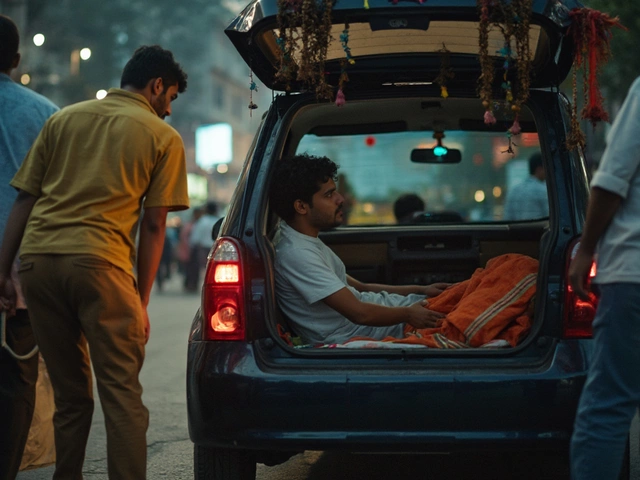
Waking up in a parked car can feel like an adventure or it can feel like a survival tactic. For many people, sleeping in their vehicle is a temporary bridge during a housing crisis, a cost-saving measure for travelers, or simply a weekend escape from city noise. But finding the right spot isn't just about convenience; it’s about safety, legality, and basic human dignity. You need a place where you won’t be woken up by police sirens, where you can lock your doors without fear, and where you have access to restrooms if needed.
If you are looking for the best places to sleep in your car, the answer depends heavily on your location, your vehicle type, and how long you plan to stay. This guide breaks down the safest options, from designated overnight parking zones to discreet urban spots, while highlighting resources like homeless shelters that might offer a safer alternative when conditions get tough.
Understanding Local Laws and Regulations
Before you pick a spot, you need to know what is legal. Laws regarding overnight parking vary wildly between cities, counties, and states. In some areas, sleeping in your car is explicitly banned in public spaces to discourage homelessness. In others, it is tolerated as long as you are not setting up camp with tents or chairs.
- Municipal Ordinances: Many cities have "anti-camping" laws that prohibit sleeping in vehicles within city limits. Check your local municipal code online. Look for keywords like "overnight parking," "vehicle habitation," or "loitering."
- State Parks vs. National Forests: State parks often require paid campsites for overnight stays. However, many national forests and Bureau of Land Management (BLM) lands allow free dispersed camping for up to 14 days. Always look for signs that say "No Overnight Parking" or "Camping Allowed."
- Private Property: Sleeping on private property requires explicit permission. Even if a store owner seems friendly, assume it’s prohibited unless they hand you a key or write you a note. Walmart, for example, has reversed its policy in many locations due to local pressure, so never assume it’s okay without asking the night manager.
Ignoring these rules can lead to fines, towing, or harassment. The goal is to find a place where you belong, legally and socially.
Safest Public Places to Sleep in Your Car
When public land is available, it is often the safest bet because there are other people around, but not too many to cause privacy issues. Here are the most reliable options:
| Location Type | Safety Level | Amenities | Privacy |
|---|---|---|---|
| National Forests / BLM Land | High | None (Pack out waste) | High |
| Rest Areas (Interstate) | Medium-High | Restrooms, Showers (sometimes) | Low-Medium |
| Church Parking Lots | Medium | Often none | Medium |
| 24-Hour Gyms | Medium | Showers, Security Cameras | Low |
1. Rest Areas Along Highways
Designed for truckers and drivers, rest areas are built for overnight stops. They are well-lit, usually monitored by security cameras, and staffed periodically by state troopers. This visibility deters crime. Most rest areas allow stays of up to 8 hours. Just remember to pull in late and leave early to avoid hogging a spot from someone who needs to stop for a quick break.
2. National Forests and BLM Lands
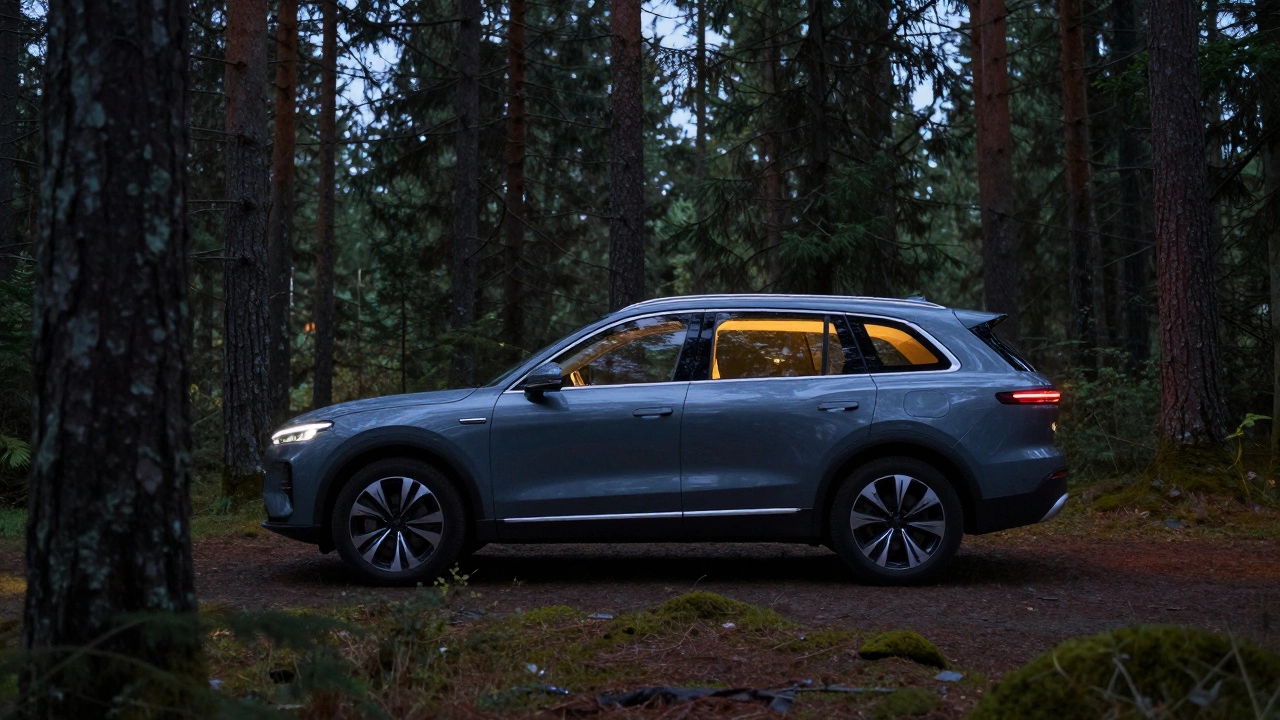
In the United States, millions of acres of public land are open for dispersed camping. These areas offer natural cover, quiet, and freedom. Use apps like iOverlander or FreeRoam to find specific coordinates. The trade-off is that you are often far from cell service and amenities. You must carry all your water and pack out all your trash.
3. Church Parking Lots
Many churches welcome those in need. While not all do, many pastors view offering a safe place to park as part of their community duty. Call ahead if possible, or look for signs welcoming guests. If you choose this option, be respectful: keep noise down, don’t set up visible tents, and consider leaving a small donation in the collection plate if you are able.
Urban Strategies: Staying Discreet and Safe
If you are stuck in a city, the strategy shifts from comfort to discretion. You want to blend in. Avoid isolated alleys or dark parks. Instead, look for busy, well-lit commercial areas.
- 24-Hour Gyms: Some gyms allow members to shower and use facilities even at odd hours. Parking in the lot can be risky if you’re not a member, but if you have a membership, it’s one of the few places you can access hot water and clean restrooms safely.
- Big Box Store Parking Lots: As mentioned, policies vary. Target and Costco are sometimes more lenient than Walmart. Arrive after closing time, park near other cars (not alone), and leave before opening. Never cook or eat outside your car.
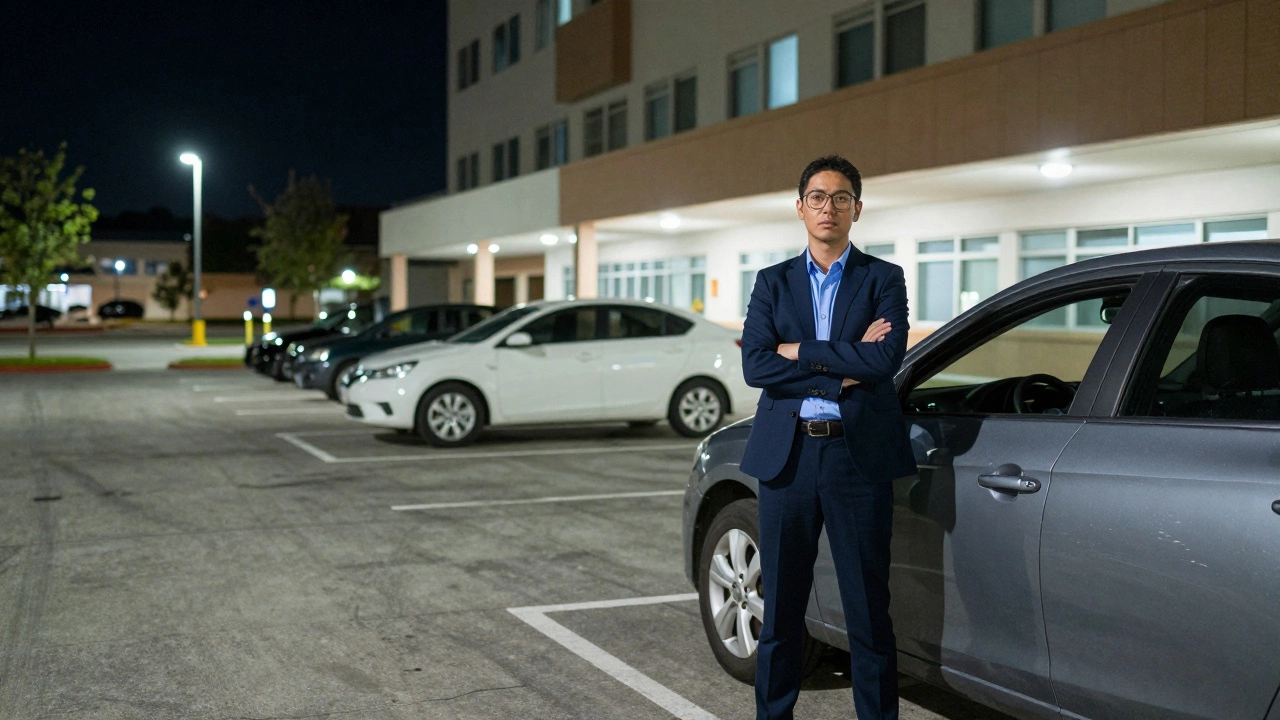
- Hospital Parking Garages: Hospitals operate 24/7 and have constant foot traffic and security. Overnight parking fees apply, but the safety net is strong. If you are experiencing a health crisis, this is also a place to seek help.
Essential Safety Tips for Car Sleepers
Wherever you park, your safety depends on preparation. Treat your car like a fortress.
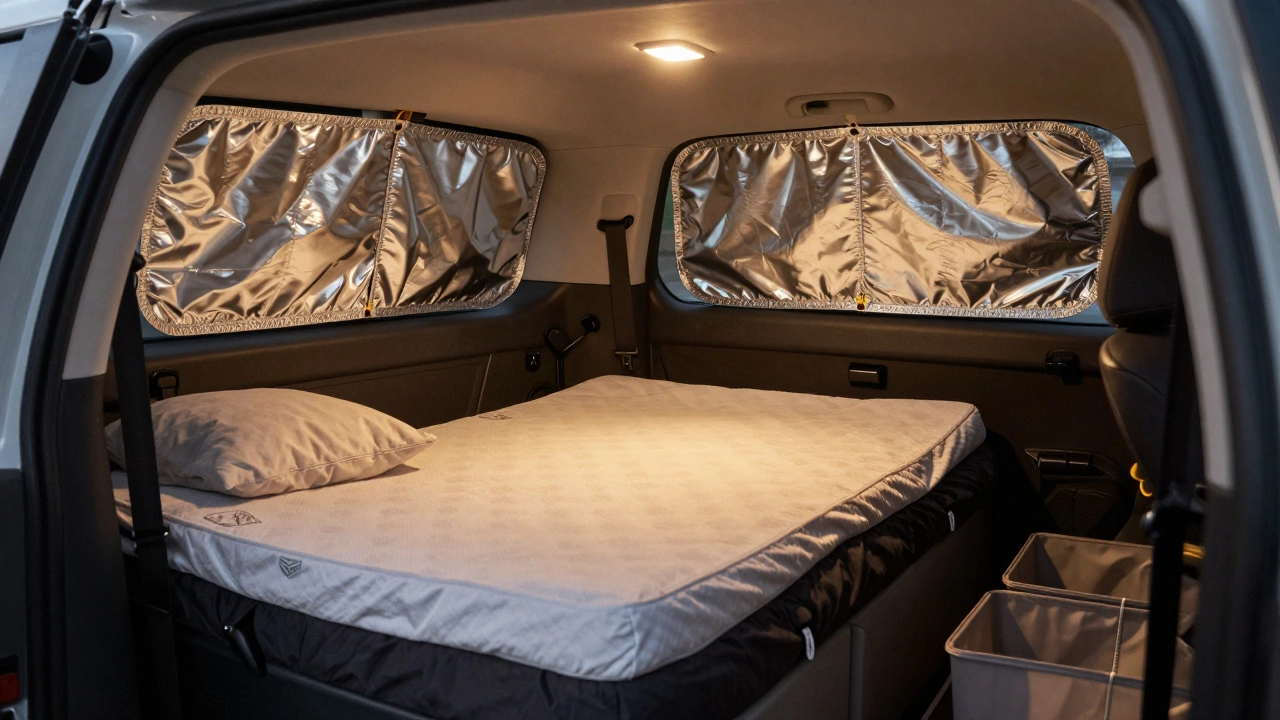
- Window Coverings: Buy reflective sunshades for every window. They block light from inside, preventing passersby from seeing you. This preserves privacy and makes your car look empty.
- Ventilation: Crack windows slightly if the weather permits. Use mesh screens to keep bugs out. Carbon monoxide poisoning is a real risk if you run the heater while idling. Never sleep with the engine running unless you have a specialized diesel heater system installed correctly.
- Lighting: Keep a bright flashlight or headlamp within reach. A motion-sensor LED light plugged into your cigarette lighter can deter anyone trying to approach your vehicle unnoticed.
- Emergency Kit: Keep a first-aid kit, a charged power bank, a map (offline), and a list of emergency contacts in your glove box.
When to Seek Help: Homeless Shelters and Resources
Sleeping in your car is exhausting. It takes a toll on your mental and physical health. If you are facing long-term housing instability, relying solely on your vehicle is not sustainable. This is where homeless shelters and support services become critical.
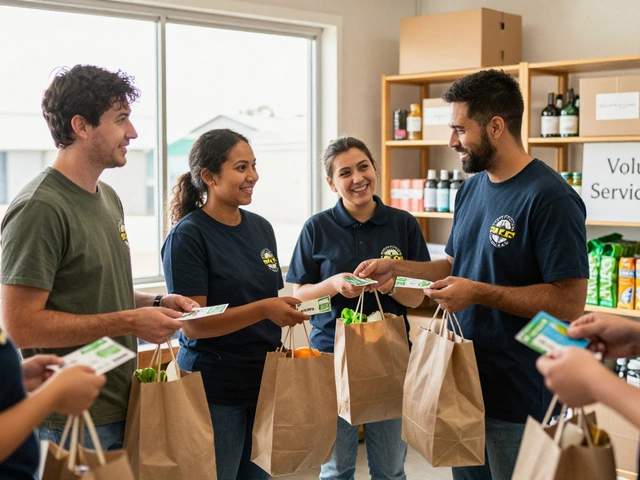
Shelters provide more than a bed. They offer case management, job placement assistance, and connections to healthcare. In Wellington, New Zealand, and similar communities worldwide, organizations work to ensure no one sleeps rough unnecessarily. If you are in the US, dialing 211 connects you to local community resource specialists who can find shelter beds, food pantries, and financial aid.
Don’t let pride prevent you from accepting help. Shelters are designed for exactly this situation. Many also have programs specifically for vehicle dwellers, helping you secure storage for your belongings while you transition to permanent housing.
Preparing Your Vehicle for Comfort
If you must sleep in your car for several nights, make it livable. You don’t need expensive gear, just smart adaptations.
- Flat Surface: Fold down your rear seats to create a flat platform. Use foam mattress toppers cut to size. Air mattresses lose air in cold temperatures.
- Insulation: Reflectix insulation on windows helps retain heat. Thick blankets or sleeping bags rated for lower temperatures than expected are crucial.
- Storage: Use hanging organizers from the ceiling or under-seat bins to keep clothes off the floor. Clutter makes the space feel smaller and less safe.
Next Steps and Troubleshooting
If you find yourself unable to find a safe spot, prioritize immediate safety over legality. Go to a hospital ER or a police station lobby. Explain your situation calmly. Ask for a referral to a shelter or social worker.
For long-term solutions, connect with local advocacy groups. In many regions, nonprofits are fighting against anti-camping ordinances and building tiny home villages. Getting involved can provide community and support while you navigate the system.
Is it illegal to sleep in your car in public?
It depends on local laws. Many cities ban overnight parking in residential areas or downtown centers. However, national forests, rest areas, and some private businesses may allow it. Always check local ordinances before staying overnight.
What is the safest place to sleep in my car?
Well-lit, populated areas like interstate rest areas, hospital parking garages, or designated national forest camping spots are generally safest. Avoid isolated roads or dark parks. Visibility deters crime.
Can I sleep in my car at Walmart?
Policies vary by location. Many Walmarts have banned overnight parking due to local laws or customer complaints. Always ask the night manager for permission before pulling in. Do not assume it is allowed.
How do I stay warm in my car without running the engine?
Use insulated window covers, thick sleeping bags, and chemical hand warmers. Never run the engine to heat the car while sleeping due to carbon monoxide risks. Consider a portable propane heater designed for enclosed spaces if properly ventilated.
Where can I find homeless shelters near me?
In the US, call 211 to find local shelters and resources. In New Zealand, contact Housing New Zealand or local community outreach centers. Online directories like ShelterMap.org also list available beds and services by zip code.