Outreach Strategy Recommender
Select the primary method you are considering to see its strengths, weaknesses, and ideal use cases based on community engagement best practices.
Social Media Ads
Broad awareness & targeting
Email Marketing
Nurturing leads & updates
Phone Calls
Personalized follow-ups
Door-to-Door
Deep local trust building
Community Events
Engagement & networking
Key Metrics
Best For
Imagine spending months crafting a perfect flyer, only to watch it get tossed into the bin before anyone reads it. Or worse, imagine sending out hundreds of emails that land straight in spam folders, ignored by everyone who matters. This is the reality for many organizations trying to connect with their communities. The question isn't just about being visible; it's about being relevant. So, what is the best form of outreach? The short answer is: there is no single magic bullet. The most effective strategy depends entirely on who you are trying to reach and what you want them to do.
In 2026, the landscape of connection has shifted dramatically. People are more distracted than ever, yet they crave authentic, local interaction. The 'best' approach is rarely one channel alone. It is usually a hybrid model that blends digital precision with human warmth. Let’s break down why some methods fail, which ones work, and how you can build an outreach plan that actually gets results.
Understanding Your Audience First
Before picking a tool, you need to know who is holding it. If you are trying to engage teenagers about climate action, handing out brochures at a library might be the least effective move possible. They are likely scrolling through TikTok or Instagram Reels. Conversely, if you are reaching out to senior citizens about health services, a complex social media campaign might miss the mark entirely. They may prefer phone calls or printed materials delivered to their doorsteps.
Audience Segmentation is the process of dividing your target population into distinct groups based on shared characteristics such as age, location, interests, or behavior. Without this step, your message becomes generic noise. Generic messages get ignored. Specific messages get acted upon.
Ask yourself these questions before choosing your method:
- Where does my audience spend their time?
- What problems are they currently facing?
- Do they trust digital sources or face-to-face interactions more?
- What is the barrier to entry for them to join or help?
If you skip this step, you are essentially guessing. And in outreach, guessing costs money and goodwill.
Digital Outreach: Speed and Scale
Digital outreach offers unmatched speed. You can reach thousands of people in minutes. In 2026, platforms like LinkedIn, Instagram, and even emerging AI-driven community hubs allow for hyper-targeted messaging. Email marketing remains a powerhouse, especially when personalized. An email that uses the recipient's name and references a previous interaction has a significantly higher open rate than a blast sent to a whole list.
Social media ads allow you to target users based on interests, behaviors, and demographics. For example, if you are organizing a food drive, you can target users who have recently engaged with local grocery stores or charity pages. However, digital fatigue is real. People are bombarded with content. To stand out, your digital presence must offer value, not just ask for something. Share stories, show impact, and make it easy to engage with a single click.
One major pitfall of digital-only outreach is the 'echo chamber' effect. Algorithms often show your content to people who already agree with you or support your cause. To truly grow, you need to break out of these bubbles. This is where offline methods become crucial.
Direct Personal Outreach: Building Trust
There is nothing quite like a human conversation. Direct personal outreach includes phone calls, home visits, and face-to-face meetings. This method is slower and more resource-intensive, but it builds deep trust. When you look someone in the eye and listen to their concerns, you create a bond that an email never could.
For sensitive topics-such as mental health support, homeless assistance, or elder care-personal outreach is often the only way to break through stigma and hesitation. Volunteers knocking on doors to introduce a new neighborhood safety program will likely see higher participation rates than a Facebook post. Why? Because people respond to people. They want to know who is behind the organization and whether they are genuine.
Consider the 'warm introduction.' Instead of cold-calling, leverage existing relationships. Ask current volunteers or donors to introduce you to their friends. A recommendation from a trusted peer carries far more weight than any advertisement. This word-of-mouth strategy is organic and highly effective because it bypasses skepticism.
Event-Based Outreach: Creating Shared Experiences
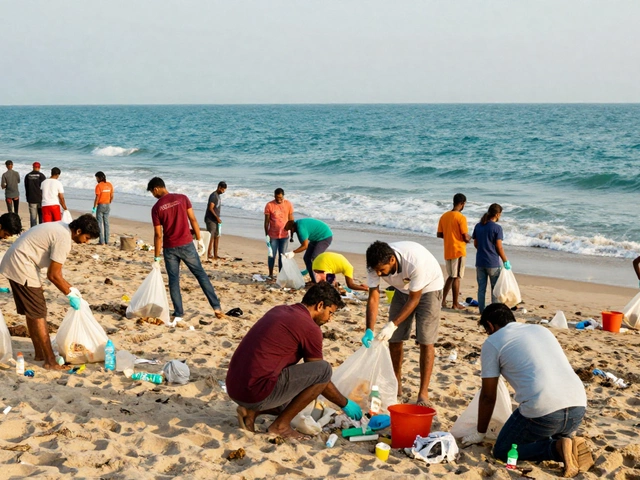
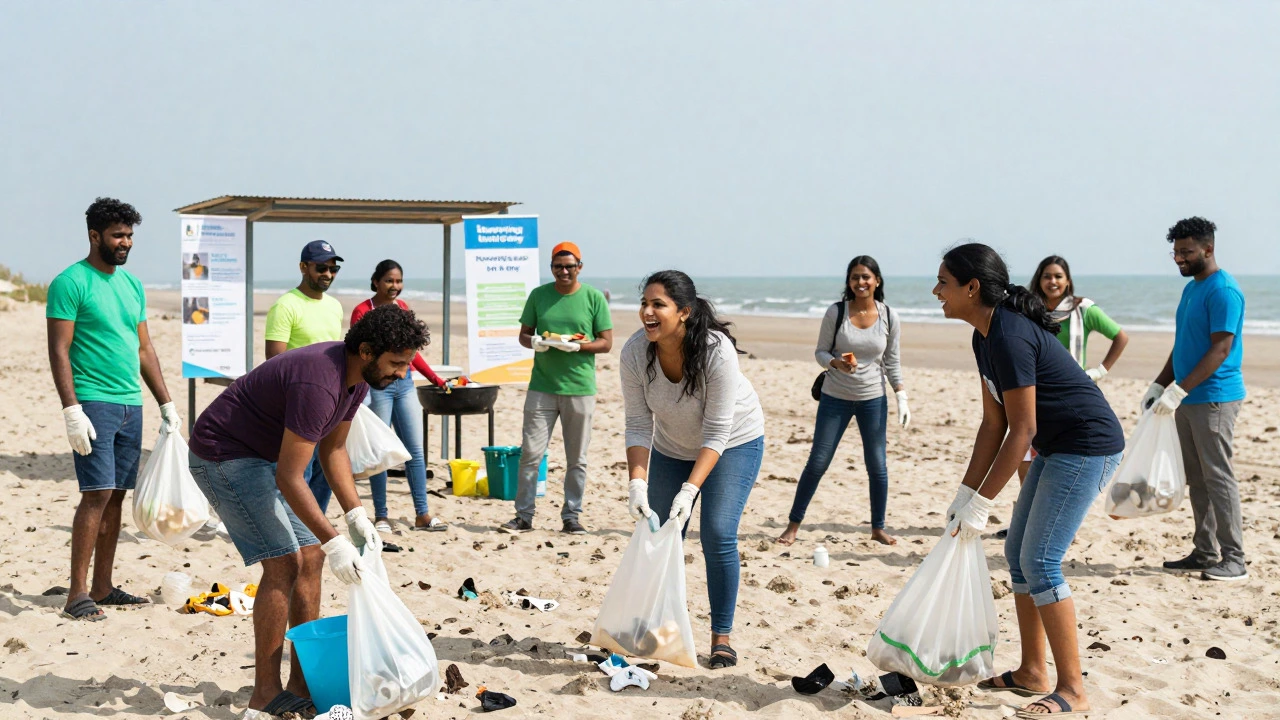
Events bring people together physically. Whether it’s a workshop, a festival, or a simple coffee morning, events create shared experiences. These moments foster community spirit and allow for spontaneous connections. In Wellington, for instance, hosting a beach cleanup followed by a BBQ can attract a diverse crowd who might not otherwise engage with environmental causes.
The key to successful event-based outreach is lowering the barrier to entry. Make it free, accessible, and fun. Provide clear information about what happens next. Don’t just let people enjoy the day and leave; give them a simple next step, like signing up for a newsletter or joining a volunteer group. Capture contact details ethically and follow up promptly while the memory of the event is fresh.
Events also serve as powerful content generators. Photos and videos from your events can fuel your digital outreach efforts, creating a virtuous cycle. Showcasing happy faces and tangible results helps validate your mission to those who haven’t yet joined.
Comparing Outreach Methods
To help you decide which approach fits your goals, here is a comparison of common outreach strategies.
| Method | Best For | Cost | Speed | Trust Level |
|---|---|---|---|---|
| Social Media Ads | Broad awareness, younger demographics | Low to Medium | Fast | Low |
| Email Marketing | Nurturing leads, updates | Low | Medium | Medium |
| Phone Calls | Personalized follow-ups, seniors | Medium (labor) | Slow | High |
| Door-to-Door | Local issues, building deep trust | High (labor) | Very Slow | Very High |
| Community Events | Engagement, networking, visibility | Medium to High | Medium | High |
Notice that 'Trust Level' correlates inversely with 'Speed' and 'Scale.' If you need quick numbers, go digital. If you need loyal advocates, invest in personal touchpoints. The best organizations use both.
The Hybrid Approach: Integrating Channels
The most robust outreach plans integrate multiple channels. Start with digital tools to identify and segment your audience. Use social media to raise awareness and drive traffic to a landing page where people can sign up for more info. Then, transition to personal outreach. Call those who signed up. Invite them to an event. Follow up after the event with a thank-you note and a specific call to action.
This omnichannel strategy ensures you meet people where they are comfortable. Someone might first hear about you via an Instagram ad, then read a blog post, then attend a local meetup, and finally become a regular volunteer. Each touchpoint reinforces the previous one. Consistency across all channels is vital. Your brand voice, visual identity, and core message should be recognizable whether someone sees you online or in person.
Data plays a huge role here. Track which channels bring in the most engaged participants. If you find that 80% of your volunteers come from referrals at events, shift resources toward hosting more events rather than increasing ad spend. Let data guide your decisions, not assumptions.
Measuring Success Beyond Numbers
It is tempting to judge outreach success solely by metrics like clicks, likes, or attendance numbers. While these are important, they don’t tell the whole story. Did the people who attended stay engaged? Did they refer others? Did they feel heard and valued?
Qualitative feedback is essential. Send surveys after events. Conduct interviews with long-term supporters. Listen to complaints as much as praise. If people love your event but find it hard to access, that is a problem to solve. If your emails have high open rates but low conversion, your call to action might be unclear.
Define clear goals for each outreach effort. Are you trying to raise funds? Recruit volunteers? Change public perception? Different goals require different measures. For fundraising, track donation amounts and donor retention. For recruitment, track volunteer hours and satisfaction scores. Aligning your metrics with your objectives keeps your team focused and accountable.
Common Pitfalls to Avoid
Even well-intentioned outreach can fail if certain mistakes are made. One common error is inconsistency. Posting sporadically on social media or canceling events frequently erodes trust. People need to know they can rely on you. Create a calendar and stick to it as much as possible.
Another mistake is ignoring accessibility. Ensure your websites are screen-reader friendly. Provide captions for videos. Choose venues that are wheelchair accessible. If your outreach excludes people with disabilities, you are missing a significant portion of your community. Inclusivity is not just ethical; it expands your reach.
Finally, avoid being too salesy. Outreach is about relationship-building, not transactional exchanges. Focus on giving value first. Educate, entertain, or support your community before asking for donations or labor. When people feel supported, they are more willing to give back.
Next Steps for Your Organization
Start by auditing your current outreach efforts. What is working? What is not? Gather data from past campaigns and talk to your team and supporters. Identify gaps in your audience coverage. Are you missing certain age groups or neighborhoods?
Develop a pilot program using a hybrid approach. Test a combination of digital ads and local events for a specific campaign. Measure the results carefully. Adjust based on what you learn. Outreach is an iterative process. There is always room for improvement.
Remember, the goal is not just to reach people, but to connect with them. Authenticity, consistency, and empathy are the true drivers of successful community engagement. By understanding your audience and blending modern tools with human touch, you can build lasting relationships that benefit everyone involved.
Is digital outreach better than traditional outreach?
Neither is universally better. Digital outreach excels in speed, scale, and targeting specific demographics online. Traditional outreach, like door-to-door or phone calls, builds deeper trust and is often more effective for older demographics or sensitive topics. The best strategy combines both to maximize reach and engagement.
How do I measure the success of my outreach efforts?
Success depends on your goals. For awareness, track reach, impressions, and website traffic. For engagement, monitor event attendance, social media interactions, and email open rates. For conversion, measure donations, volunteer sign-ups, or policy changes. Always include qualitative feedback through surveys and interviews to understand the depth of impact.
What is the most cost-effective outreach method?
Word-of-mouth and volunteer-driven outreach are often the most cost-effective. Leveraging existing networks, encouraging referrals, and utilizing social media organically can yield high returns with minimal financial investment. Email marketing is also highly cost-effective compared to paid advertising, provided you have a quality list.
How can I make my outreach more inclusive?
Ensure accessibility in all materials and venues. Use plain language in communications. Offer materials in multiple languages if relevant to your community. Choose diverse times and locations for events. Actively seek input from underrepresented groups to ensure your messaging resonates and barriers are removed.
Why is consistency important in outreach?
Consistency builds trust and recognition. Regular communication keeps your organization top-of-mind. Sporadic efforts can confuse audiences and signal unreliability. A consistent brand voice and schedule help establish credibility and encourage long-term engagement from your community.