Charity Donation Readiness Checker
Select Item Category
Item Details
Assessment Results
Enter item details and click "Check Donation Suitability" to see if your donation is ready.
You stand in front of your closet or look at the pile of clutter in the corner of your living room. You want to help, but you aren't sure if that old jacket or that half-used box of candles will actually make a difference. The question "what can I give to charity?" is more complex than it seems. Giving well isn't just about getting rid of stuff; it's about ensuring your donation solves a real problem for someone else.
Many people assume charities accept everything. They don't. In fact, receiving unusable items costs charities money to sort, store, and eventually dispose of. Knowing exactly what organizations need-and how to prepare those items-turns a simple act of decluttering into a powerful tool for community support. This guide breaks down what you can give, where to take it, and how to ensure your contribution lands where it matters most.
Key Takeaways
- Clothing: Donate only clean, intact items. Winter coats and professional wear are in highest demand.
- Household Goods: Focus on small appliances, dishes, and furniture that is structurally sound and free of stains.
- Food: Unopened, non-perishable items with plenty of shelf life are preferred by food banks.
- Cash: Monetary donations often provide the most flexibility for charities to buy bulk supplies.
- Time & Skills: Volunteering specific skills (like accounting or tutoring) is often more valuable than general labor.
The Golden Rule: Condition Matters More Than Quantity
Before you fill up your car, ask yourself one question: "Would I give this to a friend?" If the answer is no, do not donate it. Charities operate on tight margins. When they receive broken electronics, stained sheets, or torn clothes, they cannot sell them in their thrift stores to fund their programs, nor can they distribute them to people in need. Instead, these items become waste.
In New Zealand, for example, organizations like Salvation Army a global Christian movement providing social services and disaster relief and Red Cross an impartial humanitarian aid organization have strict acceptance policies. They explicitly reject items that are hazardous, heavily soiled, or missing critical parts. By donating high-quality goods, you save the charity disposal fees and increase the revenue from resale, which directly funds their core missions.
Clothing and Personal Items: What Actually Gets Worn
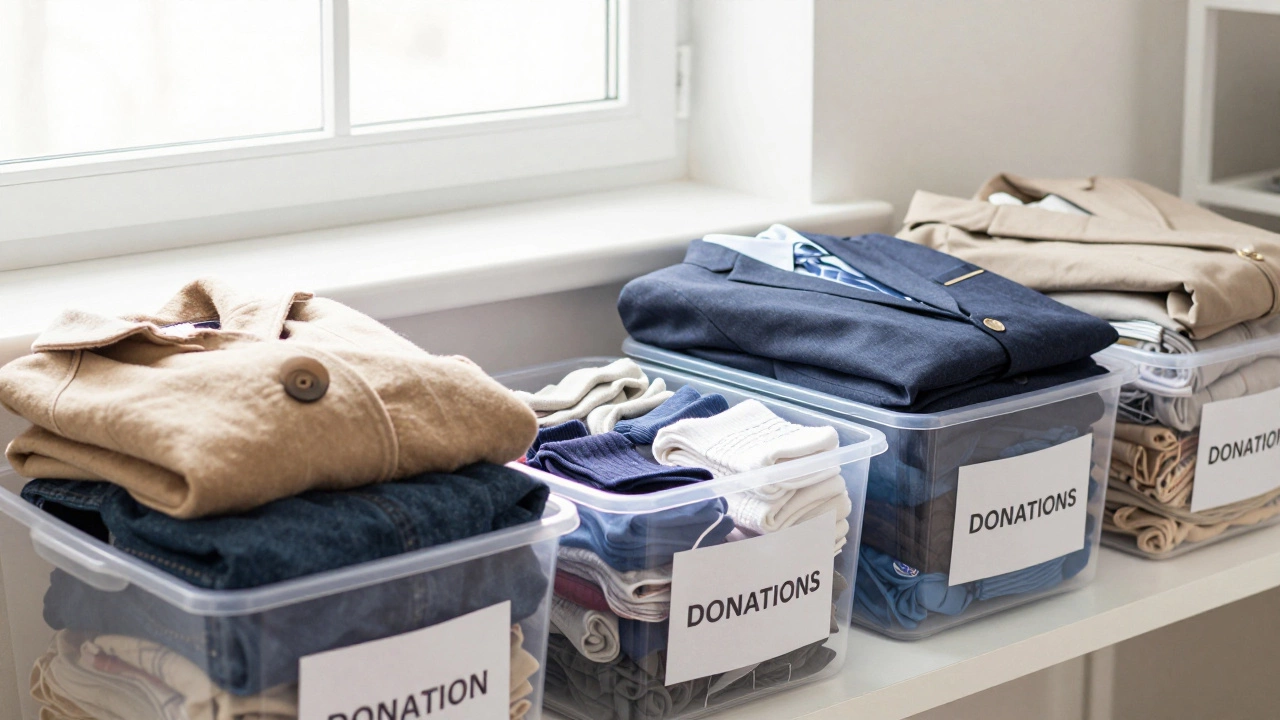
Clothing is the most common donation, but also the most saturated. Here is how to make your textile donations count:
- Seasonal Appropriateness: Donating winter coats in January is helpful. Donating them in December means they sit in storage until needed. Check local seasons. In Wellington, windproof layers are always useful year-round.
- Professional Attire: Organizations like Career Gear programs that provide work attire to job seekers or local women’s shelters desperately need suits, blazers, and dress shoes. These items are expensive to replace for someone entering the workforce.
- New Undergarments and Socks: Most thrift stores do not resell used underwear or socks due to hygiene concerns. However, homeless shelters and crisis centers distribute new pairs daily. Buy packs of plain white socks and basic undergarments specifically for donation.
- School Uniforms: Many schools and charities run uniform exchange programs. Clean, gently used polo shirts and slacks can save families hundreds of dollars per term.
Avoid donating clothing with pet hair, strong odors (smoke or mildew), or significant damage like holes in the knees or missing buttons. These items require labor to clean or repair, which volunteers may not have time for.
Household Goods: Furniture and Appliances
Furniture and large appliances are high-value donations because they allow families setting up a new home to furnish it cheaply. However, logistics are key.
| Item Category | Accepted Conditions | Common Rejections |
|---|---|---|
| Small Appliances | Clean, fully functional, with cords and manuals if possible. | Burnt-out motors, cracked glass, missing plugs. |
| Furniture | Sturdy wood or metal frames, clean upholstery, no structural wobble. | Upholstered items with stains/tears, particle board that is falling apart, mattresses (due to bed bug risks). |
| Kitchenware | Matching sets of plates/cups, unchipped, uncracked. | Single mugs, chipped bowls, Tupperware without lids. |
| Electronics | Working laptops, tablets, phones (data wiped). Some e-waste recyclers accept broken ones. | Old CRT monitors, broken printers, cables without ends. |
Note that mattresses and upholstered furniture are frequently rejected by standard thrift stores due to health regulations regarding bed bugs and dust mites. For these items, look for specialized furniture banks or recycling programs rather than general charity drop-offs.
Food Donations: Feeding People Safely
Food banks are the backbone of hunger relief, but they cannot accept homemade goods or open packages. Safety is paramount.
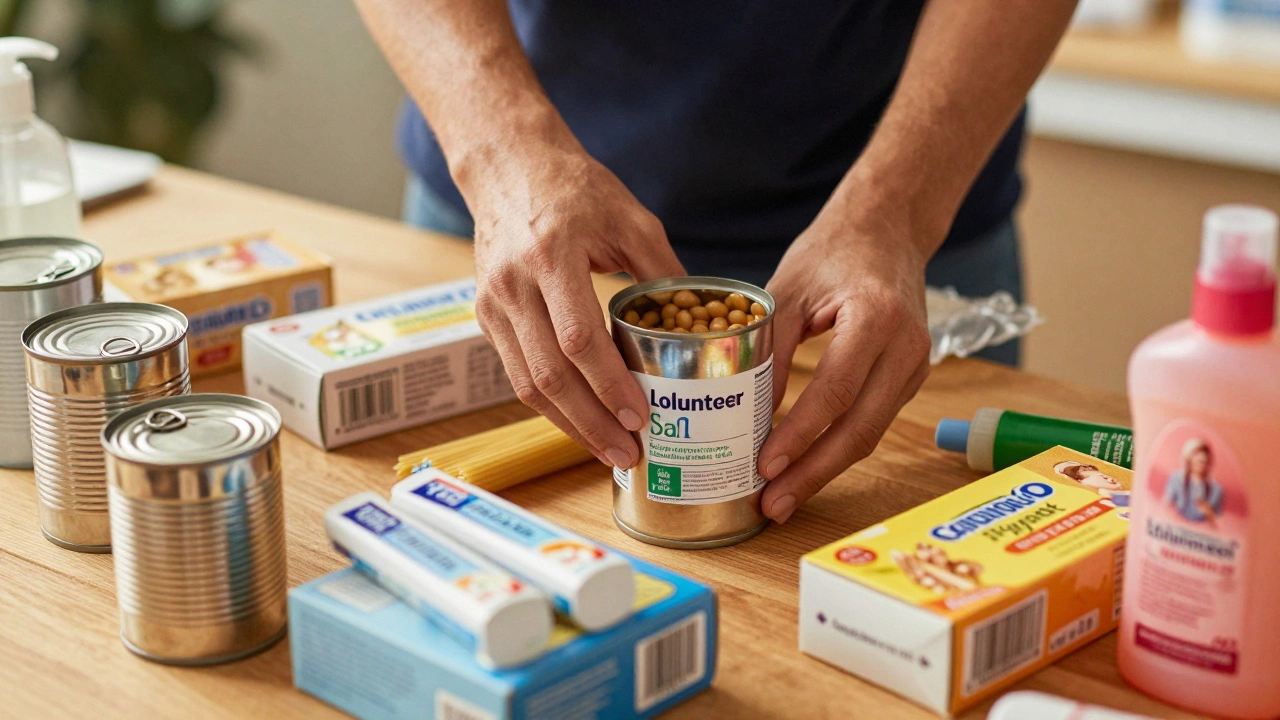
Focus on "shelf-stable" items. Canned vegetables, beans, and fruits are staples. However, modern food banks also report high demand for:
- Pantry Staples: Rice, pasta, flour, sugar, and cooking oil.
- Comfort Foods: Instant noodles, soup mixes, and baking ingredients. These help families create meals that feel normal during hard times.
- Baby Supplies: Formula, diapers, and baby wipes. These are expensive for low-income parents and are often donated as cash-equivalent value.
- Hygiene Products: Toothpaste, soap, shampoo, and feminine hygiene products. Many food pantries now operate as "grocery stores" where dignity is maintained, and hygiene items are essential for health and employment readiness.
Always check expiration dates. If an item expires within three months, it is likely too soon for distribution. Food banks prioritize items with at least six months of shelf life remaining.
Financial Contributions: Why Cash Often Wins
It feels personal to hand over a physical object, but cash is the most versatile donation. When you give money, the charity can purchase exactly what is needed in bulk, often at a discount. For every $100 you donate in cash, a charity might buy $150 worth of rice and beans through wholesale contracts. You simply cannot replicate that efficiency with individual grocery bags.
If you prefer to give tangible assets, consider Stock Donations transferring shares to a charity instead of selling them first. In many jurisdictions, including New Zealand, donating appreciated stock can be tax-efficient. You avoid capital gains tax on the increase in value, and the charity receives the full market value. Consult a tax advisor to understand the specific implications for your situation.

Intangible Gifts: Time and Expertise
Not everyone has extra things to give, and that is okay. Your time and skills are valuable currency.
General volunteering-sorting boxes or serving meals-is vital. But specialized skills are often overlooked. Do you know how to fix computers? Offer to refurbish tech for a digital literacy program. Are you good at writing? Help a small nonprofit draft grant proposals or newsletters. Legal professionals can offer pro bono advice on compliance. Teachers can tutor children in after-school programs.
This type of giving, often called "skill-based volunteering," addresses capacity gaps that money alone cannot fix. It builds long-term sustainability for the organization.
Where to Drop Off Your Donations
Knowing *what* to give is half the battle; knowing *where* takes it is the other. Here are common channels:
- Local Thrift Stores: Salvation Army, Vinnies St Vincent de Paul Society, a Catholic charity providing poverty relief, and independent community shops. Call ahead to confirm hours and accepted items.
- Food Banks: Organizations like Community Food Connection a network supporting food banks across New Zealand coordinate distribution. They often have specific collection points.
- Shelters: Homeless shelters usually have urgent needs for toiletries, warm clothing, and bedding. Contact them directly to schedule a drop-off, as they may have limited storage space.
- Online Platforms: Apps like Freecycle or Facebook Marketplace groups allow you to list items for pickup. This is ideal for bulky furniture that charities cannot transport.
Preparing Your Donation
Make it easy for the receiver. Sort items by category. Put all books together, all clothes together, and all kitchenware together. If you are donating clothes, fold them neatly. If you are donating dishes, wrap fragile items in newspaper. Label boxes clearly. A well-organized donation respects the volunteer's time and ensures your gift gets processed quickly.
Finally, remember that giving is a continuous practice, not a one-time event. Start small. Clear out one drawer. Buy one extra pack of toothpaste. Over time, these small acts build a habit of generosity that truly supports your community.
Can I donate used mattresses to charity?
Generally, no. Most mainstream charities and thrift stores do not accept used mattresses due to strict health and safety regulations regarding bed bugs, dust mites, and sanitation. Look for specialized mattress recycling programs or furniture banks that have specific protocols for sanitizing and redistributing bedding.
What happens to donations that are not in good condition?
Items that are broken, stained, or unsafe cannot be sold or distributed. They must be disposed of. This costs the charity money in landfill fees and labor. By donating only high-quality items, you prevent your gift from becoming a financial burden on the organization.
Is it better to donate cash or goods?
Cash is often more effective because charities can buy supplies in bulk at discounted rates and purchase exactly what is needed at that moment. However, goods are essential for immediate, tangible needs like winter coats or specific hygiene products. A mix of both is ideal.
Can I donate homemade food to a food bank?
No. Food banks cannot accept homemade food due to liability and health safety concerns regarding contamination and allergens. Stick to commercially packaged, unopened, non-perishable items with clear ingredient labels and expiration dates.
How do I find out what my local shelter needs most?
Call or email the shelter directly. Needs change seasonally and based on current demographics. For example, a shelter might urgently need men's size 12 shoes in winter but have a surplus of blankets. Direct communication ensures your donation fills a genuine gap.