Natural Environment: What It Is, Why It Matters, and How You Can Help
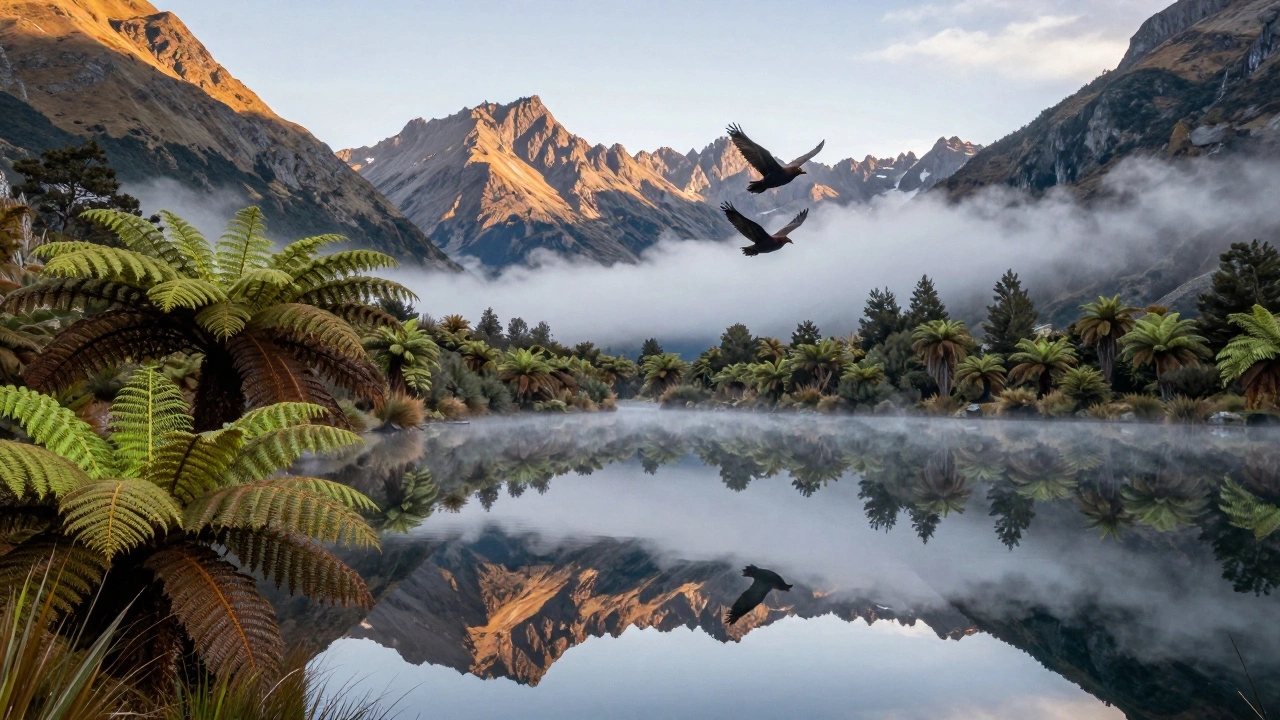
When we talk about the natural environment, the sum of all living and nonliving things that interact in a given area, including air, water, soil, plants, and animals. Also known as the ecosystem, it’s not just scenery—it’s the foundation of every human need, from clean water to the air we breathe. You can’t buy a replacement for a healthy forest, a clean river, or fertile soil. Once they’re gone, they’re gone for good—or at least, not in our lifetime.
The natural environment breaks down into two main groups: biotic, living things like trees, birds, insects, and bacteria, and abiotic, nonliving parts like sunlight, rocks, water, and temperature. These don’t just coexist—they depend on each other. Trees absorb carbon dioxide and release oxygen. Rainwater soaks into soil, feeding plants that feed animals. Microbes break down dead matter and turn it into nutrients. Remove one piece, and the whole system stumbles. That’s why cutting down forests, dumping plastic, or polluting rivers isn’t just "bad for nature"—it’s bad for you. It affects your food, your water, even your mental health.
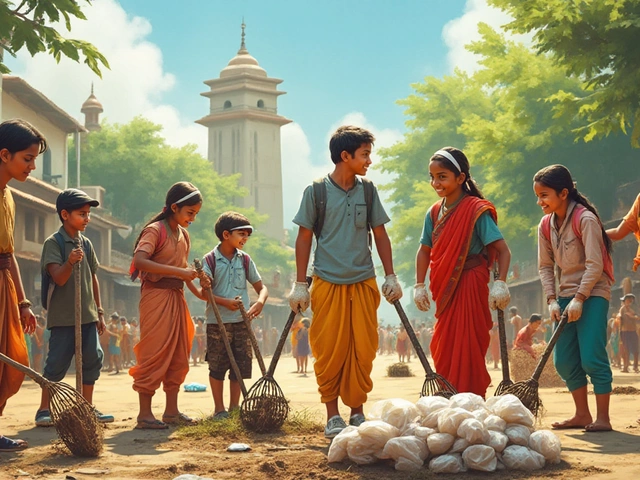
People often think protecting the natural environment means joining big protests or donating to global charities. But real change starts smaller: planting native trees in your yard, picking up litter near a stream, or supporting local groups that restore wetlands. The environmental services, the practical benefits nature provides, like pollination, flood control, and air purification are already working for you—every day. You just don’t notice them until they’re gone. That’s why the most effective environmental work isn’t always loud. Sometimes it’s quiet: a school club planting mangroves, a volunteer-run community garden, a charity that tracks local wildlife instead of raising millions.
What you’ll find below isn’t a list of generic "save the planet" advice. It’s a collection of real stories, clear explanations, and practical insights from people who’ve seen what happens when the natural environment is ignored—and what happens when people step in. You’ll learn why some environmental charities actually deliver results, how schools are turning students into nature stewards, and why the biggest threat to nature isn’t some distant corporation—it’s our own daily choices. This isn’t about guilt. It’s about awareness. And action.
10 February 2026
Elara Greenwood
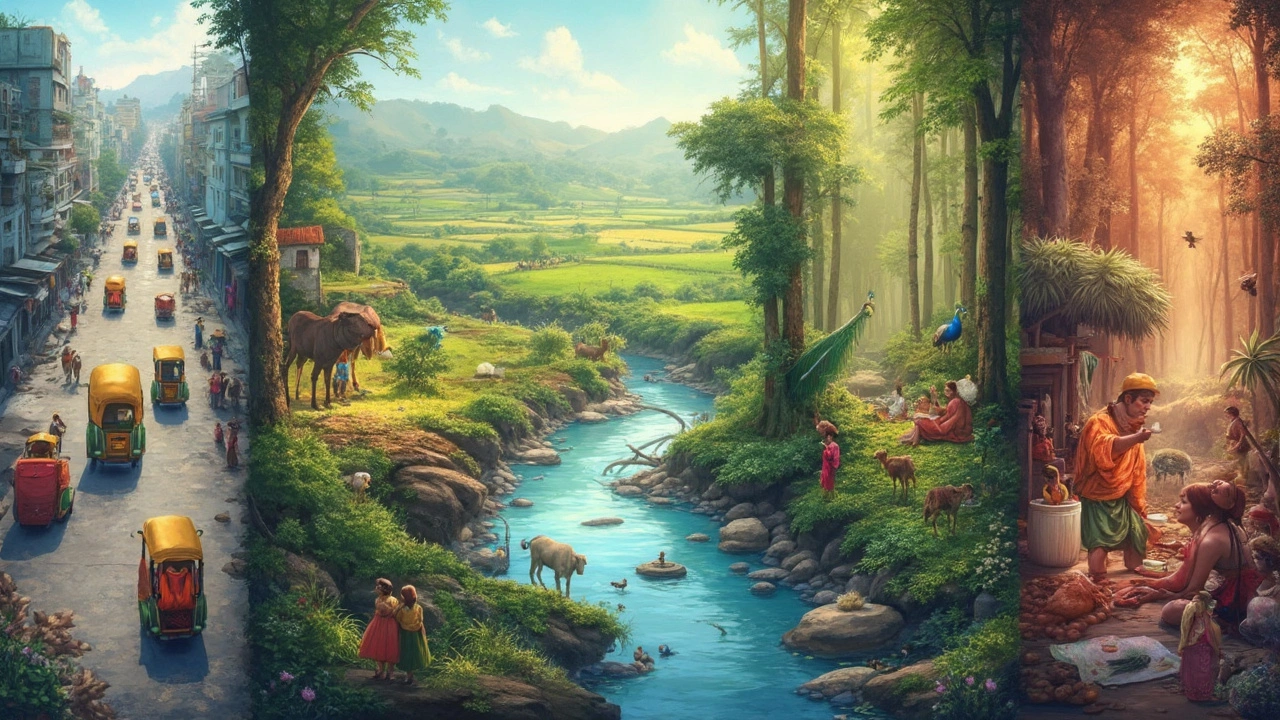
The environment is grouped into three key categories: natural, built, and social. Each affects how we live, health, and sustainability. Understanding them helps make smarter choices for communities and ecosystems.
Continue Reading...
21 April 2025
Elara Greenwood
Ever wondered what the different types of environments are and how they impact your life? This article breaks down the five main types, with easy explanations and practical examples. Get to know not just the basics but also some interesting facts and tips to help you become more environmentally aware. Learn how these environments shape everything from your daily routine to the bigger world around us. You might see your surroundings in a new light after reading this.
Continue Reading...