Built Environment: How Human Spaces Shape Community and Nature
When we talk about the built environment, the human-made surroundings that provide the setting for human activity, ranging from buildings and parks to roads and public transit systems. Also known as human-made environment, it’s not just concrete and steel—it’s the invisible force shaping how we interact, move, and even feel. Think about your neighborhood: the walkability of sidewalks, the access to green space, whether the local school has a safe entrance, or if the bus stop is sheltered and lit. These aren’t small details. They’re part of the built environment—and they determine whether people actually show up, stay connected, or feel like they belong.
The built environment doesn’t just affect convenience—it affects health, equity, and even climate resilience. A well-designed park isn’t just a place to sit; it’s a community hub that reduces isolation, encourages physical activity, and cools down urban heat. A bike lane isn’t just infrastructure; it’s a statement that people matter more than cars. And a community center built with local input? That’s not just a building—it’s a tool for empowerment. Groups working on urban planning, the process of designing and regulating the use of land and the built environment, including transportation, housing, and public spaces know this. So do nonprofits running community spaces, physical locations like libraries, playgrounds, and meeting halls that serve as gathering points for residents. They’re not just fixing broken sidewalks—they’re rebuilding trust.
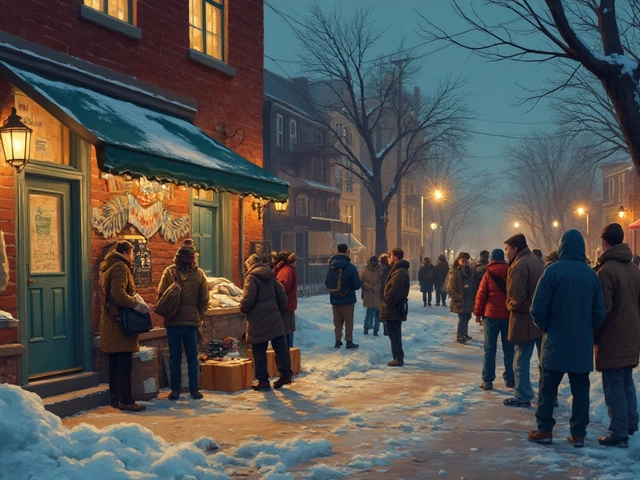
What you’ll find here isn’t a list of abstract theories. It’s real work: how volunteers turned an empty lot into a youth garden, how a school club used local history to redesign their own courtyard, why charity shops thrive in walkable neighborhoods, and how food programs depend on accessible transit routes. These stories all tie back to one thing: the built environment either helps people—or holds them back. And the people making a difference? They’re not waiting for government approval. They’re grabbing shovels, organizing meetings, and asking their neighbors what they need. This collection is full of those voices. You’ll see how small changes in space lead to big changes in lives. And maybe, just maybe, you’ll find a way to help shape the next corner of your own community.
10 February 2026
Elara Greenwood
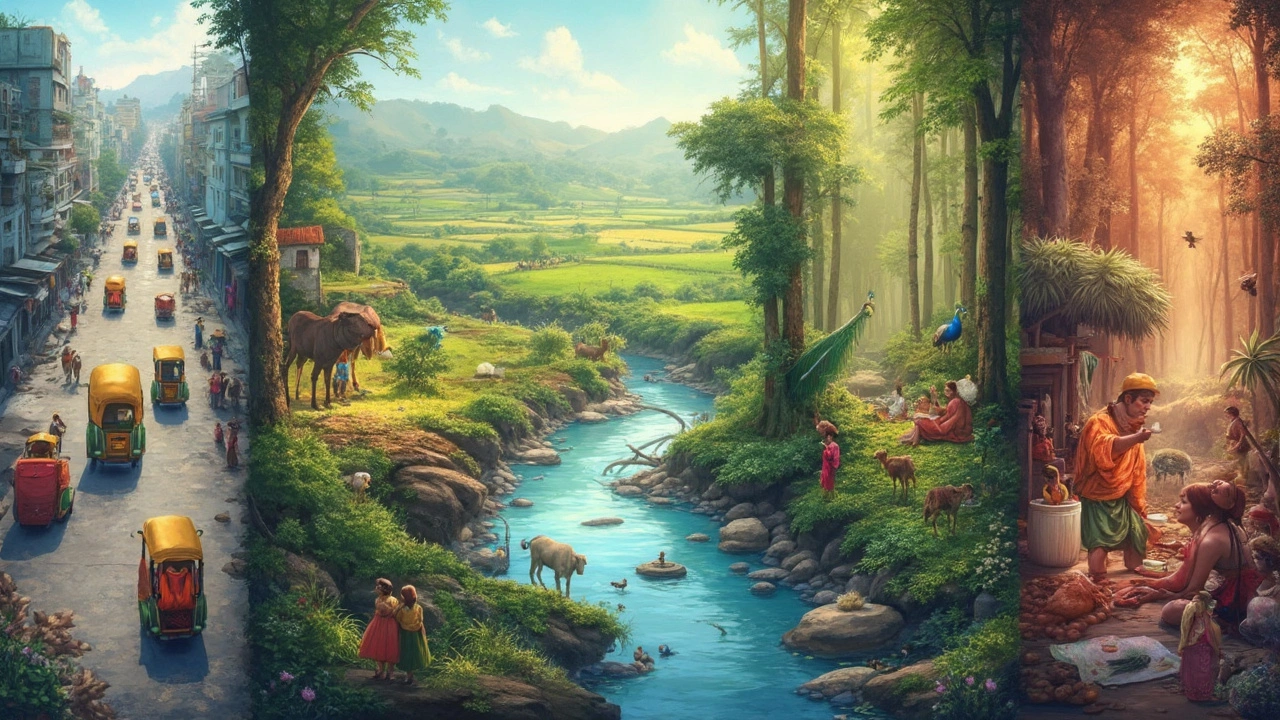
The environment is grouped into three key categories: natural, built, and social. Each affects how we live, health, and sustainability. Understanding them helps make smarter choices for communities and ecosystems.
Continue Reading...
21 April 2025
Elara Greenwood
Ever wondered what the different types of environments are and how they impact your life? This article breaks down the five main types, with easy explanations and practical examples. Get to know not just the basics but also some interesting facts and tips to help you become more environmentally aware. Learn how these environments shape everything from your daily routine to the bigger world around us. You might see your surroundings in a new light after reading this.
Continue Reading...