Volunteering Impact Calculator
How Much Does Your Time Impact You?
Discover the scientifically-backed benefits of volunteering. Enter your weekly commitment to see how it affects your mental wellbeing.
Your Volunteer Impact Report
Based on your weekly commitment:
The real benefit isn't just helping others—it's the transformation you experience when you show up for something bigger than yourself.
When you think about volunteering, you probably picture someone helping others-serving meals at a shelter, tutoring kids, or cleaning up a park. It’s easy to assume the person receiving the help is the main beneficiary. But here’s the truth: the volunteer often walks away with more than they give.
The Hidden Gains of Volunteering
Volunteering isn’t just charity. It’s a two-way street, and the giver frequently ends up with deeper rewards. Studies from the Corporation for National and Community Service show that people who volunteer regularly report lower stress levels, improved mood, and even reduced risk of depression. That’s not a side effect-it’s a direct outcome. When you show up to sort donations at a food bank or walk dogs at an animal shelter, your brain releases oxytocin and serotonin. These aren’t just fancy words-they’re the same chemicals that make you feel good after a workout or a hug.
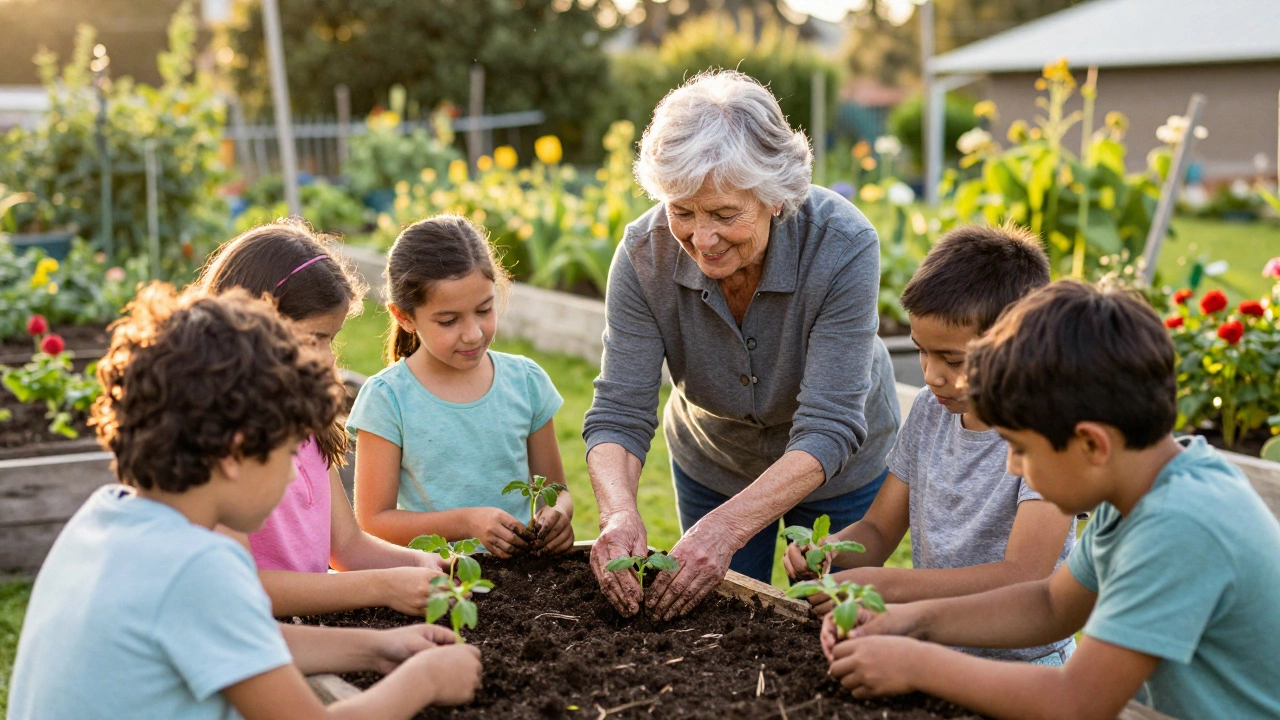
One woman in Wellington, Maria, started volunteering at a community garden after her retirement. She didn’t expect to feel more alive. But within months, she was waking up excited. She learned to grow tomatoes, made friends with people half her age, and even started teaching kids how to plant seeds. "I thought I was giving time," she told me. "Turns out, I was getting back years I didn’t know I’d lost."
Skills You Don’t Learn in a Classroom
Volunteering builds skills no resume can fake. Leading a team of teens to paint a community center? That’s project management. Organizing a donation drive? That’s logistics and budgeting. Answering phones at a crisis hotline? That’s active listening and emotional resilience. These aren’t fluffy buzzwords-they’re real, transferable abilities.
A 2024 survey by Volunteer New Zealand found that 68% of volunteers said they gained confidence in public speaking, and 57% reported improved problem-solving skills. One man, James, who’d been unemployed for two years, started helping at a local tech repair hub. He fixed broken laptops for seniors. Within six months, he’d learned enough to pass a certification exam. He got hired as a junior IT support worker. His volunteering didn’t just fill his time-it rebuilt his career.

Connections That Last Longer Than a Job
Loneliness is one of the biggest health risks in modern society. Volunteering fights it. When you show up week after week, you don’t just do a task-you build relationships. You learn names, stories, routines. You become part of a rhythm that keeps you grounded.
In Wellington, the Pacific Islander community runs a weekly food-sharing program. Volunteers don’t just hand out meals-they sit down and eat with the guests. Many volunteers say they’ve formed friendships that feel more real than those at work. One volunteer, a nurse named Tama, said, "I’ve met people who’ve survived war, loss, migration. They didn’t need my help to survive. They taught me how to live."
Who Gets Help? Yes, But Also Who Gets Healed?
Of course, the people being served benefit too. A child gets homework help. A homeless person gets a warm meal. A tree gets planted. These things matter. But the idea that the volunteer is just a tool for helping others misses the bigger picture. The real transformation often happens inside the volunteer.
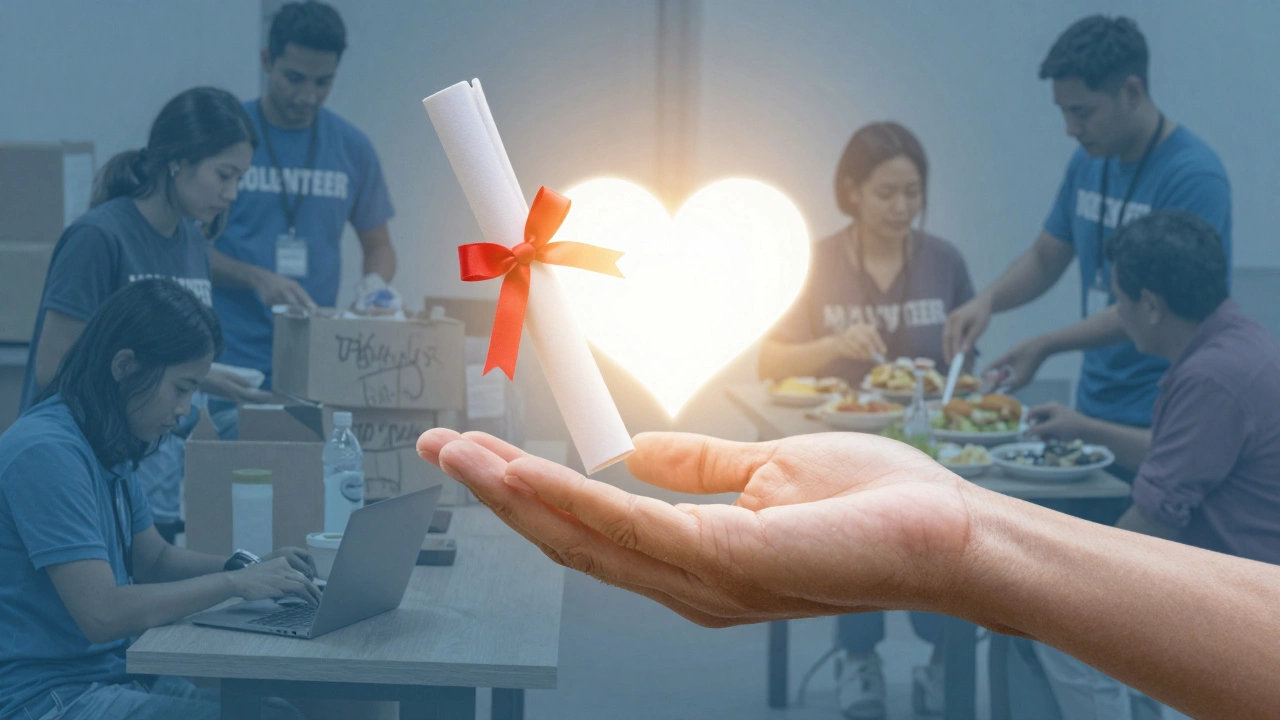
Think about it: when you give your time, you’re not just giving away hours. You’re choosing to show up for something bigger than yourself. That choice rewires your sense of purpose. It reminds you that your actions have weight. That’s not something you get from a paycheck or a social media like.
Research from the University of Michigan found that people who volunteered at least once a month were 30% more likely to report feeling a strong sense of purpose in life. Purpose isn’t a luxury. It’s a survival tool. It’s what keeps people moving after a breakup, a layoff, or a loss.
It’s Not About Who Needs Help-It’s About Who Needs to Give
Volunteering isn’t a one-sided gift. It’s a mutual exchange. The shelter needs food. The child needs tutoring. But the volunteer? They need connection. They need meaning. They need to remember they’re still capable of making a difference.
Too often, we frame volunteering as "helping the less fortunate." That language puts the volunteer on a pedestal and the recipient below. It’s not true. Both sides are human. Both sides are changed.
One of the most powerful moments I’ve seen happened at a youth center in Lower Hutt. A teenager who’d been kicked out of three schools started volunteering to help younger kids with reading. At first, he just showed up to get out of the house. But slowly, he started caring. He remembered names. He stayed late. He cried when one kid finally read a whole book. The kid’s progress? Huge. But the teen’s transformation? Even bigger. He went from invisible to essential. He found his voice-and he didn’t even know he’d lost it.
Who Benefits More?
Here’s the answer: everyone. But if you’re asking who benefits more, it’s the person who shows up. Not because they’re better, but because they’re the one doing the giving. Giving changes you. It opens doors you didn’t know were closed. It reminds you who you are when no one’s watching.
You don’t need to be perfect. You don’t need to have all the time in the world. You just need to show up. Once. Then again. Then again.
The world needs your hands. But your soul? It needs your presence.
Do I need special skills to volunteer?
No. Most organizations train volunteers on the spot. Whether it’s sorting clothes, answering phones, or helping at a garden, you’ll learn as you go. The most important thing is willingness, not expertise.
Can volunteering help me find a job?
Yes. Many employers value volunteer experience because it shows initiative, teamwork, and reliability. In fact, a 2023 study found that 41% of hiring managers were more likely to interview someone with volunteer experience, even if their resume was weaker. Volunteering fills gaps, builds confidence, and gives you real stories to tell in interviews.
What if I don’t have much time?
You don’t need hours. Even one hour a month makes a difference. Many organizations offer flexible options: one-time events, weekend shifts, or remote tasks like writing letters or designing flyers. Small commitments add up-and they still change lives, including your own.
Is volunteering only for young people or retirees?
No. People of all ages volunteer-from high school students to working professionals to seniors. In fact, working adults are the fastest-growing group of volunteers in New Zealand. If you’re busy, look for micro-volunteering: short, focused tasks that fit into your schedule.
Can volunteering make me happier?
Yes. Multiple studies confirm that regular volunteering improves mental health. It reduces stress, combats loneliness, and gives you a sense of purpose. You don’t need to save the world. Just showing up for someone else often helps you feel like you’re finally showing up for yourself.
If you’re wondering whether to volunteer, stop asking who benefits. Start asking: who are you becoming?