Long before social media, people gathered in person to talk, share, and build something bigger than themselves. Social clubs weren’t just places to hang out-they were the backbone of daily life for millions. In the 1800s and early 1900s, if you wanted to find work, get help after a loss, learn a skill, or even find a spouse, you didn’t search online. You walked into your local club.
Where People Found Work and Support
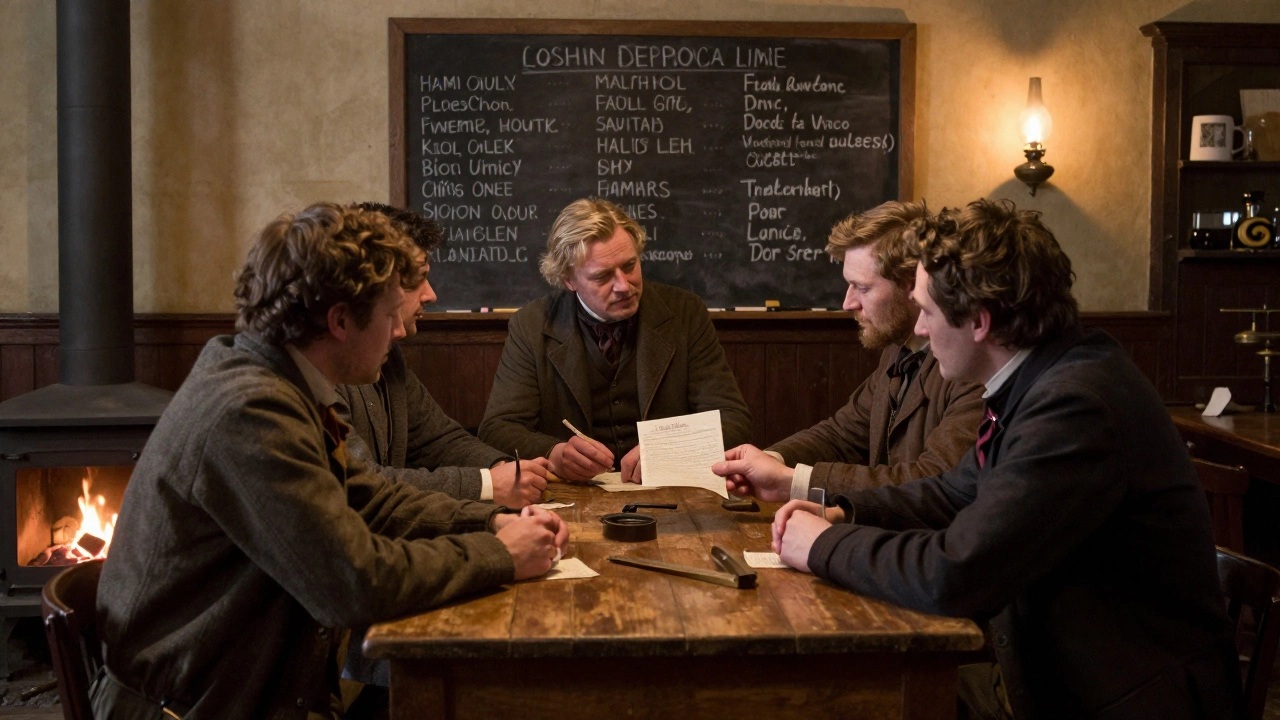
For working-class families, social clubs often doubled as job networks. A carpenter in Liverpool didn’t post a resume on LinkedIn. He showed up at the Masonic Lodge on Tuesday nights. If someone needed a good craftsman, they asked around-and the lodge keeper knew who was reliable. These clubs kept trades alive by connecting skilled workers with steady jobs. In industrial towns, clubs like the Working Men’s Club in England didn’t just serve beer. They offered unemployment aid, funeral funds, and even low-interest loans when banks wouldn’t touch working-class folks.
Learning Skills Outside School
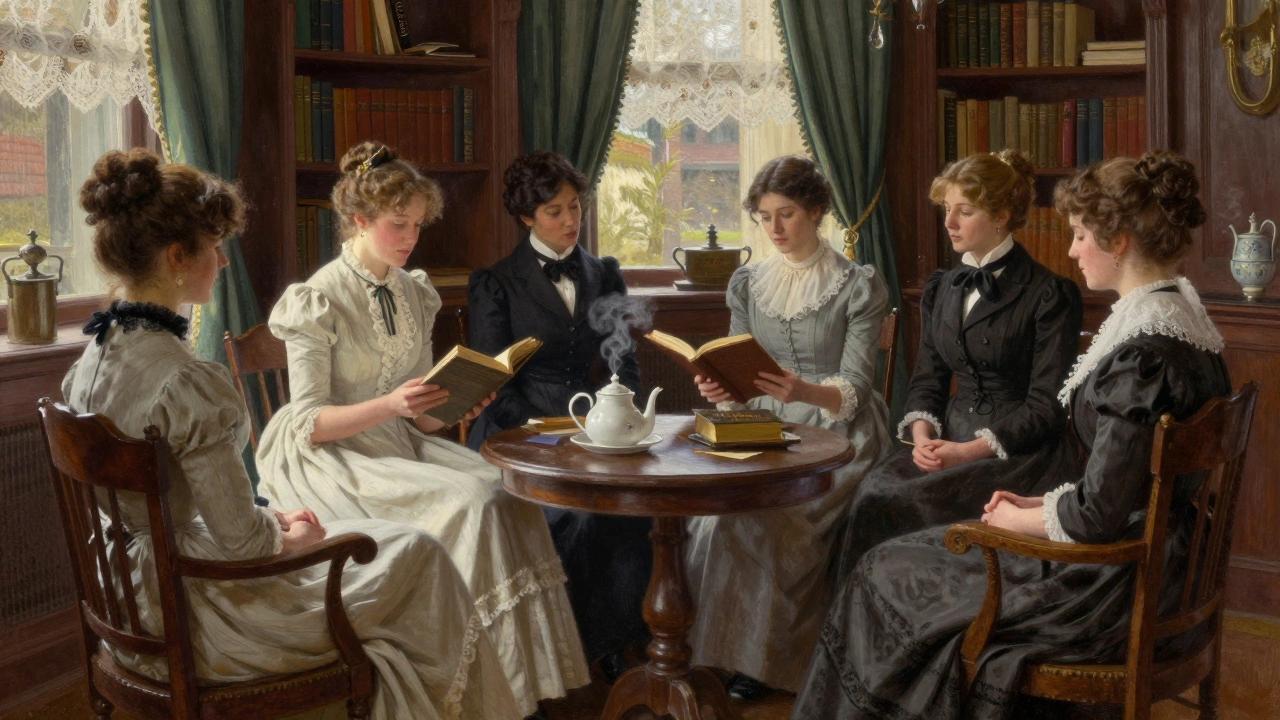
Not everyone had access to formal education. Social clubs filled that gap. In Boston, the Ladies’ Literary Club in the 1850s gave women a place to read Shakespeare, debate politics, and write essays-even though they couldn’t vote. In New Zealand, Māori and Pākehā communities ran similar groups where elders taught traditional weaving, storytelling, and land stewardship. These weren’t fancy classes. They were weekly gatherings with tea, a circle of chairs, and a shared goal: to pass knowledge forward.
Building Trust in a Changing World
As cities grew, neighborhoods became anonymous. Social clubs stopped that. In Chicago during the 1920s, immigrant families from Poland, Italy, and Greece formed clubs based on their homelands. They didn’t just celebrate food and music. They helped newcomers find housing, translated documents, and stood up for each other when landlords or employers tried to take advantage. These clubs were the first line of defense against isolation. People didn’t just belong to a club-they belonged to each other.
Political Power in Plain Sight
Before unions became official, social clubs were where workers organized. In New Zealand, the Temperance Movement didn’t start in parliament. It began in church basements and local clubs where women gathered to talk about alcohol’s impact on families. These meetings led to petitions, public rallies, and eventually, laws restricting liquor sales. The same pattern happened in the U.S. with labor clubs that grew into unions. You didn’t need a protest sign to make change-you just needed a room, a chair, and enough people willing to show up.
More Than Just a Place to Hang Out
Yes, people did play cards, dance, and drink at these clubs. But calling them just “social” misses the point. A club in Cardiff wasn’t just a pub with a dartboard. It was where a widow got help paying her rent after her husband died. It was where a teenager learned how to fix a bicycle because no one else in the neighborhood knew how. It was where two strangers became friends because they both lost their jobs on the same day and needed someone to talk to.
These spaces weren’t built for fun. They were built because people needed each other. In a world without welfare systems, public libraries, or unemployment insurance, social clubs were the safety net. They didn’t wait for government help. They created their own.
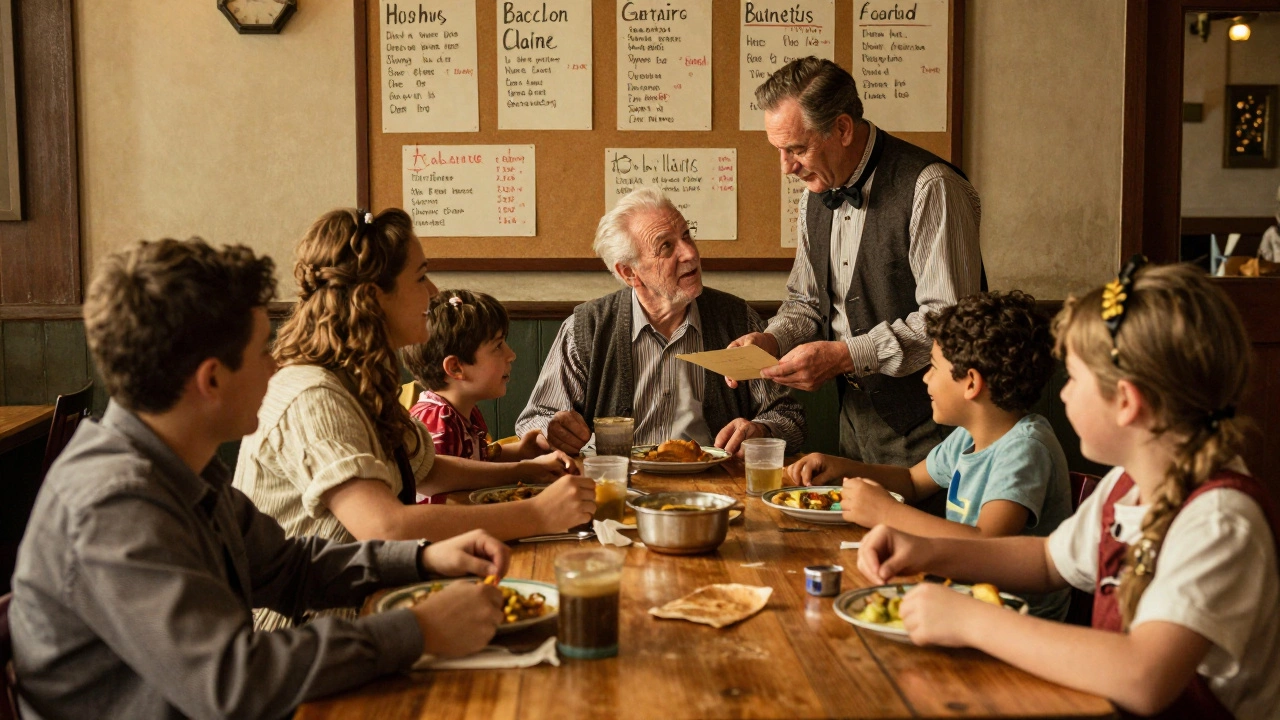
Why They Faded-and What We Lost
After World War II, things changed. Government programs stepped in. Social security, public housing, and free education took over some of the roles clubs once held. Cars made it easier to drive to distant places instead of staying local. TV and later, the internet, gave people alternatives to gathering in person.
But something broke. Studies in the 2010s found that people who grew up in neighborhoods with strong club cultures were more likely to trust their neighbors, volunteer, and stay involved in local issues. Places that lost their clubs saw rising loneliness, especially among older adults. The decline wasn’t just about buildings closing. It was about losing the rhythm of regular human connection.
Clubs Still Exist-Just Different
You’ll still find them today, though they look different. In Wellington, there’s a knitting circle that started in a community center and now meets in three suburbs. In Auckland, a group of retirees runs a weekly repair café where people bring broken appliances-and learn how to fix them together. These aren’t nostalgia projects. They’re responses to real problems: isolation, waste, and the loss of hands-on skills.
The old clubs didn’t vanish. They evolved. The core idea remains: people need to gather, not just to talk, but to do something together. Whether it’s planting trees, fixing bikes, or teaching kids to cook, the purpose hasn’t changed. It’s still about belonging.
What We Can Learn Today
Modern life makes it easy to feel alone-even when we’re surrounded by people. Social media gives us likes, but not legacies. We scroll through feeds, but rarely sit in a circle and share a meal. The old clubs remind us that community isn’t built in a tweet. It’s built in small, repeated actions: showing up, listening, helping without being asked.
There’s no need to recreate the exact clubs of the 1900s. But we can borrow their spirit. Start a book swap. Host a tool-sharing day. Organize a neighborhood meal. You don’t need a fancy name or a budget. You just need a room, a few people, and the willingness to show up week after week.
People didn’t join clubs because they were bored. They joined because they needed to be needed.
Were social clubs only for men?
No. While some clubs were male-only, especially in the 1800s, many were created by and for women. In the U.S., the Women’s Christian Temperance Union and the Daughters of Rebekah were powerful women-led clubs that drove social change. In New Zealand, Māori women ran weaving circles and kōhanga reo (language nests) that preserved culture and supported families. Even in industrial towns, women’s clubs managed food banks, organized childcare, and raised money for widows and orphans.
Did social clubs have rules?
Yes, and they were strict. Most clubs had written constitutions. Members paid dues, attended meetings regularly, and followed codes of conduct. Missing three meetings without notice could mean losing your membership. Some clubs banned gambling or drinking on premises. Others required members to help clean the space or bring food for gatherings. These rules weren’t about control-they were about fairness. Everyone contributed, and everyone got something in return.
How did social clubs help immigrants?
They were lifelines. Immigrant clubs often formed around shared language, religion, or homeland. In Toronto, Polish immigrants started a club that helped newcomers find housing, translate legal papers, and learn English. In Australia, Chinese communities ran clubs that provided burial services and sent money back to families overseas. These clubs didn’t just offer comfort-they offered practical survival tools when government services ignored or excluded them.
Why did some social clubs disappear?
A mix of reasons. Government programs took over services like unemployment aid and healthcare. Cars made it easier to travel farther for entertainment. TV and later, smartphones, gave people private ways to relax. Many clubs also struggled to attract younger members who didn’t see the value in weekly meetings. Without new blood, they faded. But in places where clubs adapted-like adding tech workshops or community gardens-they’re still going strong.
Can modern groups replace old social clubs?
They can, but only if they focus on action, not just connection. Online groups are great for sharing ideas, but they rarely build trust the way face-to-face routines do. A book club that meets once a month won’t create the same bonds as a weekly repair group where you learn to fix your toaster alongside someone who helped you move last winter. The best modern equivalents combine regular meetings, shared tasks, and mutual support-not just conversation.