Volunteer Role Matcher
Your Profile
Discover Your Impact
Select your preferences on the left to find the volunteer role that best fits your schedule, skills, and passions.
Recommended Roles
Top MatchesWhy This Matters
Walk down any main street in a mid-sized city today, and you’ll see the same pattern. The coffee shops are busy, the retail stores are hiring, but the food banks have lines that stretch around the block. The shelters are at capacity. The environmental cleanup crews are understaffed. This isn’t just a bad week; it’s the new normal for 2026. Organizations across every sector are facing a paradox: public interest in helping is higher than ever, yet the actual number of available hands on the ground is critically low.
If you are asking yourself, where are volunteers most needed, the answer isn't just one place. It depends on your skills, your location, and how much time you can spare. But if we look at the data from major non-profit networks and government reports released this year, five specific areas stand out as having the deepest gaps between need and supply. These aren't just nice-to-have roles; they are critical functions that keep communities functioning.
The Silent Crisis: Food Insecurity and Distribution
Food insecurity has remained stubbornly high despite economic fluctuations. In many regions, the cost of living crisis means that families who previously never relied on aid are now visiting food pantries for the first time. The demand for groceries, fresh produce, and prepared meals has outpaced the logistical capacity of most charities.
Volunteers are desperately needed in three key areas within the food system:
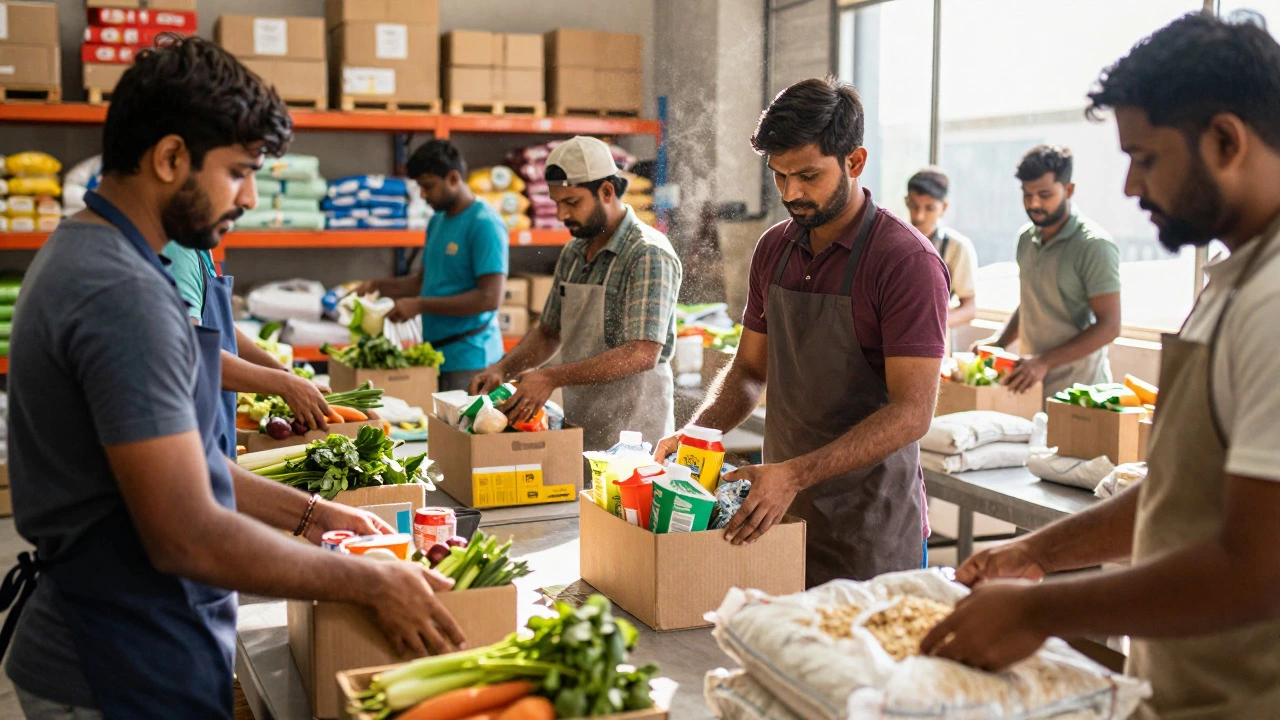
- Sorting and Packing: This is the backbone of food bank operations. Warehouses receive massive donations, often in bulk or near-expiration dates. They need people to sort, inspect, and pack these items into family-sized boxes. It’s physical work, but it requires zero specialized training. A single volunteer shift can prepare enough food for dozens of families.
- Last-Mile Delivery: Many recipients of food aid lack reliable transportation. Volunteers with cars-or even bicycles in dense urban areas-are needed to deliver pre-packed boxes directly to seniors, disabled individuals, and isolated households. This role builds trust and ensures dignity, as recipients don’t have to navigate long queues.
- Garden Maintenance: Urban farms and community gardens are expanding to provide fresh produce. However, they suffer from high burnout rates among core staff. Volunteers are needed to plant, weed, harvest, and compost. This connects people with nature while addressing nutrition gaps.
The barrier to entry here is incredibly low. If you can lift a box of canned goods or drive a small car, you are qualified. The impact is immediate and measurable.
Youth Mentorship and Educational Support
Schools are overwhelmed. Teachers are dealing with larger class sizes and broader learning gaps caused by years of disrupted education. While teachers manage the classroom, they rarely have the bandwidth to provide individualized attention to students who are falling behind or struggling with social-emotional issues.
This is where adult volunteers become a lifeline. Schools and after-school programs are crying out for mentors. You don’t need to be a teacher to help. What they need are consistent adults who can show up once a week to read with a child, help with homework, or simply listen.
| Role Type | Time Commitment | Skills Required | Impact Level |
|---|---|---|---|
| Reading Buddy | 1 hour/week | Patience, literacy | High (Academic confidence) |
| Tutor | 2-3 hours/week | Subject expertise | Very High (Grade improvement) |
| Career Mentor | 1 month/year | Professional experience | Long-term (Career pathing) |
For professionals, offering career mentorship is another high-need area. Young people entering the workforce in 2026 face a confusing job market. They need guidance on resume writing, interview prep, and networking. A few hours of advice from an experienced worker can change the trajectory of a young person’s life. Programs like Big Brothers Big Sisters or local school-based initiatives are always looking for stable, committed adults.
Homelessness Support and Housing Advocacy
The housing crisis has pushed homelessness to record highs in many cities. Shelters are operating beyond capacity, and street outreach teams are stretched thin. Volunteers are needed not just to hand out sandwiches, but to provide comprehensive support that addresses the root causes of homelessness.
Consider these specific needs:
- Intake Assistance: Shelters need help processing new arrivals. This involves paperwork, inventory checks, and providing basic orientation. It’s administrative but crucial for keeping the shelter running smoothly.
- Life Skills Workshops: Individuals experiencing homelessness often struggle with re-entry into society. Volunteers with skills in budgeting, cooking, or digital literacy can teach workshops that empower people to regain independence.
- Advocacy and Policy: Beyond direct service, there is a huge need for volunteers to attend city council meetings, write letters to representatives, and participate in campaigns for affordable housing. This political engagement helps change the systems that create homelessness.
Working in this sector requires empathy and resilience. You will encounter difficult stories. But the presence of a compassionate volunteer can make the difference between someone feeling invisible and feeling seen.

Environmental Restoration and Climate Action
Climate anxiety is real, and so is the damage. From coastal erosion to urban heat islands, environmental degradation affects everyone. Local conservation groups are underfunded and understaffed. They rely heavily on volunteers to execute their projects.
In 2026, the focus has shifted from simple litter picks to more scientific restoration efforts. Volunteers are needed for:
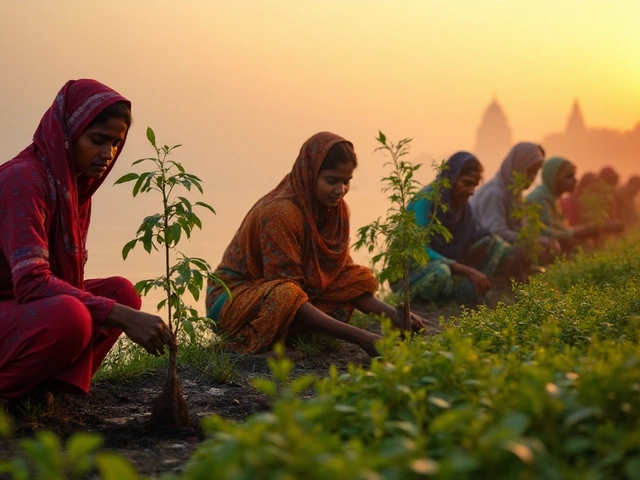
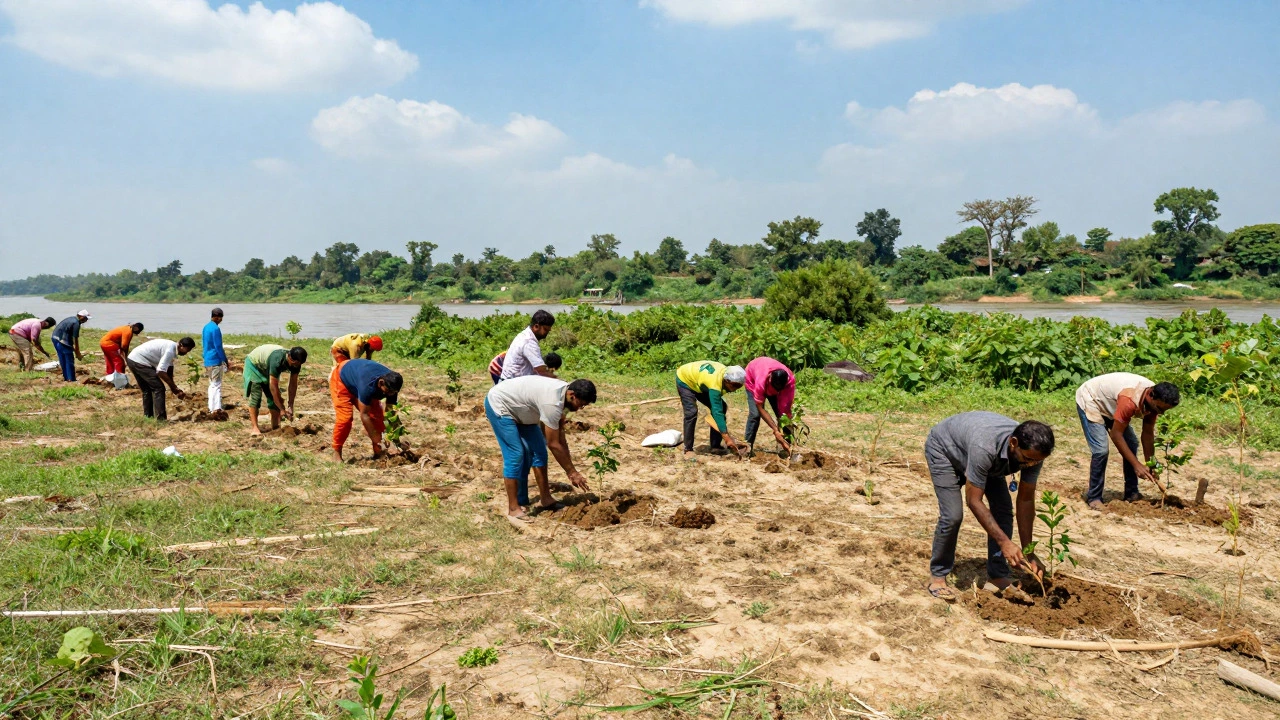
- Native Planting: Restoring local ecosystems requires planting native species that support biodiversity. This is labor-intensive work that machines cannot easily replicate.
- Data Collection: Citizen science projects need people to count bird populations, test water quality, or monitor invasive species. This data helps scientists understand environmental changes and allocate resources effectively.
- Disaster Response: As extreme weather events become more frequent, community emergency response teams (CERT) need trained volunteers to assist during floods, fires, and storms. Training takes time, but the payoff is immense community safety.
If you enjoy being outdoors and want to leave a tangible mark on your environment, this is a powerful way to contribute. Plus, it’s great exercise.
Elder Care and Social Connection
We are aging rapidly. The demographic shift means there are more elderly people than ever before, and fewer family members available to care for them. Loneliness is a public health crisis among seniors, linked to higher rates of depression, dementia, and mortality.
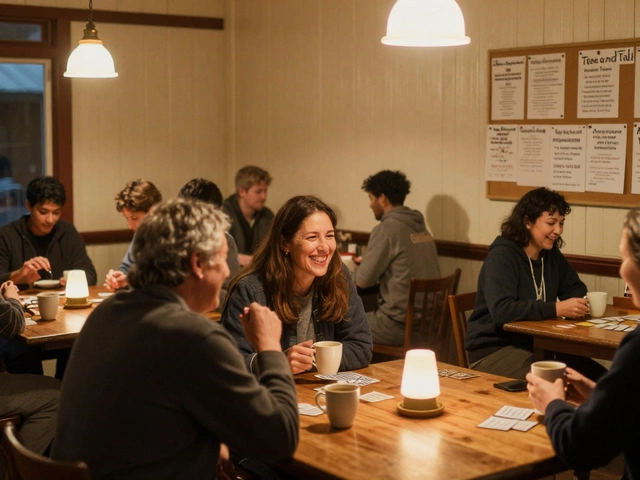
Hospitals, nursing homes, and senior centers are desperate for visitors. You don’t need medical training to sit with an elderly person, play cards, or listen to their stories. These interactions combat isolation and improve mental well-being.
Additionally, home-care agencies need volunteers to assist with non-medical tasks. This might include grocery shopping, light housekeeping, or accompanying seniors to doctor appointments. For many older adults, these small acts of kindness are the only contact they have with the outside world.
How to Choose the Right Opportunity
Facing such widespread need can feel overwhelming. How do you decide where to give your time? Start by auditing your own resources. Ask yourself three questions:
- What are my skills? Do you have professional expertise (law, marketing, IT) that non-profits can use pro bono? Or do you prefer manual labor?
- How much time can I commit? Be honest. One hour a month is better than none, but some roles require consistency. Don’t overpromise and burn out.
- What moves me? Passion sustains commitment. If you hate animals, don’t volunteer at a shelter. If you love kids, go to a school.
Once you’ve identified your preferences, look locally. National organizations are important, but local charities often have deeper roots and more immediate needs. Use platforms like VolunteerMatch, Idealist, or local community boards to find opportunities. Attend an open house or info session before committing. Meet the staff, ask about their biggest challenges, and see if the culture feels right.
Avoiding Common Pitfalls
Volunteering is rewarding, but it’s not without challenges. One common mistake is "voluntourism"-short-term trips abroad that prioritize the volunteer’s experience over the community’s needs. Stick to local or long-term commitments where possible. Another pitfall is assuming you know what’s best. Listen to the people you’re serving. Let the organization guide you on what they actually need, rather than imposing your own ideas.
Burnout is also real. Set boundaries. Take breaks. Remember that self-care enables care for others. If you’re exhausted, you won’t be effective. Treat your volunteer role with the same respect as a paid job: show up on time, communicate clearly, and follow through.
Where can I volunteer if I have no free time during the day?
Look for evening or weekend shifts. Many food banks, shelters, and animal rescues operate late. Additionally, consider remote volunteering, such as tutoring online, managing social media for a charity, or doing data entry from home. These flexible options allow you to contribute without disrupting your daily schedule.
Do I need special qualifications to volunteer?
Most general volunteer roles require no special qualifications. Basic background checks are common, especially for roles involving children or vulnerable adults. Specialized roles like tutoring or legal aid may require relevant degrees or certifications, but organizations often provide training for other positions.
How do I find volunteer opportunities in my local area?
Start with online aggregators like VolunteerMatch or Idealist. You can also check websites of local libraries, community centers, and religious institutions. Directly contacting non-profits whose missions resonate with you is also effective. Many organizations post volunteer needs on their social media pages.
Is volunteering tax-deductible?
In many countries, including the US and New Zealand, out-of-pocket expenses incurred while volunteering (like mileage or supplies) may be tax-deductible. However, your time itself is not deductible. Keep detailed records of all expenses and consult a tax professional for specific advice based on your jurisdiction.
Can volunteering help me get a job?
Absolutely. Volunteering fills employment gaps, demonstrates initiative, and allows you to develop new skills. It also expands your network. Employers value candidates who show community engagement. Highlight your volunteer experience on your resume, focusing on transferable skills and achievements.