Volunteer Engagement Estimator
Explore how volunteer rates change when we include informal help. Select a demographic group to see their estimated participation levels based on recent CNCS and Current Population Survey data.
Select Demographic
Formal stats often miss neighborly care, church-based aid, and family support common in many communities.
Analysis for White American
Volunteering through registered non-profits or organizations.
Insight
While White Americans have high access to corporate-sponsored volunteer days, Black and Latino communities often rely on peer-to-peer support systems that don't require a non-profit intermediary.
You might assume that people with the most free time volunteer the most. Or maybe you think it’s the wealthiest who give back the most because they have the resources to spare. But when you look at the actual data from the Corporation for National and Community Service (CNCS) and the Current Population Survey, a different picture emerges. The answer to "what race volunteers the most" isn't just about who has the most hours logged; it's about how we define volunteering in the first place.
If you are looking for a quick answer based on official federal surveys, Asian Americans often top the list for formal volunteer participation rates. However, if you include informal helping-like watching a neighbor's kids or cooking for someone who is sick-the numbers shift dramatically toward Black and Hispanic communities. This disconnect between "official" stats and real-life community support is where the conversation gets interesting. Let's break down who is actually showing up, why the data varies so much, and what this means for your next community project.
The Official Numbers: Who Leads in Formal Volunteering?
When researchers ask people, "Did you volunteer through an organization in the last year?", the responses vary significantly by demographic. According to recent data analyzed by the CNCS, which tracks these metrics annually, Asian Americans consistently report the highest rates of formal volunteering. In many recent survey cycles, their participation rate hovers around 30% to 35%, outpacing other groups.
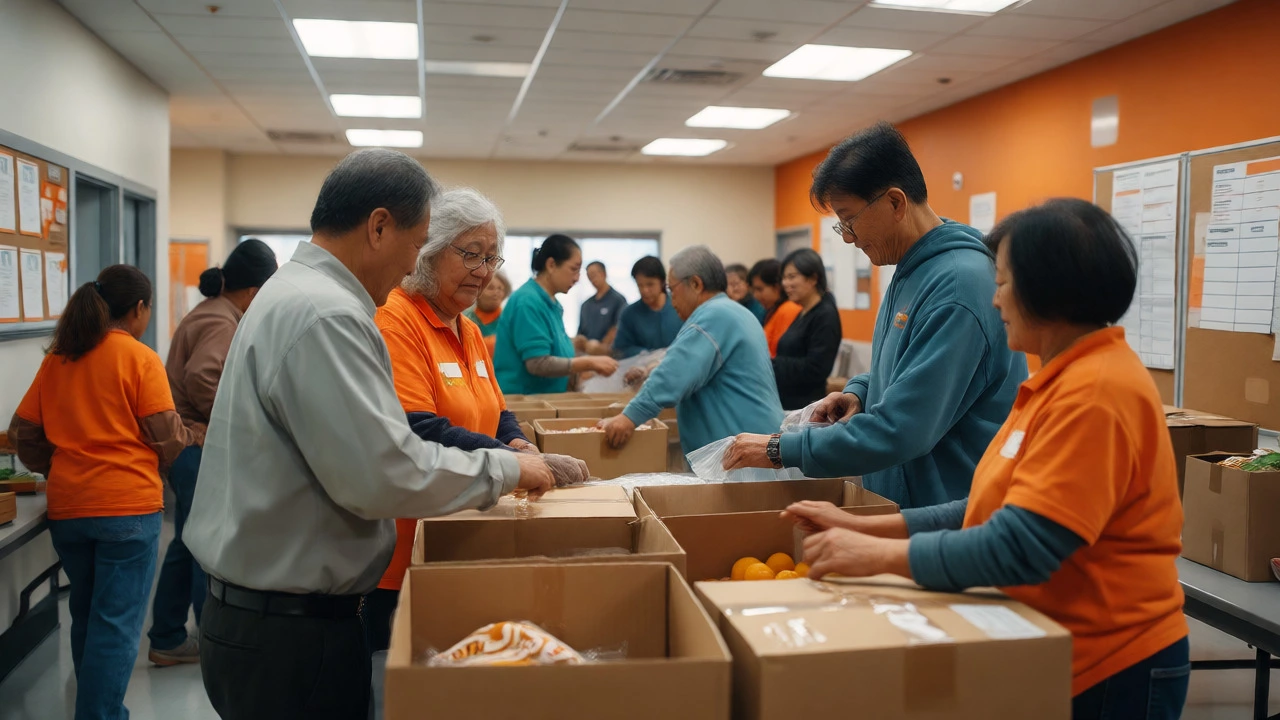
Why does this group lead? It’s not necessarily because they have more leisure time. Sociologists point to strong cultural values around community obligation and family networks that extend into organized civic duties. Many Asian American communities have robust ethnic associations, religious organizations, and professional networks that actively recruit members for structured service roles. If you’ve ever walked into a local temple, church, or cultural center, you’ve likely seen bulletin boards plastered with sign-up sheets for food drives or cleanup days. That infrastructure matters.
White Americans typically follow closely behind, often with rates between 25% and 30%. This high visibility in national statistics is partly due to the fact that White Americans are the majority population, meaning their sheer numbers dominate the total volume of volunteer hours, even if their per-capita rate isn't always the highest. When you walk into a large non-profit headquarters, you are statistically most likely to see White volunteers, simply because they make up a larger portion of the general population.
The Hidden Economy of Informal Help
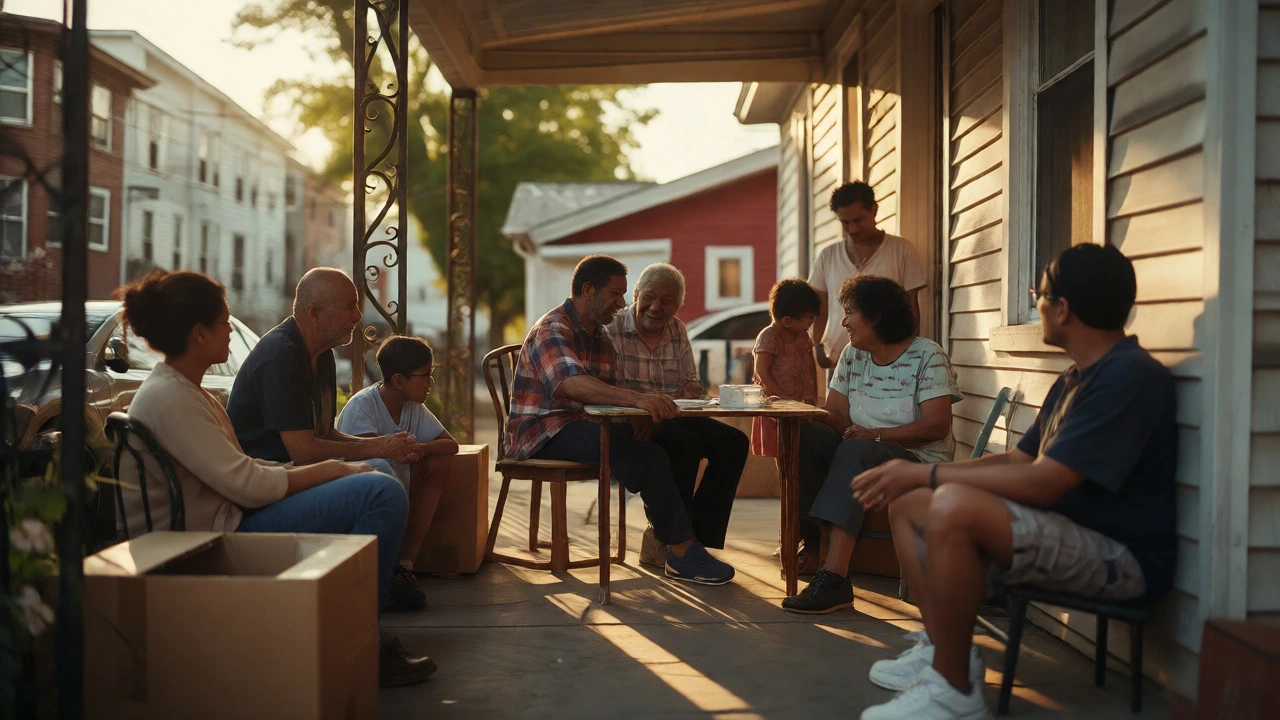
Here is the catch: standard surveys often miss the "invisible" work done in minority communities. If you ask a Black or Hispanic respondent if they volunteered for a registered 501(c)(3) non-profit, they might say no. But if you ask if they helped a neighbor move, cared for an elderly relative outside their immediate household, or contributed money to a community fundraiser, the answer changes completely.
Studies from organizations like the Points of Light Institute suggest that African Americans and Latinos engage heavily in informal caregiving and mutual aid. For example, in many Black communities, the "church basement" economy operates independently of formal non-profits. People show up to fix roofs, feed families, and mentor youth without ever signing a waiver or logging hours in a database. When researchers adjust for this informal help, Black Americans often rank near the top for overall civic contribution.
This distinction is crucial for anyone trying to understand true community health. Relying solely on formal volunteer rates can lead you to underestimate the social capital present in marginalized neighborhoods. It’s not that these communities aren’t giving back; it’s that their giving doesn’t always fit the bureaucratic mold of "volunteering" as defined by government forms.
Comparing Volunteer Rates by Race and Ethnicity
To make sense of the conflicting narratives, let’s look at a comparison of estimated annual volunteer rates based on recent Current Population Survey supplements. Note that these figures represent formal organizational volunteering only.
| Race/Ethnicity Group | Approximate Participation Rate | Key Drivers |
|---|---|---|
| Asian American | 30-35% | Cultural obligation, tight-knit ethnic associations, religious participation |
| White | 25-30% | High institutional access, majority population visibility, workplace matching programs |
| Black/African American | 20-25% | Strong faith-based involvement, high rates of informal mutual aid (often undercounted) |
| Hispanic/Latino | 18-23% | Family-centric support networks, growing bilingual program participation |
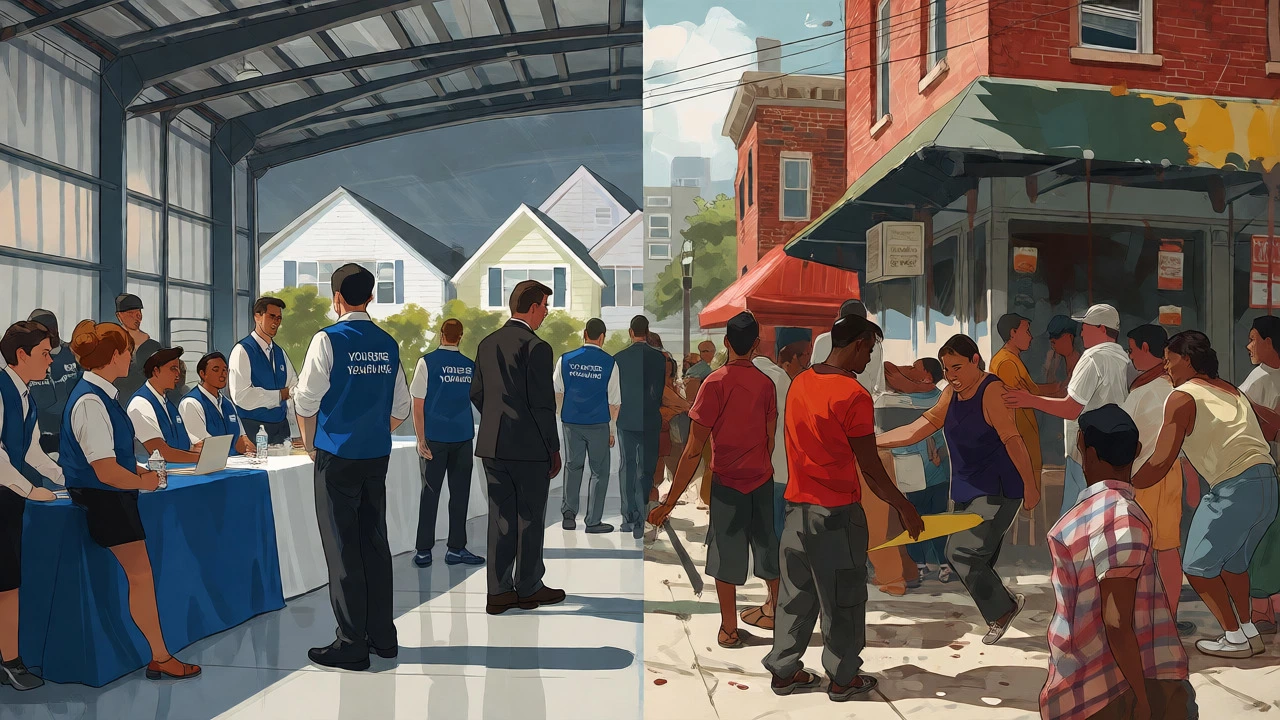
Notice the gap between the formal rates and the lived reality. While White Americans have high access to corporate-sponsored volunteer days, Black and Latino communities often rely on peer-to-peer support systems that don't require a non-profit intermediary. This doesn't mean one group is "better" at volunteering; it means they are volunteering differently.
Why Do These Gaps Exist?
It’s tempting to blame culture alone, but structural barriers play a massive role. Think about the logistics of volunteering. Most traditional opportunities happen during business hours or on weekends in suburban areas. They often require reliable transportation, flexible schedules, and sometimes unpaid leave.
- Time Poverty: Lower-income individuals, who disproportionately belong to minority groups, often work multiple jobs or irregular shifts. Finding a three-hour block on a Saturday afternoon to sort donations at a warehouse is harder than it sounds when you’re working two jobs.
- Access to Information: Many volunteer opportunities are advertised through university alumni networks, corporate intranets, or niche online platforms. If you aren't plugged into those specific channels, you might never hear about them.
- Cultural Mismatch: Some non-profits inadvertently create environments that feel unwelcoming to diverse groups. If the leadership board looks nothing like the community being served, potential volunteers may feel like outsiders rather than partners.
Conversely, Asian American high participation rates can also be linked to educational pressures. For many immigrant families, community service is viewed as a critical component of character building and college applications, driving younger generations to log hours through established organizations.
How Organizations Can Bridge the Gap
If you run a charity or manage a volunteer team, these stats should change how you recruit. Stop assuming that everyone wants to paint fences on a Saturday morning. Start asking what kind of help people actually want to give.
First, recognize informal contributions. If a resident helps organize a block party or watches neighbors' children, acknowledge that as civic engagement. Don't dismiss it just because it didn't come through your intake form. Second, meet people where they are. Hold volunteer orientations at community centers, churches, or schools in diverse neighborhoods, not just at downtown offices. Offer childcare during meetings. Provide bus passes. Remove the friction points that keep busy parents and shift workers from participating.
Third, diversify your leadership. People volunteer for causes they trust. If your board reflects the diversity of your city, you’ll attract a wider range of volunteers. Representation isn't just a buzzword; it’s a recruitment strategy.
What Does This Mean for You?
If you are looking for volunteer opportunities, don't let the stereotypes fool you. You will find dedicated volunteers in every demographic. But if you are trying to build a team, remember that the "typical" volunteer profile is changing. The future of civic engagement lies in blending formal structures with the organic, informal networks that already exist in our communities.
So, who volunteers the most? Formally, Asian Americans lead the pack. But holistically, every race contributes massively to the social fabric-we just measure them differently. The goal shouldn't be to compete for the title of "most generous," but to recognize the unique ways each community gives back and ensure everyone has the chance to do so.
Which race has the highest volunteer rate in the US?
According to data from the Corporation for National and Community Service, Asian Americans consistently report the highest rates of formal volunteering, often exceeding 30%. However, when informal helping (such as caring for relatives or neighbors) is included, Black and Hispanic Americans show extremely high levels of community contribution that are often undercounted in official statistics.
Do wealthy people volunteer more than poor people?
Not necessarily. While wealthier individuals have more access to formal volunteer programs and flexible time, lower-income individuals often engage in higher rates of informal mutual aid. Financial constraints limit time and transportation for formal volunteering, but they do not eliminate the desire or action to help others within their immediate community.
Why are Black Americans' volunteer rates sometimes reported as lower?
Standard surveys often focus on volunteering for registered non-profits. Many acts of service in Black communities occur through churches, family networks, and informal neighborhood support systems that do not involve a formal organization. Consequently, these significant contributions are frequently missed by mainstream data collection methods.
Does age affect volunteer rates more than race?
Age is a significant factor, with retirees and young adults often having higher participation rates due to available time. However, race remains a distinct predictor of the *type* of volunteering and the likelihood of engaging with formal institutions. Both demographics intersect to shape how and where people serve.
How can charities attract more diverse volunteers?
Charities can improve diversity by offering flexible scheduling, providing transportation assistance, holding events in accessible community locations, and ensuring their leadership teams reflect the diversity of the communities they serve. Recognizing and valuing informal community help also builds trust with populations that may feel disconnected from traditional non-profit structures.