Everyday Charity Impact Calculator
Your Annual Impact
How your actions help your community
When people think of charity, they often picture big galas or fundraising walks. But real charitable work happens in quieter, everyday ways-kitchen tables, school halls, neighborhood parks, and doorsteps. The main charitable activities aren’t always flashy. They’re the things that keep communities breathing when no one’s watching.
Food Drives and Meal Distribution
One of the most common charitable activities is collecting and giving out food. Food banks, churches, and local nonprofits run weekly drives to gather canned goods, fresh produce, and ready-to-eat meals. In New Zealand, organizations like Foodbank NZ distribute over 10 million meals a year to families struggling with cost-of-living pressures. Volunteers sort donations, pack hampers, and deliver them to homes or pickup points. It’s not glamorous work, but it stops people from skipping meals. Many schools now run monthly food drives where students bring in non-perishables instead of birthday gifts. These small efforts add up fast.
Volunteering Your Time
Time is often the most valuable thing people can give. Volunteering doesn’t mean flying overseas or building houses in remote villages. It can be as simple as reading to kids at a library once a week, helping elderly neighbors with groceries, or walking dogs for shelter animals. Community centers in Wellington run regular volunteer programs for tutoring, tech help for seniors, and even garden maintenance for people who can’t do it themselves. The key is consistency. One hour a week for a year is more impactful than a single day of hard labor. Many people start volunteering because they want to help, but stay because they find connection.
Donation Drives for Essentials
It’s not just about food. People also collect clothing, hygiene products, blankets, and school supplies. During winter, organizations like the Salvation Army and local charities run blanket and warm clothing drives. In the lead-up to school terms, backpacks filled with notebooks, pens, and uniforms are gathered for low-income families. These aren’t luxury items-they’re necessities. A single donation bin outside a supermarket can collect hundreds of toothbrushes, shampoo bottles, and socks in a weekend. What makes these drives work is community trust. People know where their donations go because they see the same faces organizing them week after week.
Charity Events That Build Community
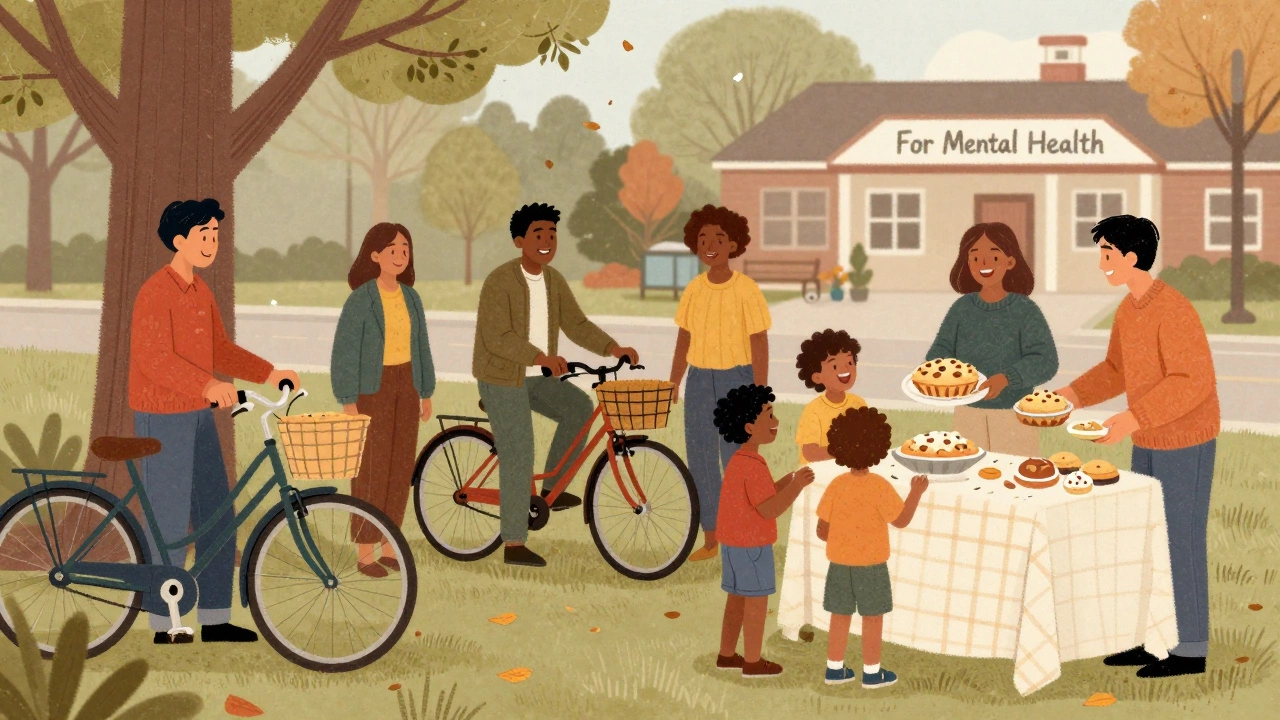
Charity events are more than fundraisers-they’re social glue. A local fun run, a bake sale at the community hall, or a garage sale with proceeds going to a child’s medical fund brings people together. These events don’t need big budgets. In Lower Hutt last year, a group of teens organized a “Bike & Bake” day: people rode their bikes to a park, brought homemade treats, and donated what they could. They raised $3,200 for a local youth mental health group. The money mattered, but the event also broke down isolation. People who didn’t know each other before ended up chatting, laughing, and planning the next one. That’s the real return on investment.
Advocacy and Raising Awareness
Some of the most powerful charitable work happens behind screens and at town halls. People speak up for causes they care about-writing to local councils about homelessness services, starting petitions for better mental health funding, or sharing stories on social media to reduce stigma. A single post about a family struggling to afford insulin can spark a local donation chain. Advocacy doesn’t require a degree or a platform. It just requires someone willing to say, “This isn’t right,” and then take one small step to change it. In 2024, a group of high school students in Christchurch campaigned for free period products in schools. They got it passed in every public school in the region within six months.
Supporting Local Charities Through Spending
Buying from ethical businesses is a form of charity too. Many small shops, cafes, and artisans donate a portion of sales to local causes. When you buy coffee from a café that funds literacy programs, or choose a clothing brand that supports refugee employment, you’re making a charitable choice. It’s not a donation receipt-it’s a transaction with purpose. In Wellington, over 40 local businesses now partner with charities through “buy-one-give-one” models or monthly donation rounds. Customers don’t always realize they’re giving, but their choices directly support programs that help neighbors.
Skills-Based Giving
Not everyone can donate money or time. But almost everyone has a skill. A graphic designer can create flyers for a nonprofit. A plumber can fix a leaky tap for a senior citizen. A retired teacher can help someone learn to read. Skills-based giving is growing fast because it’s practical and personalized. Platforms like Skillshare and local Facebook groups connect volunteers with needs. One woman in Tauranga offered free tax advice to low-income families during filing season. She helped 87 households save over $20,000 in penalties and claim refunds they didn’t know they were due. That’s charity with measurable impact.

Organizing and Leading
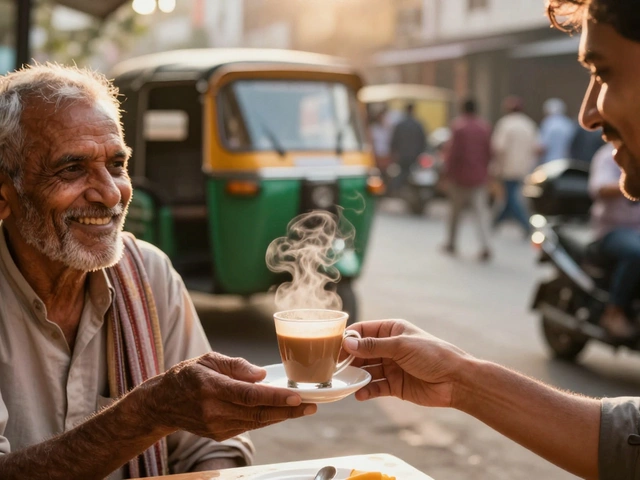
Behind every successful charity effort is someone who started it. The person who saw a need and didn’t wait for permission. Maybe they noticed kids going without coats in winter, so they set up a coat swap at the playground. Or they saw lonely seniors and started weekly tea visits. These aren’t professional fundraisers-they’re neighbors. Leading a charitable activity means showing up, staying organized, and keeping people motivated. It’s hard work. But it’s also deeply human. You don’t need a title or a budget. You just need to care enough to begin.
Why These Activities Matter More Than You Think
These aren’t just nice things to do. They’re the backbone of social safety nets. Governments can’t be everywhere. Hospitals can’t fix loneliness. Schools can’t feed every hungry child. That’s where everyday people step in. The most effective charitable activities are local, simple, and repeatable. They don’t rely on viral moments or celebrity endorsements. They rely on consistency. One person showing up. Again. And again. And again.
Charity isn’t about how much you give. It’s about whether you give at all. And the most powerful form of giving? It’s the kind that doesn’t make headlines-but changes lives anyway.
What are the most common charitable activities?
The most common charitable activities include food drives, volunteering time, donation drives for essentials like clothing and hygiene items, organizing local charity events, advocacy work, supporting ethical businesses, giving skills like tutoring or repairs, and starting community-led initiatives. These are all hands-on, local efforts that directly help people in need.
Do I need money to be charitable?
No. While donations help, time, skills, and even your voice matter just as much. Volunteering an hour a week, helping a neighbor carry groceries, sharing a post about a local cause, or fixing a broken fence for someone who can’t afford it-all of these are forms of charity. Money isn’t required; compassion and action are.
How do I start my own charitable activity?
Start small. Look around your neighborhood. What’s missing? Maybe there’s no place for seniors to get hot meals, or kids lack school supplies. Talk to one or two people who care about the same thing. Organize a simple collection, a weekly meet-up, or a local event. You don’t need permission-just a plan and the courage to begin. Many successful charities started with one person and a Facebook post.
Are charity events still relevant today?
Yes, especially when they’re local and personal. Big online fundraisers get attention, but community events build trust. A bake sale, a garage sale, or a neighborhood clean-up with a donation box brings people together and creates lasting connections. These events also teach kids about giving and show others that change doesn’t always require big money-it just requires people showing up.
What’s the difference between charity and activism?
Charity usually means giving direct help-food, clothes, time. Activism means working to change systems that cause the problem in the first place-like pushing for affordable housing or better welfare policies. Both are important. Charity meets urgent needs. Activism prevents those needs from happening again. Many people do both: they hand out meals and also lobby for food security laws.
What Comes Next?
If you’re wondering where to start, look at your own life. What do you already do that helps someone? Maybe you check in on your neighbor. Maybe you save spare change for a cause. Maybe you just listen when someone’s having a hard day. That’s charity. Now ask: can you do one more thing? One more hour? One more item? One more conversation? Start there. You don’t need to fix everything. Just help one person today. That’s how change grows.