
Ever walked past a social club - maybe one with a quiet sign, a polished door, or a bouncer standing by - and wondered if you could just walk in? You’re not alone. Many people assume these places are locked away for the rich, the old, or the connected. But the truth is more complicated - and more open - than most think.
What Even Is a Social Club?
A social club isn’t just a bar with a fancy name. It’s a space where people gather regularly to connect, share interests, or simply relax together. Some are old-school: think men’s clubs from the 1950s with leather chairs and pipe smoke. Others are modern: co-working lounges with craft beer, book clubs that meet in cafes, or hobby-based groups like gardening circles or vintage car enthusiasts.
What ties them together? They’re usually member-run. That doesn’t mean they’re secret societies. It means they’re run by people who pay a fee, show up consistently, and help keep things going. Think of it like a neighborhood potluck that’s been going on for years - you don’t need an invitation to join, but you do need to show up, be respectful, and maybe bring a dish.
Do You Need an Invitation?
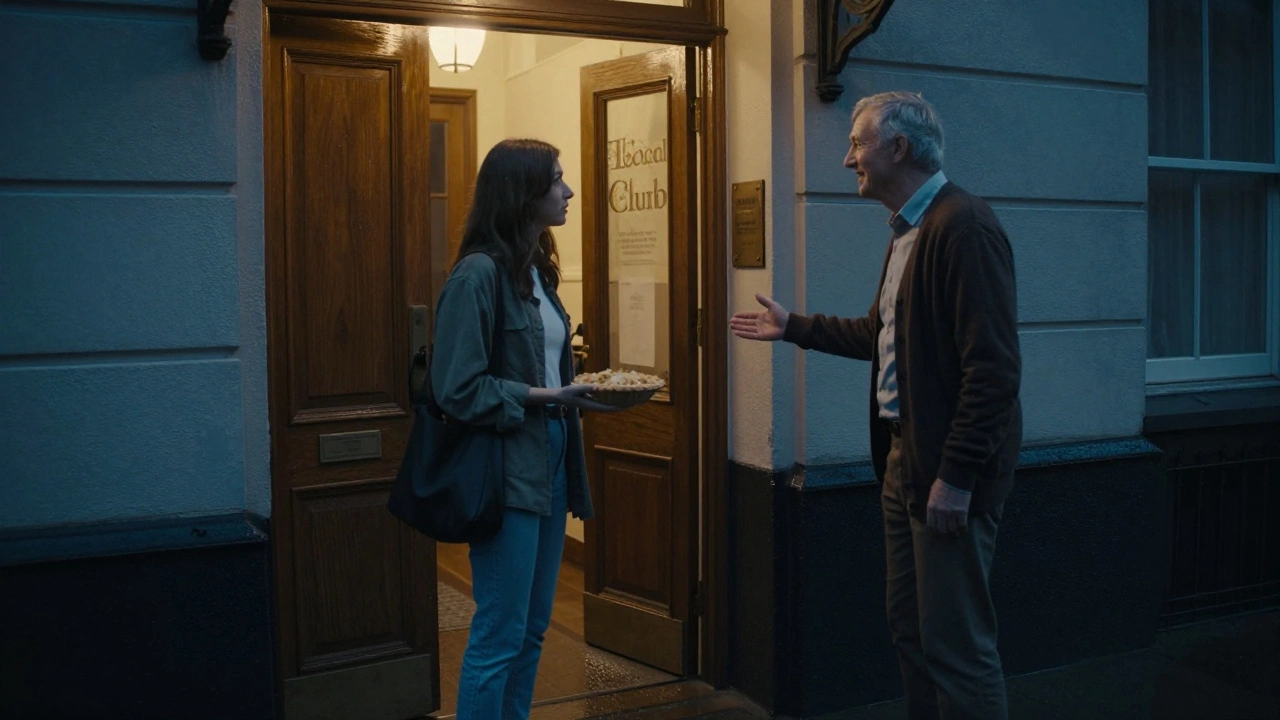
The short answer: not always. Many clubs, especially newer ones, welcome visitors. Some have open nights - once a month, anyone can come in for a drink, a game of chess, or a live acoustic set. Others let you pay a day pass or drop-in fee. In Wellington, places like The Library Bar or The Clubhouse on Cuba Street offer casual access without membership.
But here’s the catch: older or more traditional clubs - like some golf clubs, yacht clubs, or historic gentlemen’s clubs - often require sponsorship. That means you need a current member to vouch for you. It’s not about being rich. It’s about trust. These clubs have limited space, strict rules, and decades of culture. They’re not trying to shut people out. They’re trying to protect the experience they’ve built.
If you’re turned away from one of these, don’t take it personally. Ask: “Is there a way to get to know someone here first?” Many will point you to a public event, a charity fundraiser, or a weekly open mic night. That’s your foot in the door.
Who Gets In - And Why?
There’s a myth that social clubs are only for wealthy white men. That was true in the past. But today? The landscape has shifted. You’ll find:
- Young professionals meeting over board games at The Boardroom in Ponsonby
- Retirees playing bridge at the local RSL club
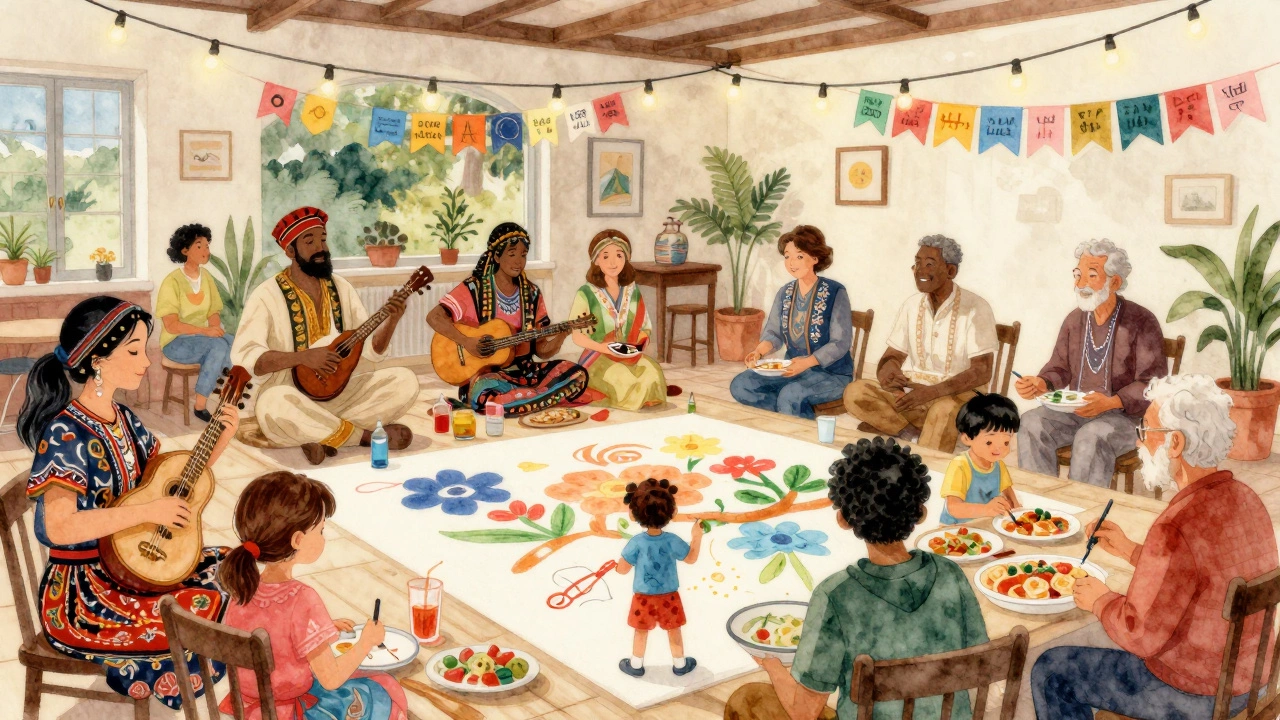
- Immigrant groups hosting cultural nights at community halls
- Queer collectives running monthly dance events
- Parents organizing playgroups in club lounges
What matters isn’t your income or background. It’s your willingness to participate. Clubs thrive on activity. If you show up, chat, join a book club, or help set up chairs, you become part of the fabric. If you just sit there scrolling on your phone, you’ll feel like an outsider - no matter how much you pay.
How to Actually Get In
Here’s how to walk into a social club - even if you don’t know anyone there:
- Start with public events. Look up local clubs on Eventbrite, Facebook Groups, or your city’s community calendar. Many host free or low-cost events open to all - trivia nights, film screenings, or volunteer cleanups.
- Visit during open hours. Most clubs have daytime hours when they’re just cafes or lounges. Walk in, order coffee, and see how people interact.
- Ask questions. “Is this open to visitors?” or “Do you have any upcoming events?” is perfectly fine. Staff are usually happy to explain.
- Offer something. If you play guitar, bring your instrument. If you bake, offer cookies for the next meeting. People remember generosity.
- Wait for the right moment. Don’t ask for membership on your first visit. Build familiarity first. Show up twice. Say hello. Then ask, “How do people join here?”
One woman in Taranaki joined her local bowling club by volunteering to clean the lanes every Saturday for a month. She didn’t know a soul. Now she’s on the committee.
What Holds People Back?
Most people don’t try because they assume they won’t be welcome. That fear is real - and it’s often rooted in old stereotypes. But here’s what you won’t hear from club members: “We don’t want people like you.”
You’ll hear things like:
- “We’re just trying to keep things calm.”
- “We’ve had bad experiences with people who treated this like a pub.”
- “We need people who stick around.”
The real barrier isn’t your identity. It’s your behavior. If you treat a social club like a nightclub - loud, demanding, entitled - you’ll get kicked out. But if you treat it like a neighbor’s living room - respectful, curious, helpful - you’ll be invited back.
Why It Matters
Social clubs are one of the last places where people connect face-to-face without screens. In a world of algorithm-driven friendships, they offer something rare: real, unfiltered community. They’re where you learn how to listen. Where you find out someone’s story because they asked you about your day. Where you realize you’re not so different after all.
They’re not perfect. Some are too slow to change. Some cling to outdated rules. But many are quietly evolving - opening up, welcoming diversity, and letting new voices lead.
If you’ve ever felt lonely, isolated, or like you don’t belong - a social club might be the quiet answer you didn’t know you were looking for. You don’t need an invitation. You just need to show up.
Can I just walk into any social club?
It depends. Many modern clubs welcome visitors during open hours or public events. Traditional clubs - like golf or yacht clubs - often require a member to sponsor you. Always check their website or call ahead. There’s no harm in asking, “Is this open to the public?”
Do I need to be rich to join a social club?
No. While some clubs have high fees, many others charge as little as $20-$50 a year. Community-based clubs, especially those tied to libraries, churches, or local councils, often have low or sliding-scale fees. What matters more than money is your willingness to participate and contribute.
Are social clubs only for older people?
Not anymore. While some clubs are still dominated by older generations, there’s been a big shift. Younger people are starting their own clubs - for board games, hiking, cooking, or even climate action. Look for clubs centered around hobbies, not age. You’ll find more energy and openness that way.
What if I’m shy or don’t know how to start a conversation?
Start small. Sit near someone who’s reading a book. Comment on the music playing. Ask if they’ve been coming here long. Most people are happy to talk - they’ve been in your shoes. Clubs are designed to make connection easy. You don’t need to be the life of the party. Just be present.
Can I bring a friend?
Usually, yes - especially if you’re visiting for the first time. Many clubs allow guests. Just check their policy. Some ask you to register your guest, others just want you to introduce them. Don’t assume it’s allowed - ask. It shows respect.