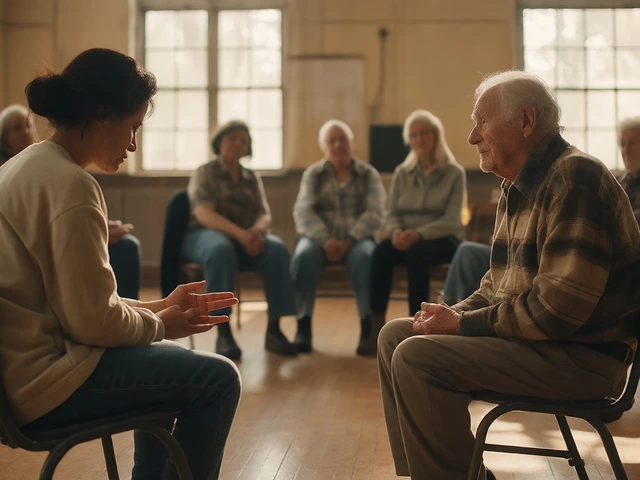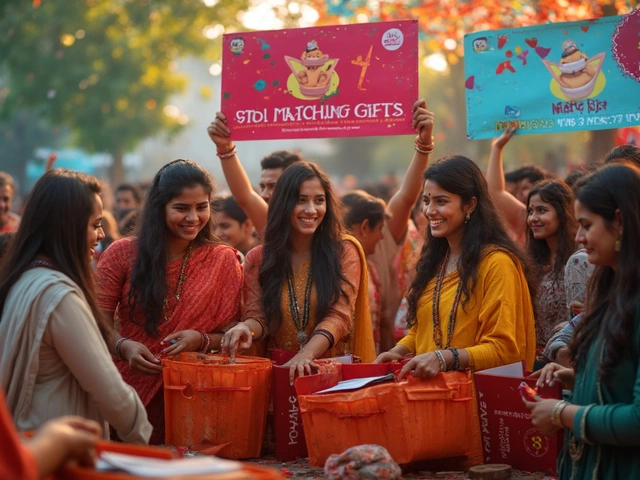
People sign up to volunteer because they want to help. They believe in the cause. They’ve seen the need. But months later, many stop showing up. Not because they don’t care. Not because they’re selfish. But because something unexpected hit them - something they weren’t prepared for. The hardest part about volunteering isn’t the work. It’s the emotional weight you didn’t see coming.
Expecting Gratitude, Getting Silence
You show up at the food bank every Saturday. You pack boxes, load vans, smile at families who come through the door. You think they notice. You think they appreciate it. But most days, no one says thank you. Not out loud. Not even with a nod. They’re tired. Hungry. Overwhelmed. And you? You’re just another face in the line of volunteers they’ve seen before. That silence can cut deeper than you expect. It’s not personal. But it feels like it is. You start wondering: Do I even matter here?One volunteer in Wellington told me she stopped after six months because she kept imagining the people she helped were silently judging her. "I thought they saw me as a charity case," she said. "Like I was there to feel good about myself, not to help them." That’s the trap. Volunteering isn’t a performance. But when no one acknowledges your effort, it’s hard not to turn it into one.
The Emotional Toll You Didn’t Sign Up For
Volunteering at a homeless shelter, a hospice, or a youth crisis center isn’t like painting a community wall or sorting books. You’re not just moving boxes - you’re absorbing stories. You hear about kids who haven’t eaten in days. Parents who lost their jobs and their homes. Teens who don’t have anyone to talk to. You can’t just turn it off when you leave. That stuff sticks. It shows up in your dreams. In your silence at dinner. In the way you stare at your own child and wonder how lucky they are.There’s no official training for this. No manual that says: "Here’s how to carry someone else’s pain without breaking." You’re expected to be strong. Calm. Compassionate. But you’re still human. And humans don’t handle constant exposure to suffering well - not without support. Many volunteers don’t realize they’re carrying trauma until they start having panic attacks, insomnia, or sudden outbursts of anger. The hardest part? Nobody tells you it’s okay to need help after helping others.
Commitment That Feels Like a Job - Without the Pay
You promised to come every Tuesday. You meant it. But life doesn’t pause for volunteer schedules. Your kid got sick. Your boss asked for overtime. Your car broke down. You miss a week. Then two. Suddenly, you feel guilty. Like you let everyone down. The organization doesn’t say anything. They don’t text. They don’t call. But you hear it in your head: You’re unreliable. You’re not serious.Volunteers often carry more emotional responsibility than paid staff. Why? Because they feel they have to prove their worth. They don’t get a paycheck, so they think they need to prove they’re "better" than people who do. That pressure turns passion into performance. And performance burns out faster than purpose.
The Myth of "Enough"
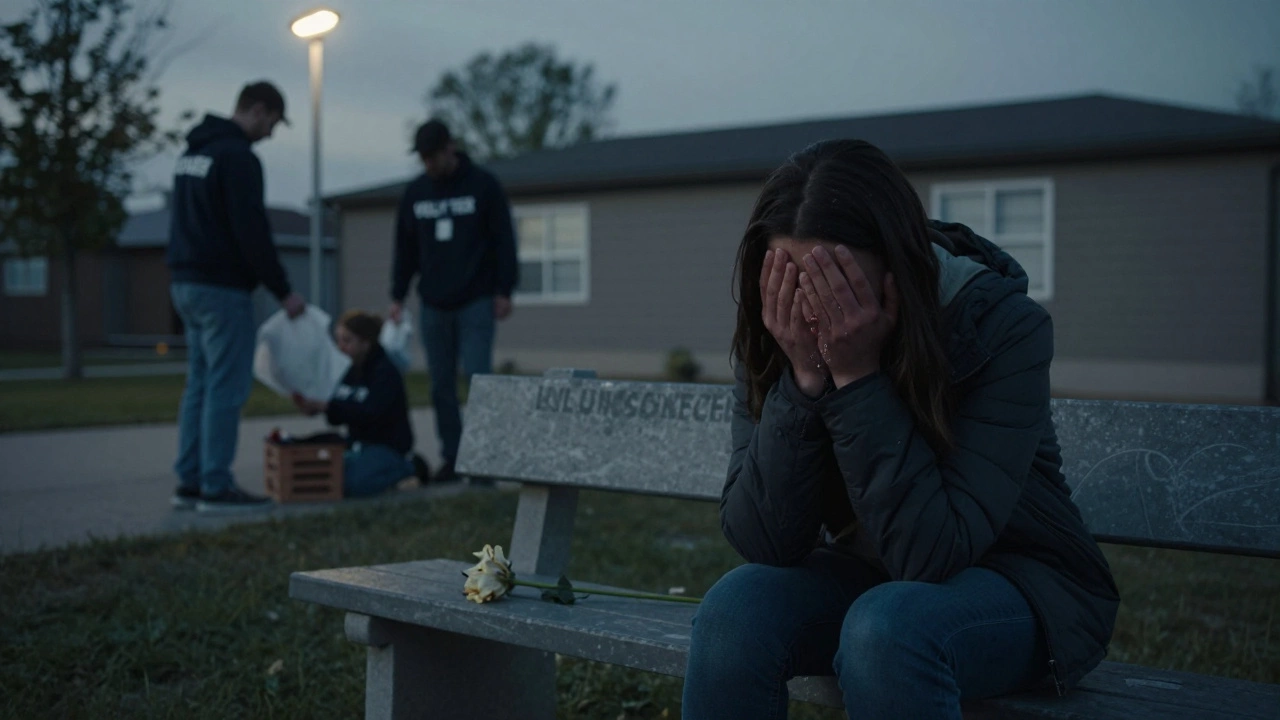
You show up. You give your time. You do your best. But the problem doesn’t get fixed. The shelter is still full. The kids still need tutors. The trees still aren’t planted. You start asking: Does any of this even matter?That’s the quiet killer. Volunteering doesn’t come with instant results. You don’t get a trophy for helping 50 people this month. There’s no leaderboard. No public metrics. You’re working in the long game - and that’s hard for people used to quick wins. One volunteer at a community garden in Lower Hutt said, "I planted 300 seedlings last spring. I haven’t seen one of them since. Did I waste my time?"
Here’s the truth: You didn’t. But if you don’t understand that impact is invisible, you’ll quit before it grows.
Feeling Alone in a Crowd
You show up at the same place every week. You see the same faces. But you never really connect. Everyone’s polite. Busy. Focused on the task. No one says, "Hey, how are you doing?" No one asks if you’re okay. You start to feel like a ghost. You’re surrounded by people, but you’re utterly alone.Volunteer groups often function like machines - efficient, task-driven, and emotionally sterile. There’s rarely time for check-ins. No team huddles. No coffee breaks. And without those small human moments, volunteers start to feel replaceable. Like they’re just another body on the roster. That loneliness is silent. And it’s deadly.

What Keeps People Going?
So what makes some people stick with it? What’s the difference between those who quit and those who stay?It’s not about how much time they give. It’s about how they’re treated.
The volunteers who stick around are the ones who:
- Have someone who checks in on them - not to remind them of their shift, but to ask how they’re really doing.
- See tangible progress - even small wins. A kid who learned to read. A garden that bloomed. A family who got back on their feet.
- Are given space to rest. No guilt. No pressure. No "you owe us" messaging.
- Feel like they belong - not just to the cause, but to the team.
Volunteering doesn’t fail because people are lazy. It fails because organizations forget that volunteers are people first. Not resources. Not tools. Not free labor. They’re humans showing up, often at great personal cost.
You’re Not Broken If You Need to Step Away
If you’ve ever walked away from volunteering because it hurt too much - you’re not weak. You’re not a failure. You’re someone who cared enough to feel it. And that matters more than any badge or certificate.Volunteering shouldn’t cost you your peace. If it does, it’s not the cause that’s broken. It’s the system. And systems can change - if enough people speak up.
Next time you volunteer, ask for what you need. A quiet space to decompress. A debrief after a hard day. A simple "thank you" that means something. If the organization can’t give it, maybe it’s time to find one that can.
Helping others shouldn’t mean losing yourself. The hardest part of volunteering? Realizing you’re allowed to protect your heart - even while you’re trying to heal someone else’s.
Why do so many volunteers quit within the first few months?
Most volunteers quit not because they lost interest, but because they weren’t prepared for the emotional toll. The silence from those they help, the lack of recognition, the guilt of missing shifts, and the weight of absorbing others’ pain without support can be overwhelming. Without emotional safety nets or check-ins, burnout sets in fast.
Is it normal to feel guilty after stepping back from volunteering?
Yes. Many volunteers carry guilt because they believe their time is the only thing that matters. But sustainability matters more than sacrifice. Taking a break to protect your mental health isn’t quitting - it’s resetting. Real change comes from steady, long-term effort, not from burning out in a month.
How can organizations better support their volunteers?
Organizations can start by treating volunteers like people, not resources. Simple steps: assign a point person to check in weekly, create space for emotional debriefs after tough shifts, share small wins regularly (like a photo of a garden growing or a student’s progress), and never shame someone for taking time off. Volunteers stay when they feel seen, not just needed.
Can volunteering make anxiety or depression worse?
It can - especially if you’re helping in high-emotion environments like shelters, hospitals, or crisis centers without boundaries or support. Constant exposure to trauma without processing tools can trigger or worsen mental health symptoms. That’s why emotional self-care isn’t optional - it’s part of the job.
What’s the best way to start volunteering without getting overwhelmed?
Start small. Pick one consistent, low-pressure role - like helping once a month at a community kitchen or walking dogs at a shelter. Focus on connection, not impact. Ask upfront: "How do you support your volunteers emotionally?" If the answer is silence or "just show up," keep looking. The right place will make space for you - not just your time.