Global Charity Event Finder
Not all "biggest" events are the same. Are you looking for massive human participation, huge financial totals, or viral digital engagement? Select your priority below to see which global event leads in that category.
You might think the biggest charity event is a glamorous gala in New York or a massive concert in London. But if you measure "big" by the sheer number of human beings participating, the answer shifts dramatically. It’s not about who raised the most money in a single night; it’s about how many people showed up, walked, danced, or donated over weeks and months. When we talk about the biggest charity event, we are usually looking at events that transcend borders, involve millions of participants, and create a sustained wave of awareness rather than a one-time spike.
As someone living in Wellington, I see this scale play out locally with events like the Great Walks or local marathon fundraisers, but on a global stage, the numbers are staggering. The reality is that there isn't just one "winner." Different metrics yield different champions. If you want volume of participants, Relay For Life is hard to beat. If you care about cultural impact and viral growth, Movember changed the game. If you look at traditional media power, Telethons still hold their own. Let's break down what actually makes an event "the biggest" and which ones truly deserve the title.
Defining "Big": Participants vs. Revenue
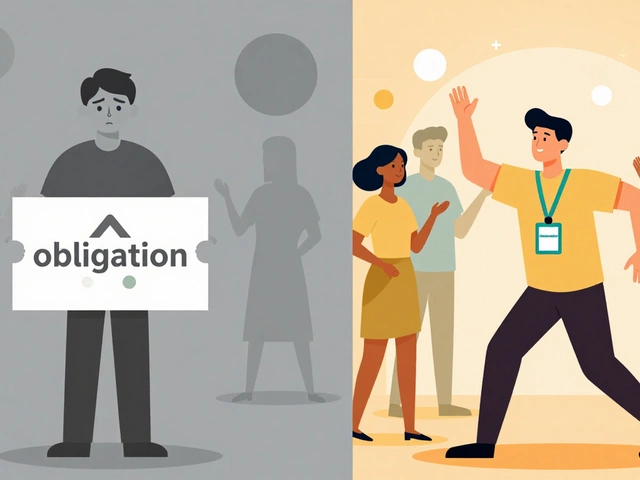
Before we crown a king, we need to agree on the rules of the contest. In the nonprofit sector, "size" is ambiguous. Are we counting dollars raised? Hours volunteered? Number of unique donors? Or geographic reach?
Most industry analysts lean toward participant engagement because it reflects community health and brand loyalty. An event that raises $10 million from ten billionaires is impressive, but an event that raises $10 million from one million regular people has a deeper societal footprint. This distinction matters for organizers. If your goal is broad awareness, you want high participation. If your goal is immediate capital injection for a specific project, you might prefer fewer, larger donations.
Consider Stand Up To Cancer. It generates hundreds of millions through partnerships with Hollywood studios and TV networks. Its revenue is colossal. However, the actual number of individuals directly participating in a physical activity is relatively low compared to grassroots movements. Conversely, a local fun run might raise less cash but mobilize thousands of neighbors. When searching for the biggest charity event, keep your metric clear: do you value reach or depth?
The Grassroots Giant: Relay For Life
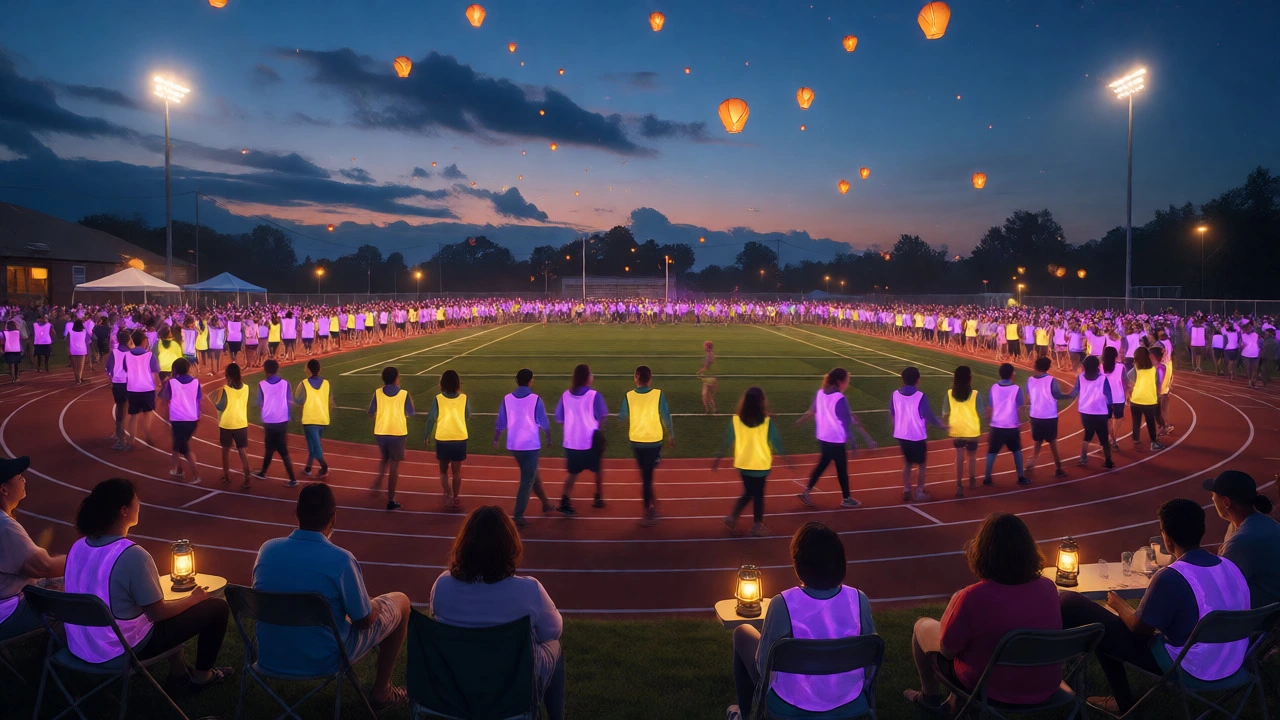
If we judge by raw human presence, Relay For Life often takes the crown. Organized by the American Cancer Society, this event isn't a race against others; it's a walk around a track, day and night, to honor cancer survivors and remember those lost.
Why is it so big? Because it’s scalable. You don’t need a stadium. You need a school track, a park loop, or even a shopping center parking lot. This accessibility allowed Relay For Life to expand into dozens of countries. At its peak, it involved over 4 million participants annually across more than 5,000 sites. That is a level of decentralized organization that few other charities can match.
The emotional hook is powerful. Teams camp out overnight, creating a sense of community resilience. It turns fundraising into a shared experience. While recent years have seen some consolidation due to operational costs, the model remains a blueprint for large-scale volunteer-driven fundraising. It proves that you don't need celebrity hosts to create a massive event; you just need a cause people care about and a simple action they can take.
The Viral Phenomenon: Movember
Then there’s Movember. Started in 2003 by three friends in Adelaide, Australia, it began as a joke about growing mustaches. Today, it’s a global movement for men’s health, focusing on prostate cancer, testicular cancer, mental health, and suicide prevention.
Movember’s size comes from its digital DNA. It leverages social media better than almost any other charity. The visual nature of a mustache makes it perfect for Instagram and TikTok. It encourages peer-to-peer fundraising, where individuals ask their friends to sponsor their facial hair. This network effect exploded its reach. In recent campaigns, Movember has engaged over 6 million supporters globally, raising hundreds of millions of dollars since inception.
What makes Movember distinct is its ability to change behavior, not just collect cash. It sparks conversations about mental health among men who typically avoid them. This dual impact-financial and cultural-makes it arguably the most influential modern charity event. It transformed a niche activity into a mainstream November tradition in countries ranging from the UK to Canada to New Zealand.

The Traditional Powerhouse: Telethons
We can’t ignore the old guard. Telethons are marathon television broadcasts designed to raise money for a specific cause. Think of the long-running Children in Need in the UK or the Jerry Lewis MDA Labor Day Telethon in the US (which ended in 2014 but set historical records).
For decades, these were the undisputed kings of fundraising. They commanded prime-time attention and could pull in tens of millions in a single weekend. The magic was in the urgency. Viewers watched celebrities pledge amounts live, creating a real-time feedback loop of generosity. While linear TV viewership has fragmented, reducing the dominance of telethons, they remain potent for established brands.
In Japan, the 24 Hour Television program continues to be a massive cultural event, raising significant funds for various social issues. It shows that while the medium changes, the concept of collective watching and giving still resonates. If you define "big" by concentrated media exposure and immediate cash flow, telethons still punch above their weight.
Comparing the Titans
To help you visualize the differences, here is a comparison of these major events based on key attributes. Note that data reflects typical annual figures prior to recent economic fluctuations.
| Event Name | Primary Cause | Key Metric | Global Reach | Participation Model |
|---|---|---|---|---|
| Relay For Life | Cancer Research & Support | Participant Volume | 40+ Countries | Physical Walking/Camping |
| Movember | Men's Health | Digital Engagement | 21 Countries | Social Media & Peer Fundraising |
| Telethons | Varies (e.g., Children, Disease) | Media Impressions | National Focus | Viewer Donations |
| AIDS/LifeCycle | HIV/AIDS Awareness | Distance Cycled | USA (California) | Long-distance Cycling |

Regional Champions and Niche Giants
Beyond the global names, regional events often dominate local economies. In the United States, the American Heart Association’s Heart Walk series involves hundreds of cities simultaneously. It’s a coordinated national effort that feels local to each participant. Similarly, in Europe, the Telethon France raises substantial sums for rare diseases every year, demonstrating strong national solidarity.
New Zealand has its own heavy hitters. The Starship Foundation Christmas Appeal is a cultural institution here. While it may not compete with Relay For Life in global headcount, its per-capita impact in NZ is immense. It shows that "big" is relative to population size. For a country of five million, raising millions is a monumental feat of community spirit.
Don’t overlook sports-based events. The Race for the Cure (breast cancer) and various marathon challenges tied to water access projects in Africa draw huge crowds. These events leverage the popularity of fitness culture. People love to feel good about their workouts. Combining personal achievement with charitable giving creates a sustainable motivation engine.
How to Choose the Right Event for You
So, why does this matter? If you’re planning to participate, donate, or organize, understanding the landscape helps you make smarter choices.
- Want Community Connection? Join a local Relay For Life team. You’ll meet neighbors and share stories.
- Prefer Digital Convenience? Sign up for Movember. You can fundraise from your couch.
- Seek High-Impact Giving? Look for events with transparent allocation rates, like certain telethons or specialized medical foundations.
- Love Physical Challenges? Train for a charity marathon or cycle ride. The training itself becomes part of the donation journey.
Remember, the "biggest" event isn't always the best fit for your values. Some causes resonate more deeply with your personal history. A smaller, focused event where you know exactly where the money goes might offer more satisfaction than a massive, faceless campaign.
The Future of Big Charity Events
We are seeing a shift toward hybrid models. Post-pandemic, many organizations realized they could combine virtual participation with physical events. You can now run a 5K in Wellington and have your cousin in Auckland cheer you on via Zoom, all while donating to the same pot. This flexibility expands the potential size of any event.
Technology will continue to drive growth. Blockchain transparency, AI-driven matching gifts, and gamified apps are making giving easier. The next "biggest" event might not look like a walk or a TV show. It could be a global gaming tournament or a viral social challenge. The core principle remains: connect people to purpose. As long as that connection holds, the size of the event will only grow.
Which charity event raises the most money globally?
It varies by year, but events like Stand Up To Cancer and the Susan G. Komen Race for the Cure consistently rank among the highest in terms of total revenue generated, often reaching hundreds of millions of dollars annually through corporate partnerships and individual donations.
Is Relay For Life still active?
Yes, Relay For Life remains active, though the American Cancer Society has refined its strategy to focus on higher-impact sites. It continues to operate in numerous countries, maintaining its status as one of the largest grassroots fundraising efforts worldwide.
How does Movember compare to traditional galas?
Movember focuses on mass participation and digital engagement, attracting millions of small donors. Traditional galas rely on fewer, wealthier attendees. Movember generally has a broader demographic reach, while galas often generate higher average donation amounts per person.
Can I start my own big charity event?
Absolutely. Many global events started small. Success depends on a clear mission, easy participation methods, and effective storytelling. Start local, use social media to amplify, and ensure transparency in how funds are used to build trust.
Are telethons dying out?
Traditional long-form telethons have declined due to changing viewing habits, but short-form broadcast appeals and online streaming equivalents are thriving. The concept of collective giving during a broadcast persists, just in new formats.