Community Outreach Career Pathway Finder
Your Profile
Complete the form to see recommended roles, salary expectations, and essential skills.
Recommended Pathway
Avg. Salary Range:
Key Responsibilities:
Essential Skills:
Based on industry standards and article data.
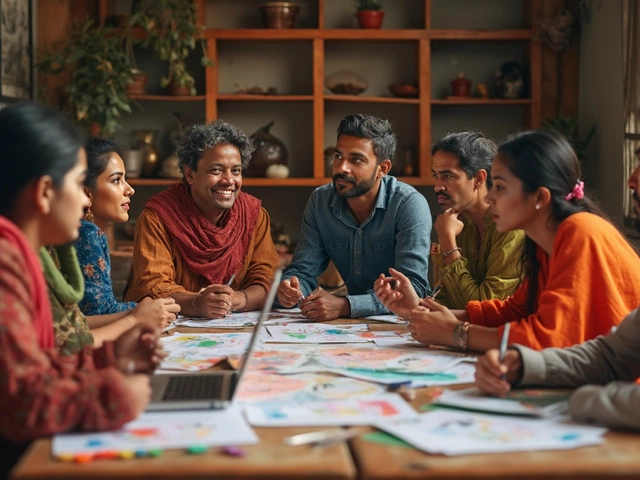
Have you ever wondered who is actually behind the scenes of that local food drive, the neighborhood clean-up, or the charity event you saw on social media? It’s rarely just one person. It’s usually a team of community outreach members individuals dedicated to building bridges between organizations and the people they serve. But what does this role actually look like in practice? Is it a full-time job, a volunteer gig, or something else entirely?
The term “community outreach member” can mean different things depending on the organization. For some, it’s a paid staff position focused on strategic partnership building. For others, it’s a volunteer role centered on showing up, listening, and connecting neighbors with resources. Understanding the difference is key if you’re looking to join a team, hire for this role, or simply understand how civic engagement works.
Defining the Role: More Than Just Handing Out Flyers
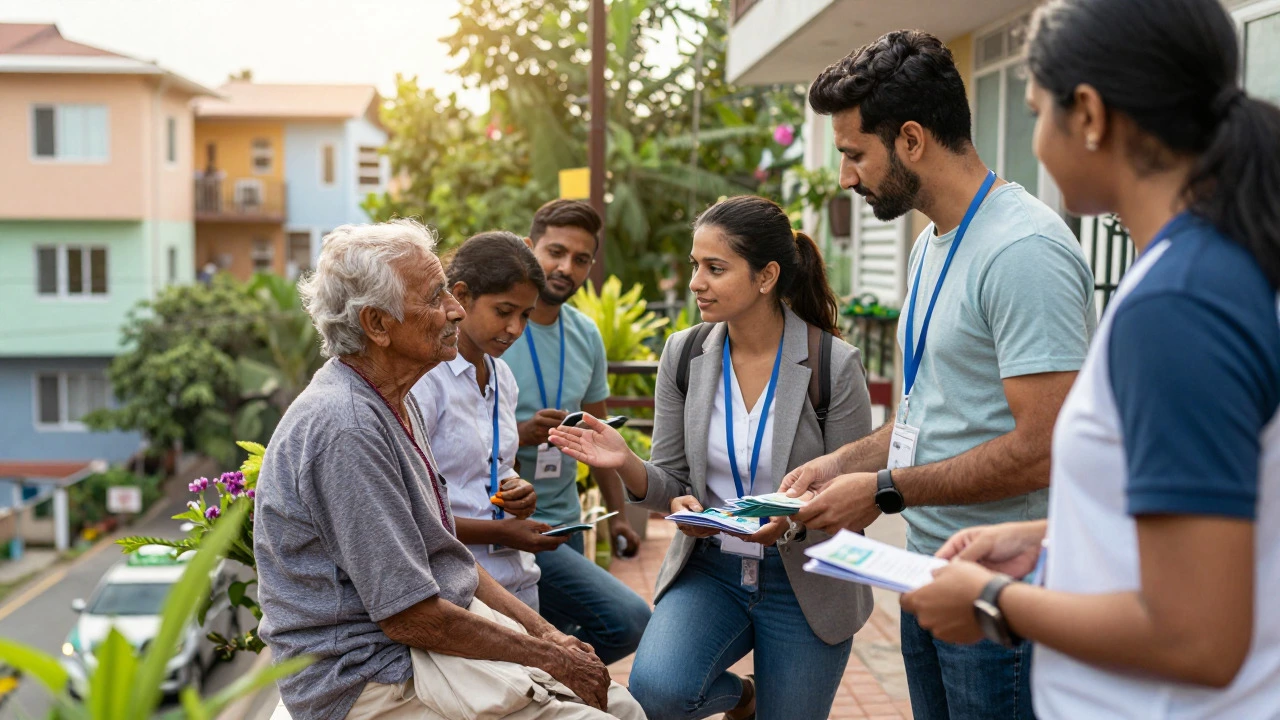
At its core, a community outreach member acts as the face and voice of an organization within a specific locality. They are the human connection point. While marketing teams might run ads online, outreach members are the ones knocking on doors, sitting at tables in public squares, and attending town hall meetings.
This role requires a blend of empathy, communication skills, and organizational know-how. An outreach member doesn’t just broadcast information; they listen. They gather feedback from residents about what they need and relay that back to the organization. This two-way street is what makes outreach effective. Without it, an organization might be offering services nobody wants or using language that alienates the very people they hope to help.
In many nonprofits, this role sits at the intersection of public relations managing the flow of information between an entity and the public, social work a profession dedicated to helping individuals and communities improve their well-being, and grassroots organizing. It’s less about corporate polish and more about authentic relationship building.
Key Responsibilities of a Community Outreach Member
If you step into this role, your day-to-day tasks will vary based on the mission of your group. However, certain responsibilities are universal across most sectors, whether you’re working for a homeless shelter, an environmental NGO, or a youth education program.
- Relationship Building: Establishing trust with local leaders, business owners, and residents. This involves consistent presence and follow-through on promises.
- Event Coordination: Planning and executing events such as workshops, fundraisers, or awareness campaigns. This includes logistics, promotion, and on-site management.
- Resource Distribution: Connecting community members with available services, such as health screenings, legal aid, or educational materials.
- Data Collection: Gathering insights about community needs through surveys, interviews, and observation to inform future strategies.
- Advocacy: Representing the voices of the community in broader policy discussions or organizational decision-making processes.
For example, an outreach member for a literacy nonprofit might spend mornings visiting local schools to coordinate reading programs, afternoons meeting with parents to discuss barriers to learning, and evenings preparing reports for the board of directors. The variety keeps the work dynamic but demands strong time-management skills.
Volunteer vs. Paid Positions: What’s the Difference?
One of the biggest points of confusion is whether being a community outreach member implies a paid job or a volunteer commitment. The answer is: both. The distinction usually lies in the scope of responsibility and the size of the organization.
| Feature | Volunteer Outreach Member | Paid Outreach Staff |
|---|---|---|
| Commitment Level | Flexible, often part-time (e.g., 5-10 hours/week) | Full-time or structured part-time contract |
| Primary Focus | Execution: Showing up, assisting at events, direct interaction | Strategy: Planning campaigns, managing budgets, evaluating impact |
| Training Provided | Basic orientation and safety briefings | Comprehensive training in CRM software, conflict resolution, and grant reporting |
| Decision-Making Power | Limited; follows established guidelines | High; contributes to program design and budget allocation |
| Typical Employers | Small grassroots groups, religious organizations, local clubs | Large NGOs, government agencies, corporate CSR departments |
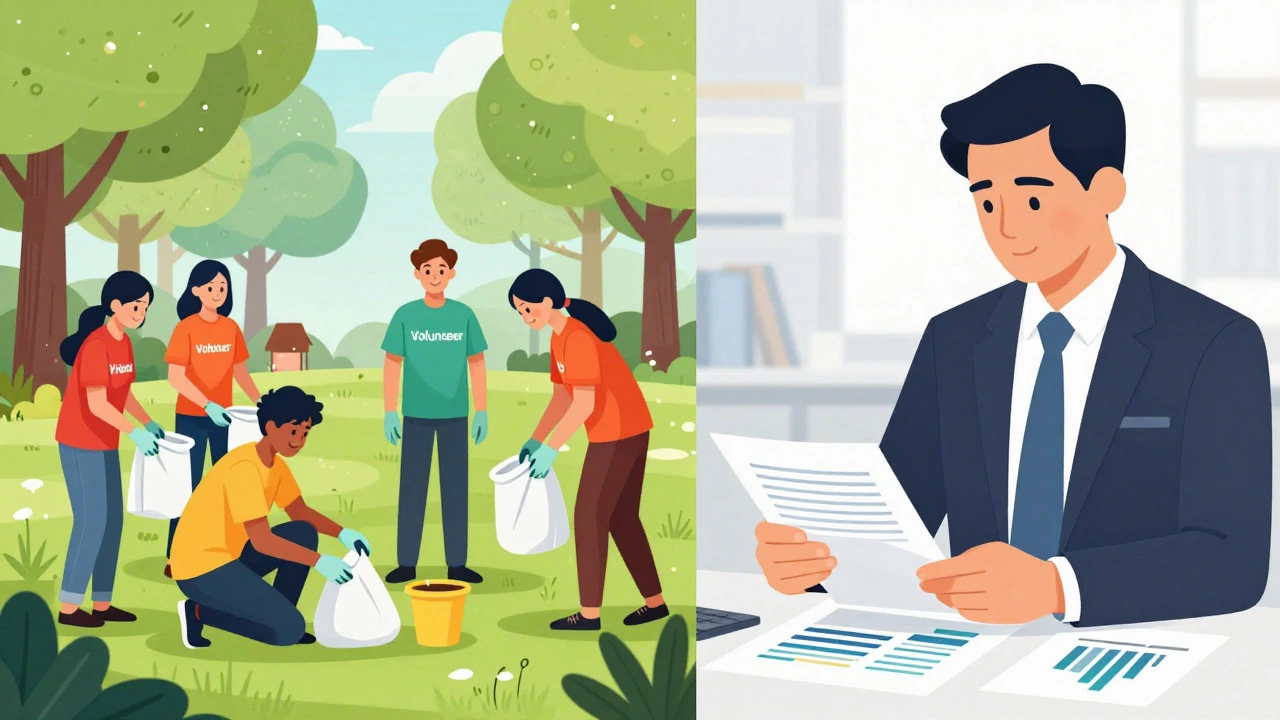
Volunteers are the backbone of many small initiatives. They provide the manpower needed to keep operations running without draining limited financial resources. Paid staff, on the other hand, bring continuity and professional expertise. They ensure that outreach efforts align with long-term goals and comply with legal and ethical standards. Both roles are vital, and many professionals start as volunteers before transitioning into paid positions.
Essential Skills for Success in Outreach
You don’t need a degree in sociology to be effective, but you do need a specific set of soft and hard skills. Technical proficiency is becoming increasingly important, even in grassroots roles.
Communication is paramount. This isn’t just about speaking clearly; it’s about active listening. You must be able to adapt your language and tone to different audiences. Explaining a complex housing policy to a senior citizen requires a different approach than discussing it with a city planner. Cultural competency is also crucial. In diverse neighborhoods, understanding cultural nuances prevents misunderstandings and builds deeper trust.
Digital literacy is no longer optional. Modern outreach relies heavily on social media platforms online channels used to share content and engage with audiences like Facebook, Instagram, and Nextdoor to spread the word. Outreach members often manage these accounts, create simple graphics using tools like Canva, and analyze engagement metrics. Additionally, familiarity with Customer Relationship Management (CRM) systems software used to track interactions with current and potential contacts helps organizations keep track of donor information, volunteer schedules, and community feedback.
Resilience and emotional intelligence are perhaps the most underrated skills. Outreach work can be emotionally taxing. You may encounter skepticism, hostility, or stories of hardship. Being able to regulate your own emotions while remaining empathetic to others is essential for long-term sustainability in this field.
Where Do Community Outreach Members Work?
The settings for this role are incredibly varied. Here are some common sectors where you’ll find these professionals:
- Nonprofit Organizations: From large international charities to small local shelters, nonprofits rely on outreach to raise funds and recruit volunteers.
- Government Agencies: Local councils and municipal departments hire outreach coordinators to implement public health campaigns, waste reduction programs, or voter registration drives.
- Healthcare Systems: Hospitals and clinics employ community health workers to connect underserved populations with medical care and preventive services.
- Education Sector: Schools and universities have outreach teams to support student recruitment, parent engagement, and alumni relations.
- Corporate Social Responsibility (CSR): Large companies often have outreach specialists who manage their philanthropic activities and community partnerships to enhance brand reputation and social impact.
Each sector has its own culture and challenges. Government roles may involve more bureaucracy, while nonprofit roles might require wearing many hats due to limited staff. Corporate roles often focus on alignment with business objectives. Knowing which environment suits your personality and career goals is important.
Impact and Challenges: The Reality of the Job
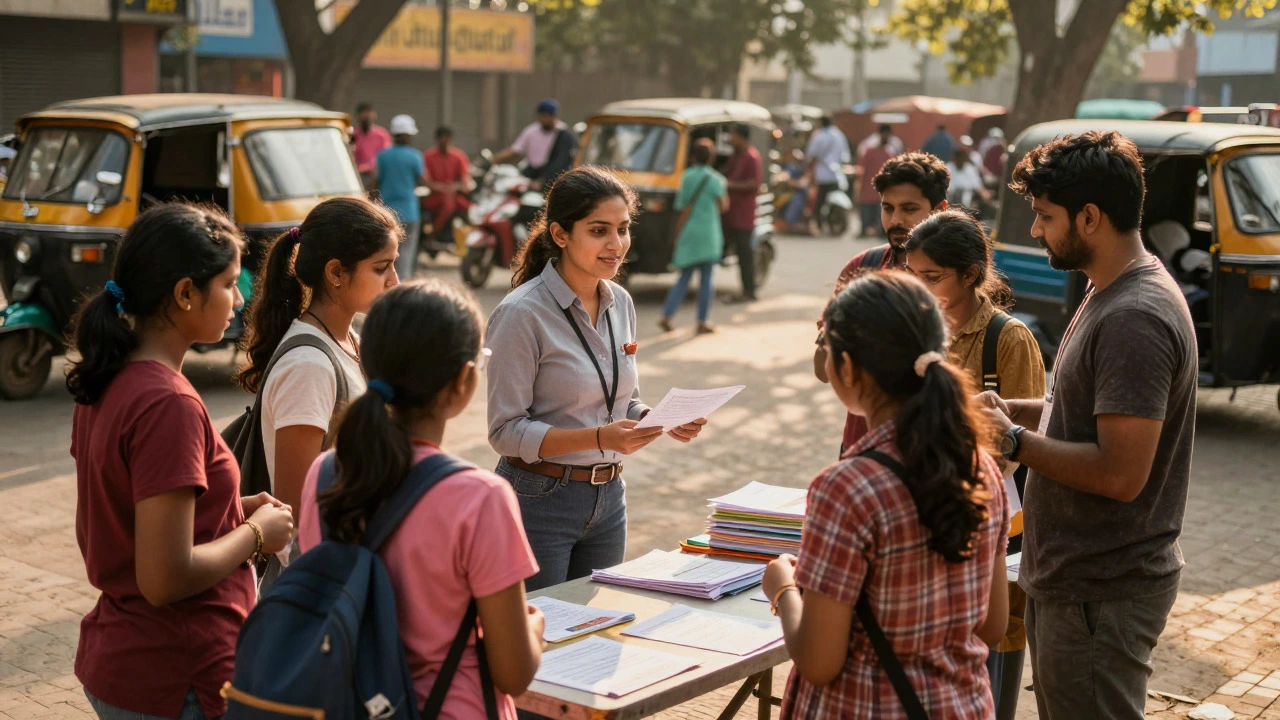
The impact of a skilled community outreach member is profound. They can literally change lives by connecting someone to a job, a meal, or a support network. They strengthen social cohesion and make communities more resilient. When done well, outreach fosters a sense of belonging and empowers individuals to take charge of their own circumstances.
However, the job comes with significant challenges. Burnout is common. The demand for help often outstrips available resources, leading to frustration. Outreach members frequently act as buffers between frustrated community members and slow-moving bureaucracies. This “middleman” pressure can be exhausting.
Funding instability is another major hurdle. Many outreach programs depend on grants or donations that can dry up unexpectedly. This uncertainty can make long-term planning difficult and lead to sudden layoffs or program cuts. Despite these obstacles, those who thrive in this role find deep satisfaction in the tangible differences they make every day.
How to Get Started in Community Outreach
If you’re inspired to become a community outreach member, there are several pathways to enter the field. You don’t need to wait for a perfect opportunity; you can create your own entry point.
- Start Volunteering Locally: Look for opportunities with organizations whose missions resonate with you. Even a few hours a week can give you valuable experience and references.
- Build Relevant Skills: Take free or low-cost courses in communication, project management, or data analysis. Platforms like Coursera or local community colleges offer accessible options.
- Network Intentionally: Attend community meetings, join local boards, or participate in civic forums. Let people know you’re interested in making a difference.
- Document Your Experience: Keep a journal of your activities, outcomes, and reflections. This portfolio will be invaluable when applying for paid positions.
- Apply for Entry-Level Roles: Look for titles like “Outreach Assistant,” “Community Liaison,” or “Program Coordinator.” These roles often serve as stepping stones to more senior positions.
Remember, authenticity matters more than perfection. Communities can spot insincerity from a mile away. Approach the work with humility, curiosity, and a genuine desire to serve.
Is community outreach a good career choice?
Yes, if you value meaningful work over high salaries. The field offers stability in growing sectors like healthcare and education, plus the chance to make a direct impact. However, expect modest pay initially and be prepared for emotional challenges.
Do I need a degree to work in community outreach?
Not always. While degrees in social work, communications, or public administration help, many employers prioritize experience and interpersonal skills. Demonstrated commitment through volunteering can sometimes outweigh formal education.
What is the average salary for a community outreach coordinator?
Salaries vary widely by location and sector. In many regions, entry-level positions range from $35,000 to $50,000 annually. Senior roles in large nonprofits or government agencies can exceed $70,000. Corporate CSR roles often pay higher, sometimes reaching $90,000+.
How does community outreach differ from marketing?
Marketing focuses on selling products or services, often using one-way communication. Community outreach emphasizes two-way dialogue, relationship building, and addressing community needs rather than just promoting an organization. Trust is the currency in outreach, not conversion rates.
Can remote work apply to community outreach roles?
Partially. Administrative tasks, digital campaigning, and data analysis can be done remotely. However, the core of outreach-face-to-face interaction, event coordination, and local networking-requires physical presence. Hybrid models are becoming more common.