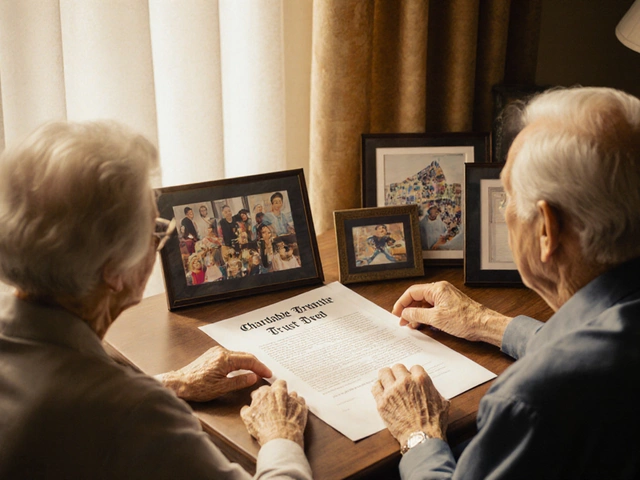
Volunteering isn’t just about giving your time-it’s about gaining something real in return. People often think of it as charity work, something you do for others. But if you’ve ever volunteered, you know it changes you, too. It’s not magic. It’s science, routine, and human connection all mixed together. Here are five clear, proven benefits you get when you show up to help.
You build stronger relationships
When you volunteer, you’re not alone. You’re working side by side with people who care about the same thing you do. That shared purpose creates bonds faster than small talk ever could. A 2023 study by the Corporation for National and Community Service found that 78% of volunteers reported deeper connections with their communities after just three months of regular service. Whether you’re packing meals at a food bank, tutoring kids after school, or cleaning up a local park, you’re not just helping strangers-you’re making friends. These aren’t surface-level connections. They’re the kind that last. People remember who showed up when things were messy or quiet. And that loyalty sticks.
Your mental health improves
Feeling overwhelmed? Stuck in a rut? Volunteering gives your brain a reset. Helping others triggers the release of dopamine and oxytocin-chemicals linked to happiness and trust. A Harvard T.H. Chan School of Public Health analysis of over 10,000 adults showed that people who volunteered regularly had lower rates of depression and reported higher life satisfaction than those who didn’t. It doesn’t matter if you’re helping for two hours a week or once a month. Showing up, even briefly, shifts your focus away from your own stress and onto something bigger. You start seeing problems you can solve, not just ones you can’t. That sense of agency? It’s powerful.
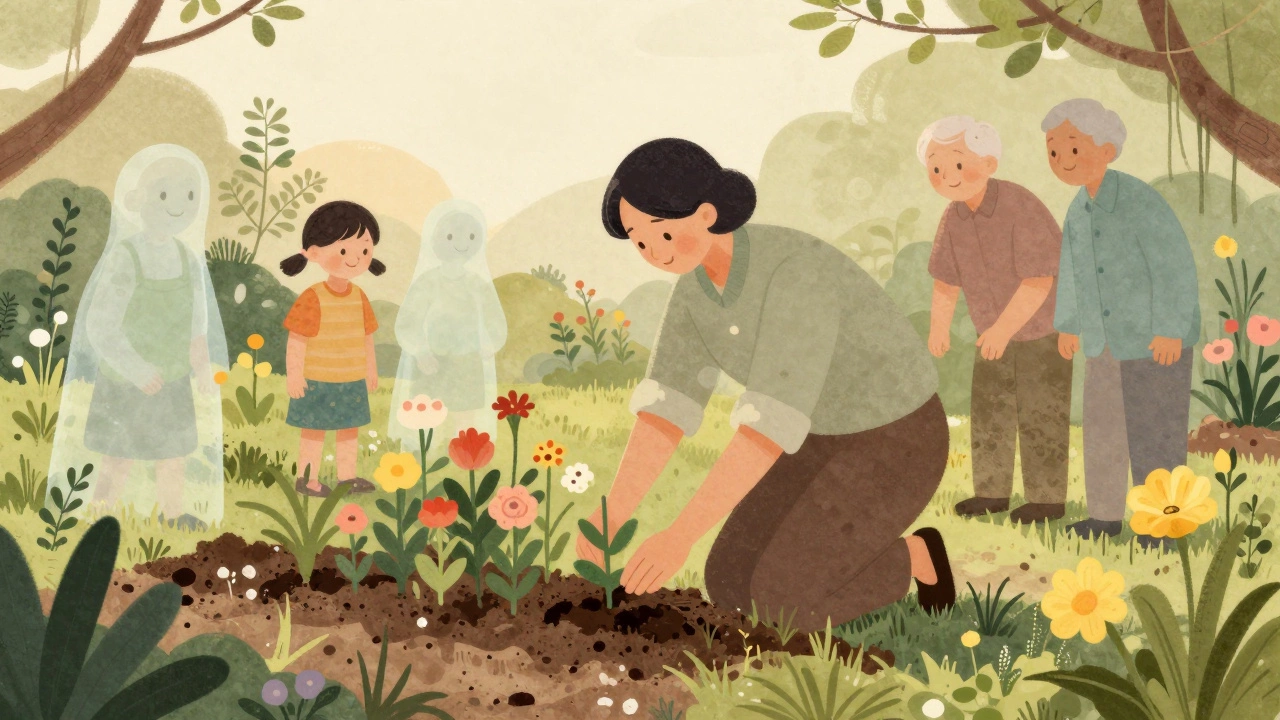
You develop new skills-without paying for a course
Want to learn project management, public speaking, or how to use social media for outreach? You don’t need to enroll in a class. Volunteer roles often require you to figure things out on the job. A teenager helping run a food drive learns logistics and team coordination. A retiree answering phones at a crisis hotline picks up active listening and emotional resilience. These aren’t fluffy skills. They’re the kind employers look for. A LinkedIn survey in 2024 found that 41% of hiring managers viewed volunteer experience as equally valuable as paid work when evaluating candidates. You’re not just giving your time-you’re building a resume that stands out.
You gain perspective on your own life
It’s easy to get caught up in your own problems. Bills, traffic, deadlines-they take up a lot of mental space. Volunteering pulls you out of that bubble. When you spend an afternoon serving meals to people who don’t have a home, or helping a senior citizen with their groceries, you start seeing your own challenges differently. You realize what’s urgent versus what’s just noisy. You don’t need to go to a faraway country to feel this shift. It happens in your own neighborhood. One volunteer at a local shelter told me, "I used to complain about my rent. Now I count how many people I’ve helped get a warm meal this month." That kind of clarity doesn’t come from therapy or self-help books. It comes from showing up.
You become part of something lasting
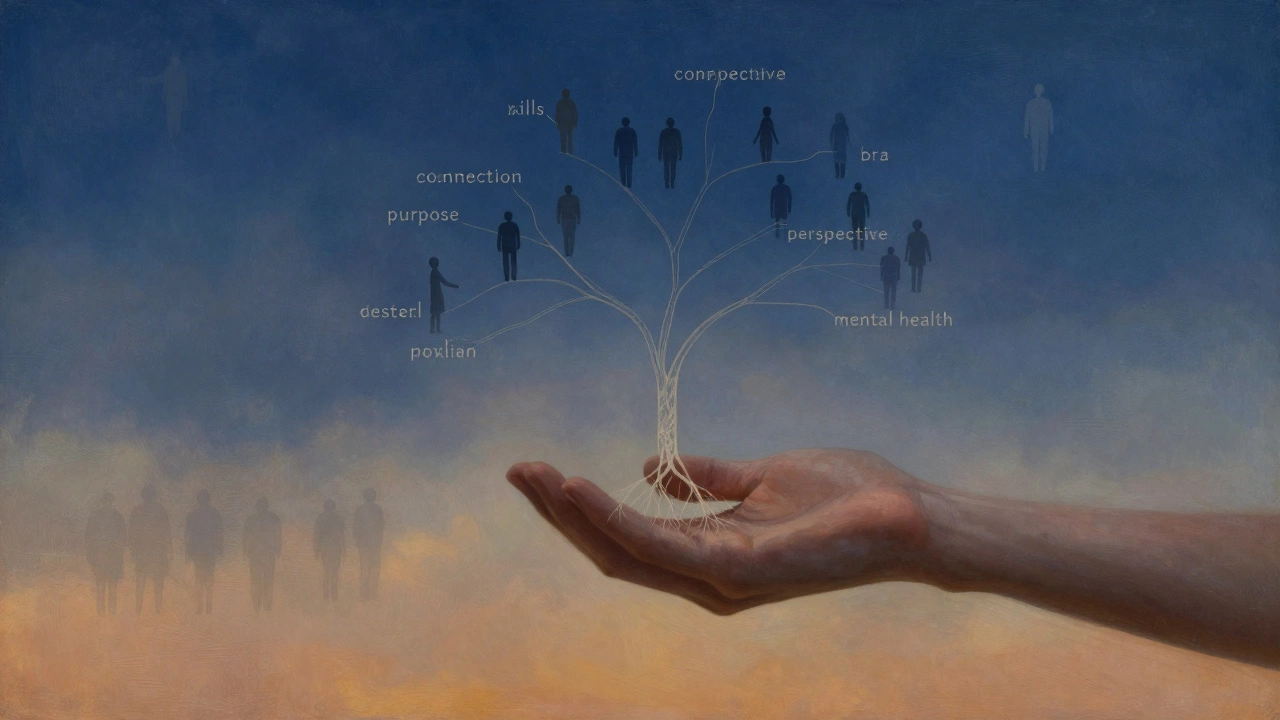
Most of what we do every day fades quickly. Emails get deleted. Meetings end. Projects close. But volunteer work? It leaves traces. A garden you helped plant keeps growing for years. A tutoring program you joined keeps helping kids long after you’ve moved on. A senior center you visited regularly becomes a safe space because you showed up week after week. These aren’t one-time acts. They’re contributions to systems that outlast you. The impact isn’t always loud. Sometimes it’s quiet-a child who finally reads a full book because you read with them. A lonely person who smiles again because someone remembered their name. That’s the kind of legacy that doesn’t show up on a spreadsheet. But it shows up in real lives.
It’s not about being perfect
You don’t need to be an expert. You don’t need to have all the time in the world. You just need to show up. Even two hours a month can make a difference-to someone else, and to you. The best part? You don’t have to wait for the perfect opportunity. There’s always a need close by. Food banks, libraries, animal shelters, youth centers-they’re all looking for people who care enough to try. Start small. Stay consistent. And pay attention to how you feel afterward. You might be surprised.
Do I need special skills to volunteer?
No. Most organizations welcome people with no prior experience. They provide training on the spot. Whether you’re sorting donations, walking dogs, or helping with event setup, you’ll learn as you go. The most important skill is willingness.
How much time do I need to commit?
It varies. Some roles need just one hour a month. Others might ask for a few hours a week. Many organizations offer flexible options-weekend shifts, remote tasks, or one-time events. You choose what fits your schedule. There’s no pressure to do more than you can.
Can volunteering help me find a job?
Yes. Many employers value volunteer experience because it shows initiative, reliability, and teamwork. If you’re changing careers or just starting out, volunteering gives you real-world examples to talk about in interviews. It fills gaps on your resume and proves you can take responsibility.
What if I don’t know where to start?
Start by asking yourself what you care about. Animals? Kids? The environment? Then search for local groups that match that interest. Websites like VolunteerMatch.org or local community centers often list opportunities by cause and availability. You can also call a library or city hall-they usually have a list of volunteer needs in your area.
Is volunteering worth it if I’m busy?
It’s often more worth it when you’re busy. When life feels overwhelming, helping others gives you a sense of control and purpose. Even 90 minutes a month can reset your mood and remind you what matters. You don’t need to sacrifice your whole life to make a difference. Just show up when you can.