Risk Management in Community Organizations: Protect Your Efforts, Maximize Impact
When you're running a community project, risk management, the process of identifying, evaluating, and reducing threats to a group’s mission, safety, or resources. Also known as organizational safety planning, it's not about avoiding danger—it's about making sure your good work doesn’t get derailed by something preventable. Whether you’re starting a school club, organizing a food drive, or managing a charitable trust, ignoring risk is like driving without seatbelts. You might get there, but one wrong turn could cost you everything.
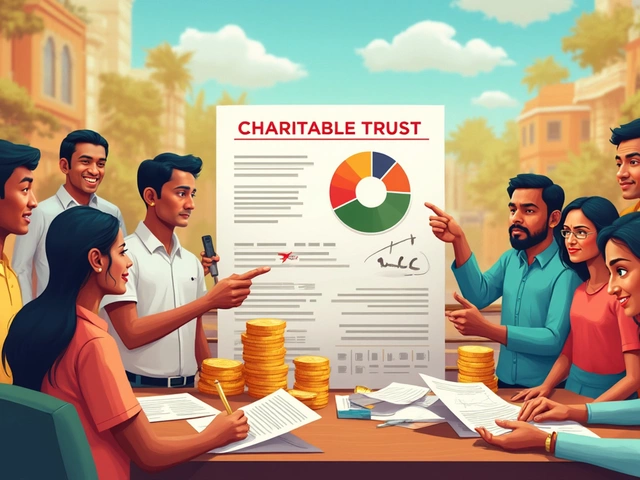
Volunteer safety, a core part of risk management for any group relying on unpaid help isn’t just about signing waivers. It’s about knowing who shows up, where they go, and what could go wrong. A kids’ group needs background checks. A charity shop needs fire exits. A food distribution program needs storage rules. These aren’t bureaucracy—they’re the quiet backbone of trust. And when it comes to charitable trust risks, the hidden pitfalls in long-term giving tools like remainder trusts, the stakes are even higher. Irrevocable doesn’t mean safe. Tax surprises, mismanaged assets, or unclear beneficiary rules can turn a legacy into a legal mess. People don’t talk about this enough, but the posts here lay it out plainly: what breaks, why it breaks, and how to fix it before it’s too late.
Community outreach plans fail not because no one cares, but because no one planned for the unexpected. What if your venue cancels? What if a volunteer gets hurt? What if donors pull out? Nonprofit planning, the ongoing process of preparing for real-world obstacles isn’t about being paranoid. It’s about being smart. The posts below don’t give you fluff. They show you how school clubs avoid burnout, how food programs handle eligibility errors, how outreach teams track real outcomes instead of fake metrics. You’ll see what went wrong in real cases—not hypotheticals—and how people fixed them with simple, low-cost steps.
You don’t need a lawyer or a budget to manage risk. You just need to ask the right questions before you start. Who’s responsible? What’s the worst that could happen? How do we recover? The answers are already in the stories here—straight from people who’ve been there. Let’s get you ready for what’s next, not just what’s planned.
28 January 2025
Elara Greenwood
Volunteering is a noble and rewarding opportunity, but it carries certain risks that need careful consideration. Understanding these potential hazards and how to mitigate them not only ensures personal safety but also enhances the overall volunteer experience. This article delves into the various risks associated with volunteering, provides insight into real-life scenarios, and shares practical tips to stay safe and make a positive impact. By being well-prepared, volunteers can navigate their roles effectively and preserve the spirit of giving without unintended consequences.
Continue Reading...