Rich vs Poor: Why Inequality Shapes Volunteerism, Charity, and Community Action
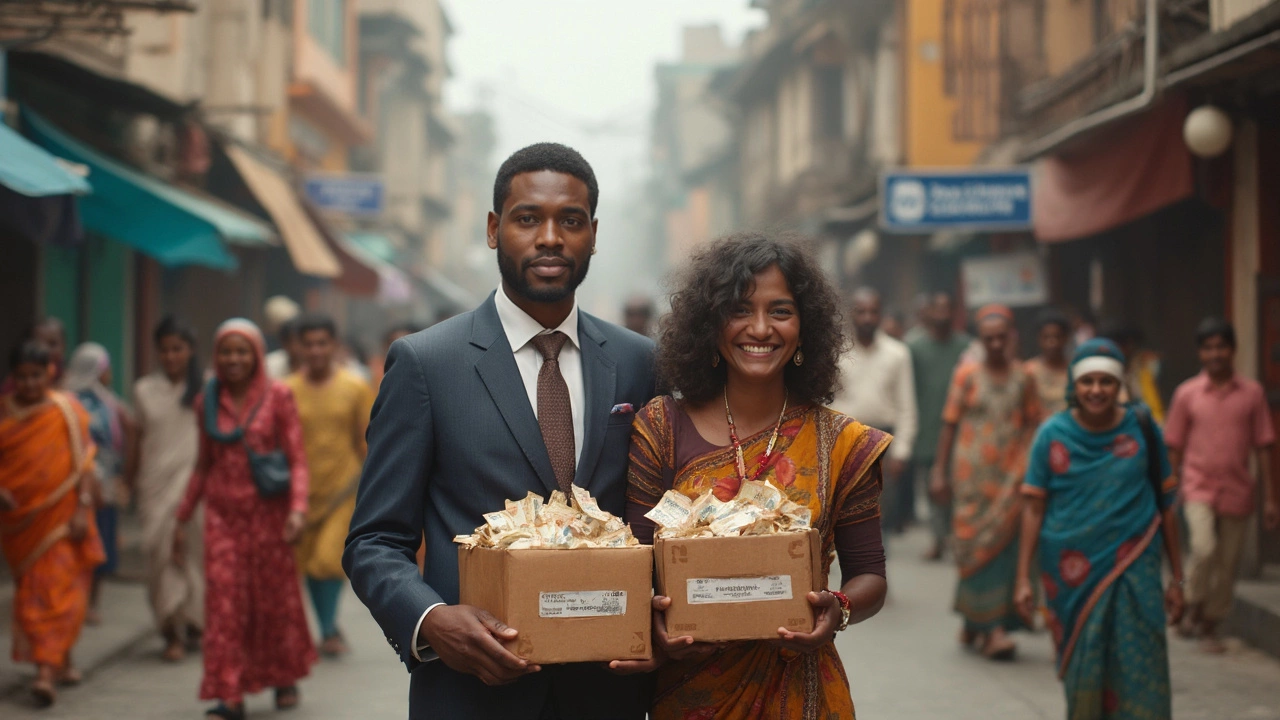
When we talk about rich vs poor, the divide between those with financial security and those struggling to meet basic needs, we’re not just talking about bank balances. We’re talking about who gets fed, who gets heard, and who gets to show up when help is needed. This gap doesn’t just exist in headlines—it shapes how charities operate, why volunteers burn out, and who gets left behind when programs fall short. In places like India, where millions live on less than $2 a day, the charitable trust, a legal tool that lets people give assets to support long-term causes becomes a lifeline for some and a privilege for others. Meanwhile, charity shops, local stores run by nonprofits to raise funds, often relying on volunteers become more than just places to buy secondhand clothes—they’re survival hubs for families and testing grounds for how society treats those with less.
The truth is, the rich vs poor divide doesn’t just affect who receives aid—it changes who gives it, how it’s given, and whether it actually helps. Wealthier communities often have the time, connections, and resources to start nonprofits, fund events, or create after-school clubs. But in low-income neighborhoods, the same people who need help are often the ones showing up to volunteer—because no one else is there. That’s why volunteerism is dropping: people are tired, overworked, and stretched thin. When you’re choosing between paying rent and showing up for a food drive, volunteering isn’t a choice—it’s a luxury. And when charities assume everyone has free time or disposable income, they miss the real needs on the ground. The biggest environmental charities might raise millions, but if they don’t understand how poverty limits access to clean water or safe housing, their impact stays surface deep.
What’s missing isn’t more money—it’s better design. A school club that works for rich kids might look like debate team or robotics. For kids in struggling neighborhoods, it might be a place to get a hot meal, talk to an adult who listens, or just feel safe after school. The same goes for outreach programs: if they’re built around formal applications, paperwork, and office hours, they’ll fail where people need help right now—on the street, at the bus stop, or in a cramped apartment. The posts below don’t just talk about charity or volunteering. They show you how real people are fixing broken systems, one small, smart step at a time. You’ll find stories about what actually works when money is tight, time is scarce, and the gap between rich and poor feels wider than ever.
23 April 2025
Elara Greenwood
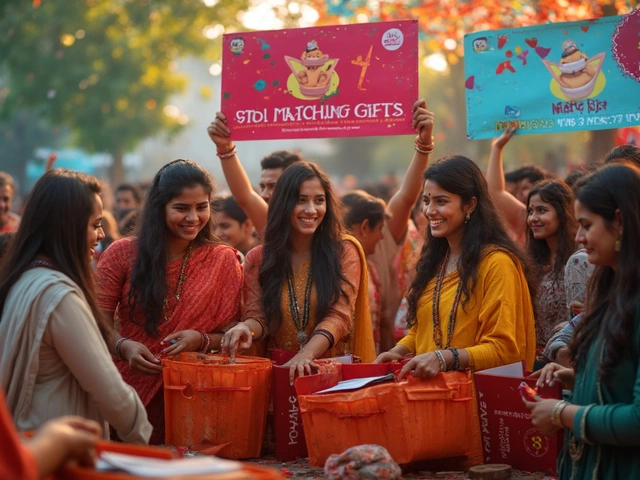
Ever wondered who truly donates more to charity, the rich or the poor? This article breaks down what studies show about generosity, income levels, and real patterns behind giving. We’ll dive into how giving habits differ, why motivations matter, and what this means at charity events. If you want honest answers and helpful tips on supporting a cause, you’re in the right place.
Continue Reading...