How to Start a Successful Fundraising Event: Step-by-Step Guide
Planning your first fundraising event? Get tips, real facts, and a step-by-step guide for a charity event that brings real money and happy donors.
Continue Reading...When you think of event planning, the process of organizing gatherings with clear goals, logistics, and community involvement. Also known as community event coordination, it’s not just about booking a hall and sending invites—it’s about creating moments that bring people together for a reason that lasts longer than the day itself. Most people assume it’s about decorations and schedules, but the real work happens before the first guest arrives: figuring out who you’re serving, why they should care, and how to make sure they feel seen.
Charity event, a gathering designed to raise support for a cause through donations, awareness, or volunteer action is one of the most common uses of event planning. But not all charity events work. Some fill a room but leave no impact. Others feel forced, like a checklist item instead of a genuine effort. The difference? Successful ones start with a clear need—not a budget. They ask: Who benefits? Who shows up? And why should anyone care? That’s where community outreach, the intentional effort to connect with people outside existing networks to build trust and share resources comes in. You can’t plan an event in a vacuum. You need to listen first. Talk to teachers, parents, seniors, teens. Find out what’s missing in their lives, then build the event around that.
Then there’s volunteer coordination, the backbone of most community events, involving recruitment, training, scheduling, and keeping people engaged without pay. Volunteers don’t show up because they have extra time—they show up because they believe in the cause. But if you treat them like disposable labor, they’ll leave. Good coordination means giving them real roles, clear instructions, and thanks that feel real. It’s not about handing out t-shirts. It’s about making them feel like part of the solution.
And let’s not forget fundraising, the process of gathering financial or material support for a cause through events, campaigns, or direct appeals. It’s not magic. It doesn’t happen because you put a donation box on a table. It happens when people trust you. When they’ve seen your work, met your team, and know their money won’t vanish into paperwork. That’s why the best fundraisers aren’t flashy—they’re honest, consistent, and rooted in relationships.
What you’ll find in the posts below isn’t a list of templates or generic checklists. It’s real talk from people who’ve done this. From how to turn a school club into something students actually want to join, to why volunteers stop showing up and how to fix it. You’ll see how to plan a charity event that doesn’t burn people out, how outreach isn’t just handing out flyers, and what really makes a community event stick. No fluff. No buzzwords. Just what works when you’re trying to make a difference where you live.
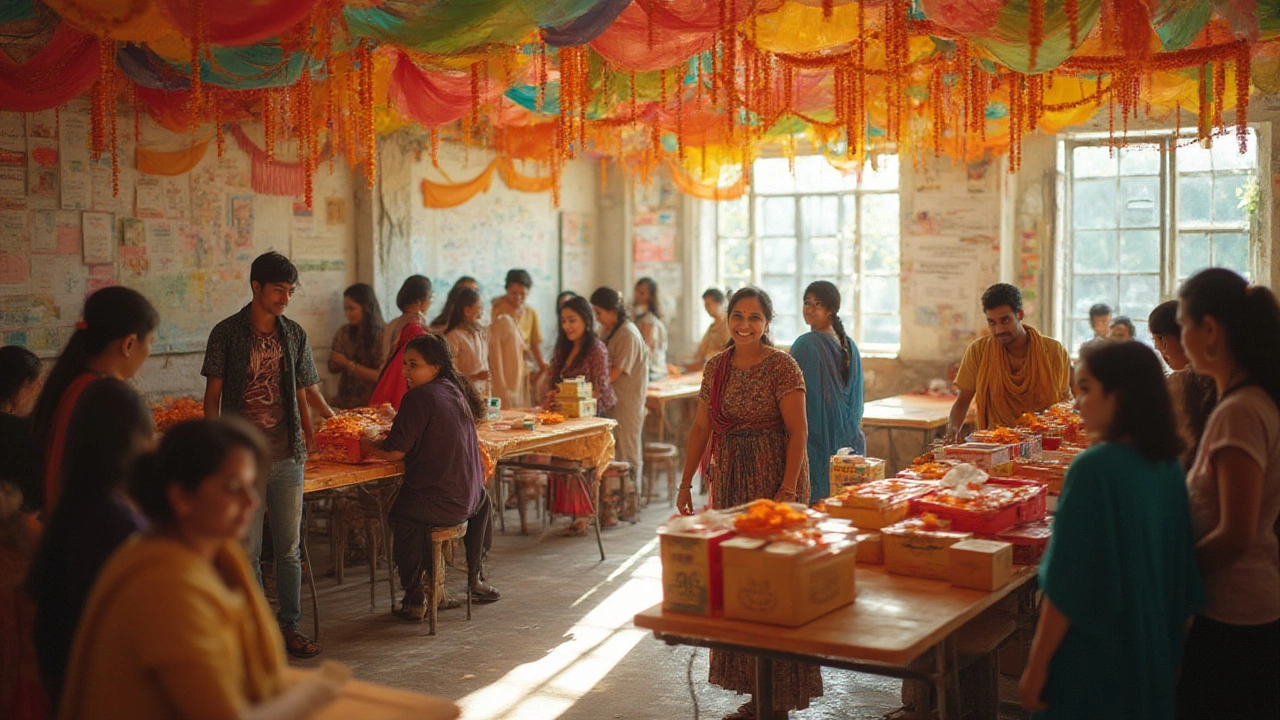
Planning your first fundraising event? Get tips, real facts, and a step-by-step guide for a charity event that brings real money and happy donors.
Continue Reading...