Ecosystems: How Living and Nonliving Things Shape Our Communities
When we talk about ecosystems, a network of living organisms and their physical environment interacting as a system. Also known as natural systems, it includes everything from the soil under your feet to the birds overhead—and how people fit into that mix. It’s not just about forests or oceans. Your neighborhood park, the river down the street, even the urban garden on your block—all of it is part of an ecosystem. And if you’re involved in volunteering, charity work, or community outreach, you’re already working inside one.
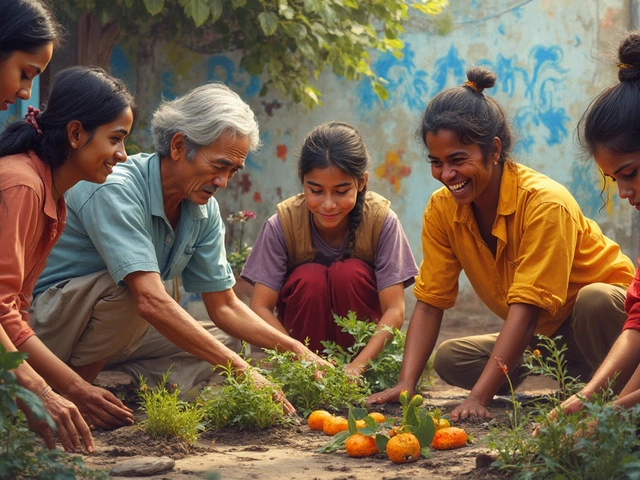
Every ecosystem has two main parts: biotic, the living components like plants, animals, and people, and abiotic, the nonliving parts like water, air, sunlight, and soil. You can’t fix one without the other. A charity that plants trees but ignores clean water access is missing half the picture. A school club that teaches kids about birds but never gets them outside to see the dirt and bugs? It’s just theory. Real impact happens when you connect people to both the living and nonliving parts of their environment.
And it doesn’t stop there. environmental services, the benefits nature provides to humans, like clean air, food, flood control, and even mental peace—these are what make community projects matter. When you run a food box program, you’re helping people access a provisioning service. When you organize a clean-up, you’re supporting a regulating service. When you start a youth group that gets kids outside, you’re tapping into cultural services—the emotional and spiritual value people get from nature. These aren’t buzzwords. They’re the real reasons why some programs last and others fade.
People think helping the environment means big protests or donating thousands. But most of the time, it’s small, local, and tied to daily life. It’s the volunteer who checks on seniors during heatwaves because they know the air quality is bad. It’s the teacher who turns a school club into a composting project because students care about what happens to their food waste. It’s the outreach worker who maps out where trash piles up and why—then finds the right people to fix it. These aren’t random acts. They’re responses to how ecosystems actually work.
That’s why the posts here aren’t just about ‘saving the planet.’ They’re about understanding how people, nature, and systems connect. You’ll find real examples of how charities operate, why volunteers stick around (or quit), how outreach actually works on the ground, and what makes some environmental groups more effective than others. No fluff. No vague promises. Just clear, practical insights from people who’ve been there—doing the work, not just talking about it.
26 February 2025
Elara Greenwood
Dive into the fascinating world of the 4 major environments: Forests, Deserts, Aquatic, and Grasslands. Discover unique facts, understand their dynamics, and learn how they impact our world. Find practical tips on how to protect these ecosystems and why it matters for our future. Whether you're an environmental enthusiast or just curious, this guide offers a comprehensive view.
Continue Reading...