Zero-Cost Meal Calculator
Enter the ingredients you have from the article's cheapest staples to see how many servings you can make for $0.
Estimated Cost: $0
Based on current prices in New Zealand
Recommended Meal
Need more options? Try these from the article:
- Rice and beans with tomato paste
- Oatmeal with banana and cinnamon
- Potato and carrot stew with soy sauce
When money runs out but hunger doesn’t, you’re not alone. In Wellington and across New Zealand, thousands of people face this every week. You don’t need to be homeless to struggle with food. A sudden bill, a missed shift, or a broken-down car can wipe out your grocery budget overnight. The good news? There are real, working ways to eat without spending a cent-or close to it.
Know where to find free food
Food banks aren’t just for emergencies. In New Zealand, organisations like Foodbank New Zealand a national network that distributes donated food to community agencies work with local groups to hand out groceries at no cost. You don’t need to prove you’re poor. You don’t need an application. Just walk in. Many food banks are open once or twice a week. Some even offer hot meals. In Wellington, places like the Wellington Food Bank a community-run food distribution centre serving over 10,000 people annually and The Salvation Army a long-standing provider of emergency food and support services across New Zealand have no questions asked. Bring a bag. Show up during opening hours. You’ll get bread, canned goods, pasta, rice, and sometimes fresh fruit or eggs.
Use your local community pantry
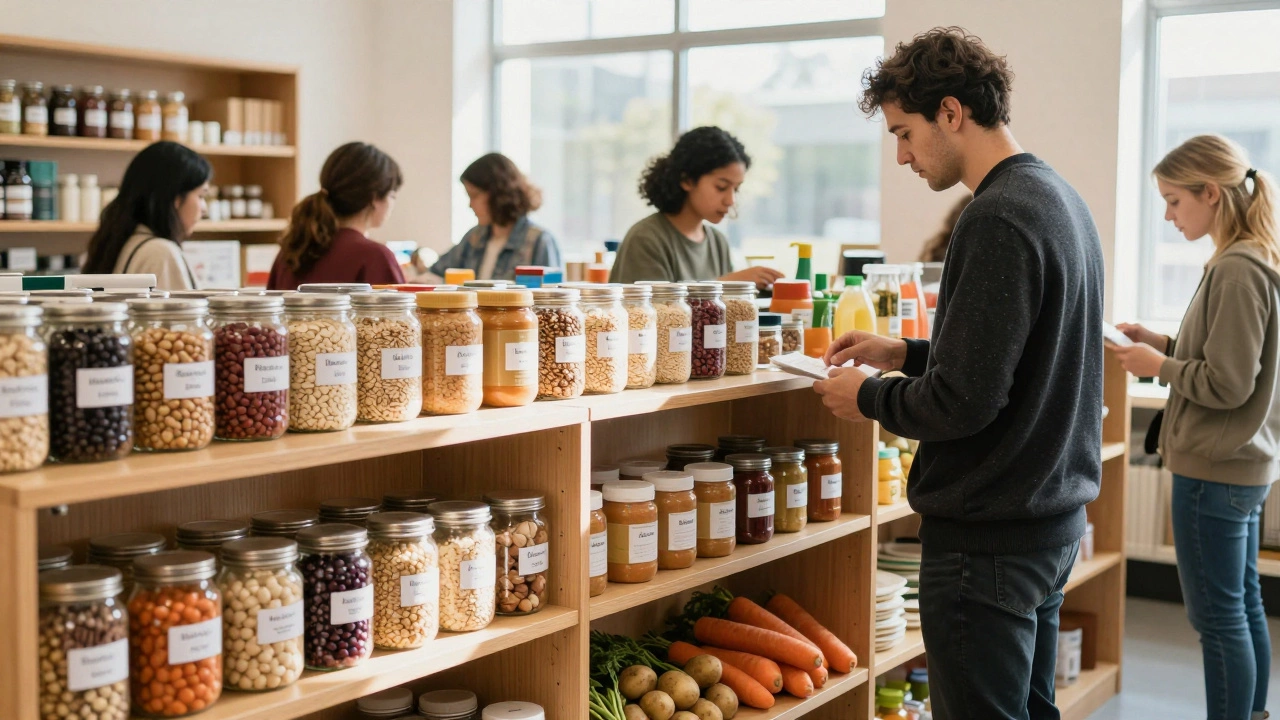
Community pantries are changing how people access food. These are free shelves in churches, libraries, or community centres where anyone can take what they need and leave what they can. No sign-up. No ID. No judgment. In Wellington, the Te Aro Community Pantry a grassroots food-sharing space in central Wellington opened in 2023 and now serves over 300 people a month. You’ll find tinned beans, oatmeal, peanut butter, and even toilet paper. It’s not fancy, but it keeps you fed. If your area doesn’t have one, ask your local library or church-they might be willing to start one.
Learn the magic of cheap staples
If you can stretch a few dollars, you can eat well. The cheapest, most filling foods in New Zealand are:
- Rice - $2 for a 1kg bag. Cooks into three meals.
- Oats - $3 for a 1kg tub. Makes breakfast, snacks, even baking.
- Dried beans - $1.50 for 500g. Soak overnight, boil, and add to rice or pasta.
- Pasta - $1.50 for 500g. Tastes better with a spoon of tomato paste and a sprinkle of garlic powder.
- Canned tomatoes - $1.50 per can. Add to rice or beans for a sauce.
- Carrots and potatoes - $1 each at discount supermarkets. Roast them together for a filling meal.
You don’t need meat. You don’t need fancy spices. A pot of rice with beans and a dash of soy sauce is more than enough. One 1kg bag of rice, a bag of carrots, and a tin of tomatoes can feed you for five days. That’s less than $10 total.
Ask for help before you run out
Waiting until you’re starving makes everything harder. If you know you’re running low, call ahead. Many food banks let you book a slot so you don’t have to wait in line. Some even deliver to people who are sick or have no transport. The Community Law a free legal aid service in New Zealand that helps with social welfare rights can tell you what benefits you might be eligible for-even if you think you don’t qualify. You might be able to get a $100 emergency grant from Work and Income. It’s not much, but it can cover a week of rice, beans, and bread.
Don’t throw food away
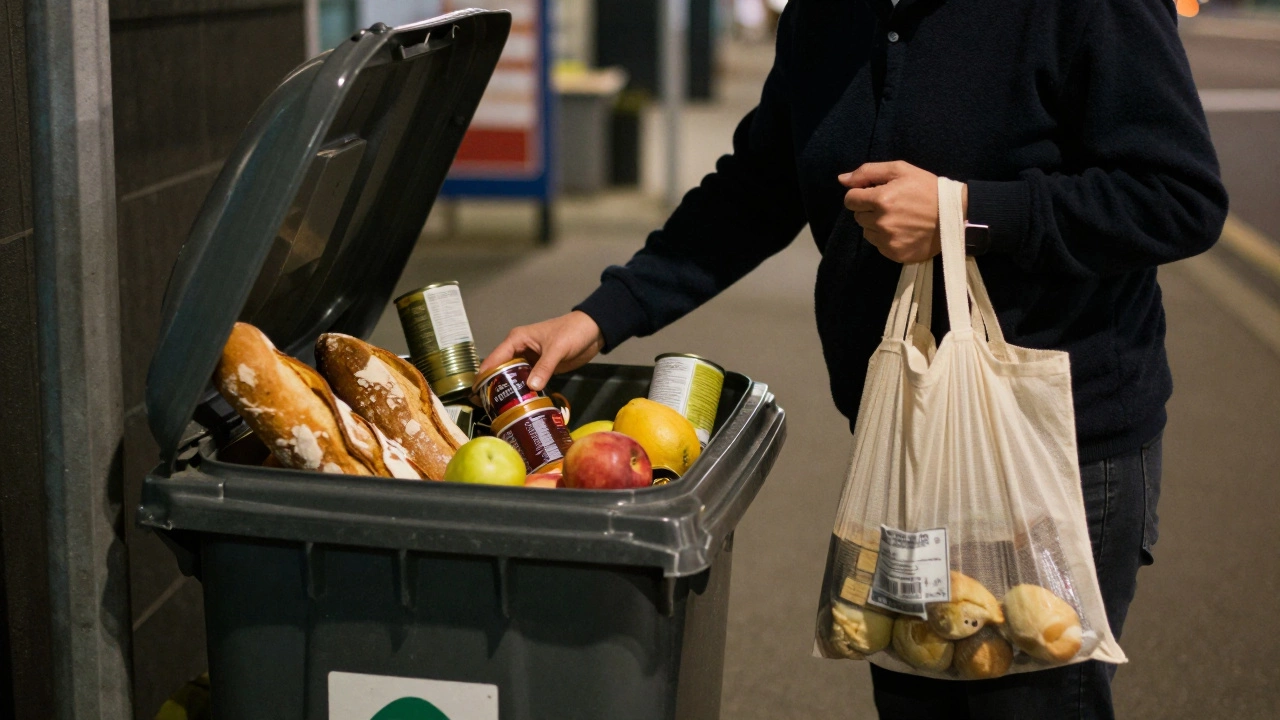
Most people don’t realise how much edible food ends up in bins. Supermarkets in Wellington like Pak’nSave a discount supermarket chain in New Zealand with daily food waste bins and The Warehouse a retail chain that often discards near-expiry food throw out bread, fruit, and veggies that are still good. Many have designated bins outside after closing. Go after 9pm. Wear dark clothes. Be quiet. Take what you can carry. You’ll be surprised how much you can find: apples with a bruise, yoghurt a day past its date, bread that’s a little stale. These aren’t waste-they’re food. And they’re safe to eat if you cook them.
Share and swap
Food doesn’t have to be free to be cheap. Join a local Food Swap a community-based initiative where people exchange homegrown or home-cooked food. In Wellington, groups meet in parks or community halls once a month. Bring two jars of homemade jam, take home a bag of potatoes. Bring extra eggs, leave with onions. No money changes hands. It’s about community, not commerce. If you grow herbs, bake bread, or have a garden, you have something to give. And you’ll get something back.
What not to do
Don’t skip meals hoping you’ll feel less hungry. Your body doesn’t work that way. Skipping meals slows your metabolism and makes you crave sugar and junk food later. Don’t rely on instant noodles every day. They’re cheap, but they’re not food. They’re carbs with salt. Don’t feel ashamed to ask. Everyone needs help sometimes. And the people who run food banks? They’ve seen it all. They’ve been broke too. They’re not judging you. They’re just glad you showed up.
Emergency meal ideas (zero to $2)
Here are three meals you can make with almost nothing:
- Rice and beans - Cook 1/2 cup rice. Add 1/2 cup dried beans (soaked overnight). Boil together. Add a spoon of tomato paste. Salt if you have it. Serves two.
- Oatmeal with banana - Boil 1/2 cup oats in water. Mash half a banana into it. Add a pinch of cinnamon if you have it. Warm, filling, and lasts until lunch.
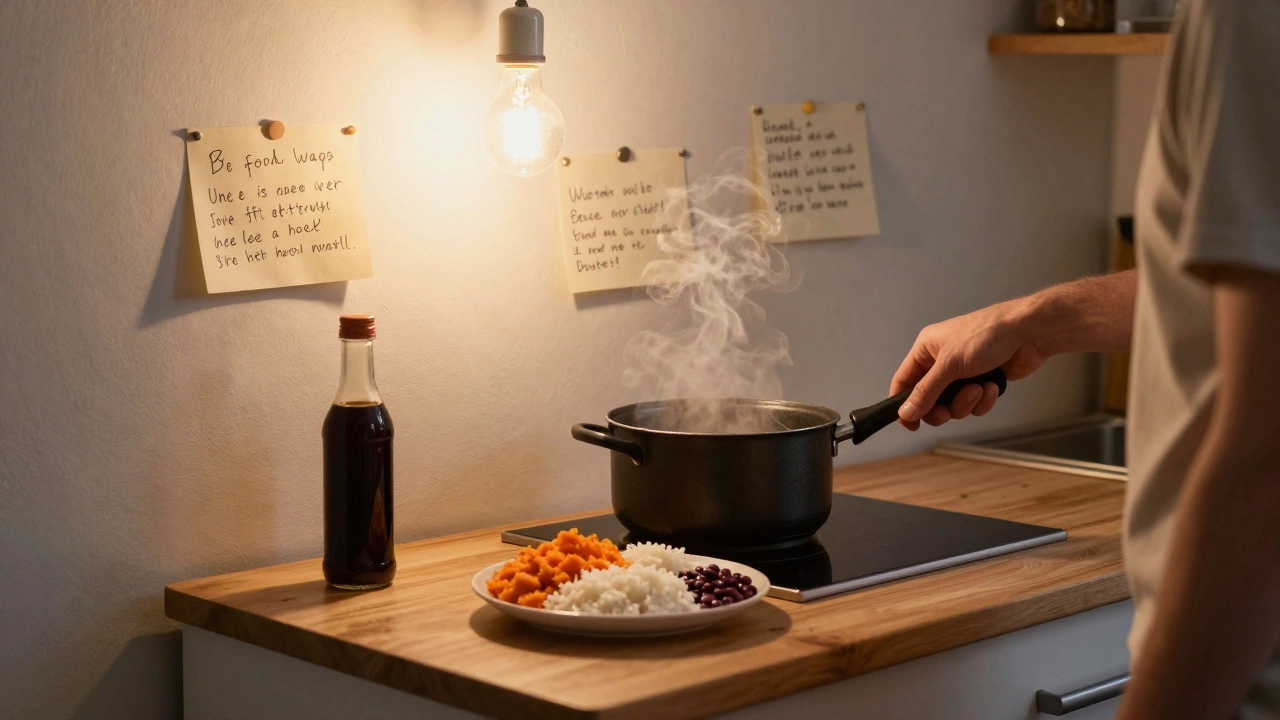
- Potato and carrot stew - Chop two potatoes and three carrots. Boil in water for 20 minutes. Mash with a fork. Add a splash of soy sauce. No meat? No problem. It’s still food.
Final thought: You’re not broken
Being broke doesn’t mean you’re failing. It means you’re living in a system that doesn’t always work for people who need it most. Eating when you’re broke isn’t about being clever. It’s about knowing where to look. Food banks, community pantries, and shared meals aren’t charity-they’re survival networks. And they’re there because people like you kept asking, kept showing up, kept refusing to go hungry alone.
Can I get food from a food bank without ID?
Yes. In New Zealand, most food banks don’t require any identification. You don’t need to prove your income, show a bank statement, or even give your name. Just walk in during opening hours. The only thing they ask is that you take what you need and leave room for others.
Are food banks only for homeless people?
No. Food banks serve people of all backgrounds-working parents, students, retirees on fixed incomes, people recovering from illness, and those who lost a job. One in five New Zealanders has used a food bank at least once. You don’t have to be homeless to be hungry.
Can I get fresh food from food banks?
Yes. Many food banks now offer fresh produce like apples, carrots, onions, and even eggs. This is thanks to donations from local farms and supermarkets that would otherwise go to waste. In Wellington, some sites even have small gardens where volunteers grow herbs and vegetables.
Is it safe to eat food from supermarket bins?
Yes, if you’re careful. Food past its "best before" date is still safe to eat-unless it’s mouldy, smells bad, or is damaged. "Use by" dates are stricter, especially for meat and dairy, so avoid those. But bread, fruit, and canned goods are usually fine. Many people in Wellington and Auckland do this regularly. It’s not illegal, and it’s not dangerous.
What if I can’t get to a food bank?
Call Community Law on 0800 262 242. They can help you apply for emergency financial assistance through Work and Income. You can also ask local churches or community centres-they often have volunteers who deliver food to people who can’t leave home.