
Homeless Support & Resource Finder
Find state-specific strategies, compare support models, and locate immediate help resources.
It’s a question that haunts anyone who cares about social justice: if you’re struggling with homelessness, where should you go? Or, if you’re looking to help, which states are actually doing the right thing? The answer isn’t simple. There is no single “best” state because homelessness looks different in every corner of the country. However, some states have built systems that genuinely work-systems that prioritize getting people into permanent homes rather than just keeping them in temporary beds.
In 2026, the landscape of homeless support is defined by a shift from emergency management to long-term stability. States like Massachusetts, Utah, and Hawaii have pioneered models that others are still trying to catch up to. But what makes a state “good” at helping the homeless? It comes down to three things: funding, policy philosophy, and the availability of affordable housing stock.
The Housing First Revolution
To understand which states lead the pack, you first need to understand the strategy they use. For decades, the standard approach was “treatment first.” You had to be sober, employed, or mentally stable before you could qualify for housing. This created a bottleneck. People stayed on the streets because they couldn’t meet arbitrary criteria.
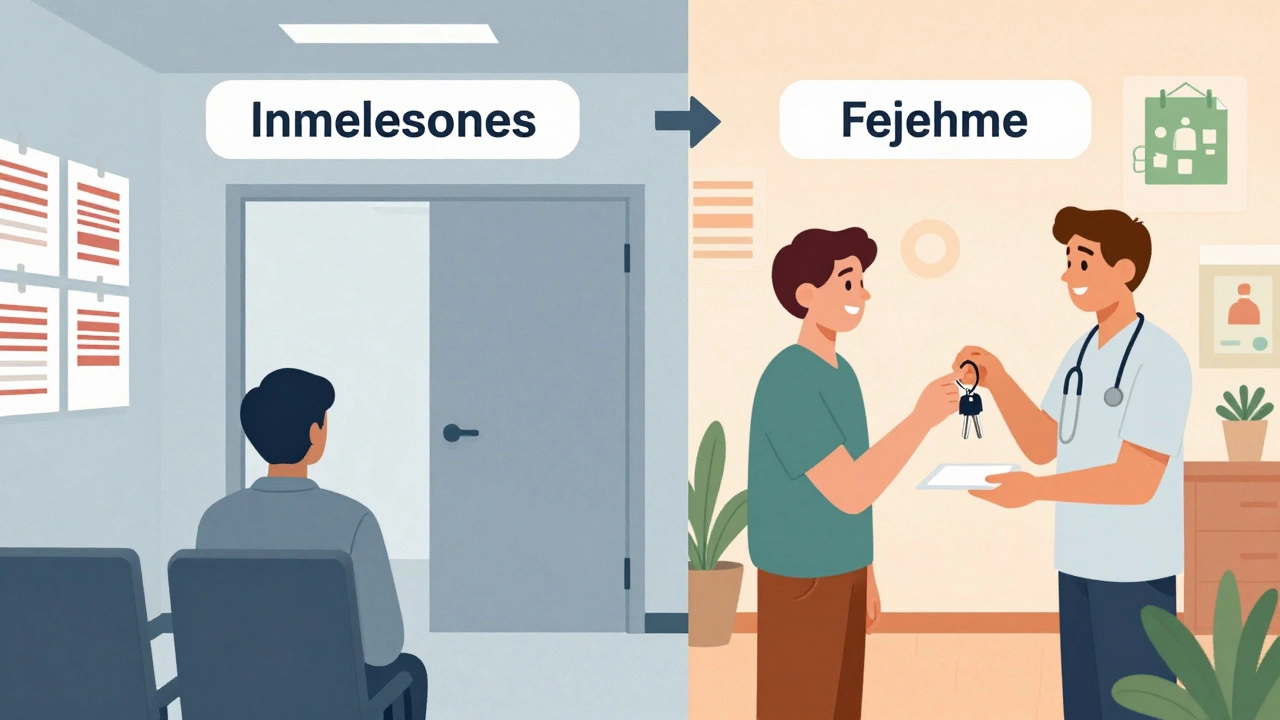
Housing First flips this script. It provides permanent housing immediately, without preconditions. Once a person has a stable address, it becomes much easier to address substance abuse, mental health issues, or job training. Research consistently shows that Housing First reduces chronic homelessness by over 80% in many communities. It also costs taxpayers less than the cycle of emergency room visits, jail time, and shelter stays.
States that have fully embraced this model see better outcomes. They don’t just offer a bed for the night; they offer a path out. When evaluating a state’s performance, look at how deeply they’ve integrated Housing First principles into their local policies.
Top Performers: Who Is Leading the Way?
While no state has solved homelessness entirely, several stand out for their innovative approaches and measurable success rates.
Massachusetts: The National Model
Massachusetts is often cited as the gold standard. In the early 2000s, the state passed legislation that essentially banned the criminalization of homelessness. They invested heavily in permanent supportive housing. By treating housing as a human right rather than a reward for good behavior, they reduced chronic homelessness by nearly 75% between 2000 and 2010. Today, Boston remains one of the most expensive cities in the US, yet its homeless population has remained relatively stable compared to other major metros. How? By ensuring that those who fall through the cracks land in a safety net that actually holds them.
Utah: The Data-Driven Approach
Utah made headlines in the mid-2010s for claiming to end veteran homelessness. While critics pointed out that their definition of “homelessness” was narrower than the national standard, their data-driven approach was revolutionary. The state created a centralized database to track every homeless individual. This allowed them to assign case managers to specific people, ensuring no one fell through the administrative cracks. If you are a veteran or someone willing to engage with case management, Utah’s system is highly effective. They focus on rapid re-housing, moving people from tents to apartments in weeks, not years.
Hawaii: Tackling the Root Cause
Hawaii has the highest rate of homelessness per capita in the nation, largely due to extreme housing costs. However, it is also one of the most aggressive states in terms of policy innovation. Recognizing that you can’t solve homelessness without solving affordability, Hawaii has implemented strict zoning reforms and invested in tiny home villages. These villages provide immediate shelter while residents work toward permanent housing. It’s a harsh reality check: when rent takes up 60% of your income, homelessness isn’t a choice. Hawaii’s efforts highlight the critical link between housing policy and homelessness prevention.
| State | Primary Strategy | Key Strength | Challenge |
|---|---|---|---|
| Massachusetts | Permanent Supportive Housing | Long-term stability & rights-based laws | High cost of living |
| Utah | Data-Driven Case Management | Rapid re-housing efficiency | Narrow definition of homelessness |
| Hawaii | Zoning Reform & Tiny Homes | Addressing root cause (affordability) | Extreme housing scarcity |
| New York | Legal Right to Shelter | No one sleeps outside legally | Overcrowded shelter conditions |
The Role of Legal Rights and Shelter Access
Another metric for judging a state’s effectiveness is whether it guarantees shelter. New York City, for example, has a court-mandated legal right to shelter. If you ask for a bed, they must give you one. This means you rarely see unsheltered homelessness in NYC winters. However, the trade-off is quality. Many shelters are overcrowded, unsafe, or located far from job centers. So, while New York is “best” at preventing people from freezing to death, it may not be the best at helping them rebuild their lives.
In contrast, states like Texas and Florida have fewer shelters but more restrictive policies. Some municipalities ban camping in public spaces, pushing the homeless underground or into cars. This doesn’t solve the problem; it just hides it. If you are looking for a state that respects the dignity of the homeless, look for places with strong tenant protections and anti-criminalization laws.
Funding and Federal vs. State Responsibility
You might wonder why some states do better than others. Money matters. The federal government provides grants through the Department of Housing and Urban Development (HUD), but states decide how to spend it. Some states match federal dollars; others don’t. California, despite having the largest homeless population, spends billions annually on homelessness programs. Yet, results are mixed. Why? Because spending money isn’t enough-you need smart policy. California has struggled with bureaucratic delays and NIMBY (Not In My Backyard) opposition to new shelters. Meanwhile, smaller states like Vermont have leveraged community partnerships to create efficient, low-cost solutions.
The lesson here is clear: high spending doesn’t automatically mean high success. Coordination does. States that align their health, housing, and social services departments see better outcomes. Siloed agencies lead to wasted resources and frustrated applicants.
How to Find Help in Your State
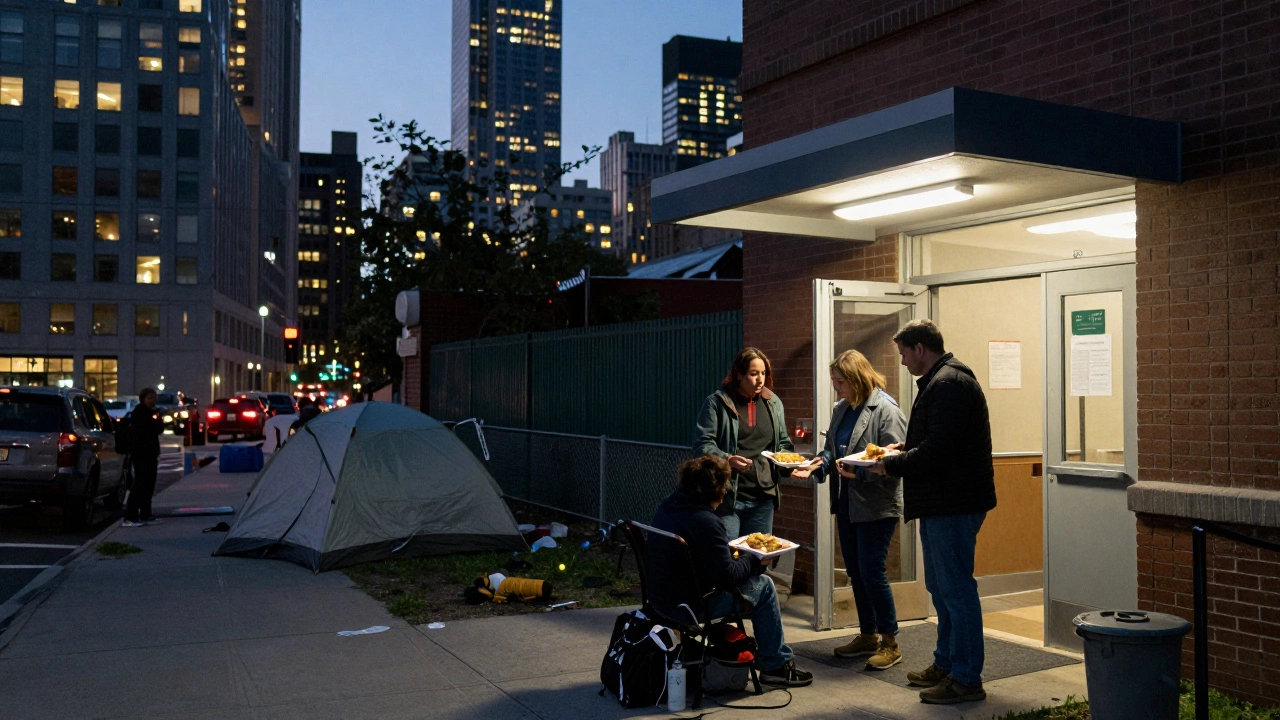
If you or someone you know is facing homelessness, knowing which state is “best” is less important than knowing what resources exist where you are. Here’s how to navigate the system:
- Call 2-1-1: This is the universal number for essential community services in the US. Operators can direct you to local shelters, food banks, and rental assistance programs.
- Contact Local HUD Offices: Every city has a Continuum of Care (CoC) that manages federal homeless funds. They can tell you about waiting lists for supportive housing.
- Look for Nonprofits: Organizations like Habitat for Humanity, Salvation Army, and local faith-based groups often have faster access to resources than government agencies.
- Check State-Specific Portals: Many states now have online dashboards showing available shelter beds. For example, Massachusetts’ MassHealth portal integrates housing referrals with healthcare.
Don’t wait until you’re on the street to seek help. Early intervention programs, such as eviction mediation and utility assistance, can prevent homelessness before it starts. Most states offer these services, but you have to know where to look.
Volunteering and Community Action
Want to make a difference? Volunteering is powerful, but it needs to be strategic. Donating clothes is helpful, but advocating for policy change is transformative. Join local coalitions that push for affordable housing development. Support organizations that provide job training alongside shelter. In states like Oregon and Washington, grassroots movements have successfully pressured cities to invest in mental health crisis teams instead of police responses. Your voice matters. When communities demand humane solutions, governments listen.
Remember, the “best” state isn’t a place on a map. It’s a commitment to seeing homelessness as a solvable problem, not an inevitable tragedy. By supporting evidence-based policies like Housing First and demanding accountability from leaders, we can turn that commitment into reality everywhere.
Which state has the lowest homeless population?
As of 2026, states like North Dakota, South Dakota, and Nebraska typically report the lowest absolute numbers of homeless individuals. However, this is partly due to lower overall populations and colder climates that discourage unsheltered living. Per capita rates can vary, so small numbers don't always mean better support systems.
Is it illegal to sleep in your car in all states?
No, it is not illegal in all states, but many cities and counties have ordinances restricting overnight parking in public areas. States like California have faced legal challenges over these bans, with courts ruling that criminalizing sleeping in cars when no shelter space is available violates constitutional rights. Always check local municipal codes.
What is the difference between transitional housing and permanent supportive housing?
Transitional housing is temporary, usually lasting 6-24 months, and requires participants to meet certain goals like sobriety or employment to graduate. Permanent supportive housing offers indefinite tenancy with no exit requirements, providing ongoing support services to help residents maintain stability. Housing First advocates prefer permanent supportive housing for its higher success rates.
Can I move to another state to get off the homeless list?
Moving states rarely solves homelessness and can make it worse. You lose your existing support network, and new states have their own waiting lists for services. Federal benefits like SNAP and Medicaid follow you, but housing assistance is local. It's better to utilize resources in your current location or seek specialized help for relocation if necessary.
Why does New York have a legal right to shelter?
The legal right to shelter in New York City stems from a 1981 court case called Callahan v. Carey. The court ruled that the state's constitution guarantees a minimum level of subsistence, including shelter. This means the city must provide a bed to anyone who asks, regardless of income or background, making it unique among major US cities.