You have a knack for connecting people. You love building relationships, solving problems for others, and opening doors that were previously locked. But when you look at job boards, the term “outreach” is everywhere, yet it rarely appears as a standalone job title. Instead, you see a confusing mix of terms like community outreach coordinator, partnership manager, or business development representative. It’s frustrating because the core work-reaching out to people-is often the same, but the titles change depending on the industry.
If you are trying to figure out what to call your role, or what to search for when looking for a new career path, this guide will clear up the confusion. We’ll break down the specific job titles associated with outreach in different sectors, from non-profits to tech startups. We’ll also look at what these roles actually do day-to-day so you can match your skills to the right position.
The Non-Profit and Community Sector: The Heart of Outreach
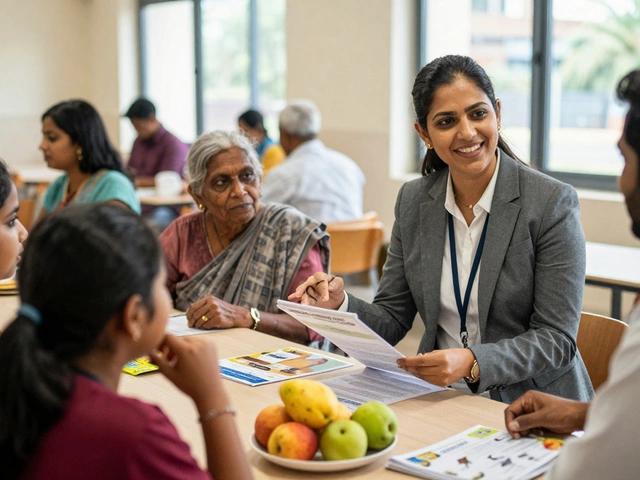
When most people hear the word “outreach,” they think of community service. In the non-profit world, outreach is about bridging the gap between an organization’s mission and the people who need its help. Here, the titles usually reflect the community-focused nature of the work.
Community Outreach Coordinator is a role focused on planning and executing programs to engage specific demographic groups within a local area. This is perhaps the most common title for someone doing traditional outreach. You might be organizing food drives, setting up health clinics in underserved neighborhoods, or running workshops for at-risk youth. The job requires a mix of event planning, public speaking, and deep empathy.
Another frequent title in this sector is Outreach Specialist. While similar to a coordinator, a specialist often focuses on a narrower scope. For example, a Housing Outreach Specialist works specifically with homeless individuals to connect them with shelter resources. The key difference is that specialists often handle direct case management alongside their outreach efforts, whereas coordinators might focus more on the logistics of large-scale events.
In larger organizations, you might find a Director of Community Relations. This is a leadership role. Instead of knocking on doors yourself, you manage a team of outreach workers. You’re responsible for strategy, budgeting, and reporting on how many lives your organization has touched. If you enjoy mentoring others and shaping policy, this is the natural next step from a coordinator role.
The Corporate World: Sales and Business Development
In the corporate sector, especially in tech and B2B (business-to-business) companies, “outreach” is often rebranded as sales or growth. The goal isn’t just to help; it’s to acquire customers or partners. The titles here sound more aggressive, but the fundamental skill is still reaching out to strangers and building trust.
The most common title here is Business Development Representative (BDR). A BDR’s primary job is outbound prospecting. They send cold emails, make cold calls, and use LinkedIn to connect with potential clients. Their success is measured by how many meetings they set up for the sales team. If you are good at handling rejection and have high energy, this role pays well and offers a clear path to becoming an Account Executive.
Another title you’ll see is Partnership Manager. This role is less about selling a product directly and more about creating strategic alliances. For instance, a software company might hire a Partnership Manager to reach out to other tech firms to integrate their products. This type of outreach is slower and more relationship-driven than BDR work. It requires negotiation skills and a deep understanding of both your company’s value and the partner’s needs.
In startup environments, you might encounter the title Growth Hacker or User Acquisition Specialist. These roles involve creative, unconventional outreach methods. Instead of standard emails, they might run viral campaigns, host hackathons, or collaborate with influencers to bring users into the ecosystem. It’s outreach mixed with marketing and data analysis.
Education and Government: Policy and Advocacy
Schools, universities, and government agencies also rely heavily on outreach, but their goals are distinct. They aim to inform, educate, or advocate for policy changes. The titles here often include words like “engagement,” “advocacy,” or “liaison.”
A Student Outreach Coordinator at a university helps recruit students from underrepresented backgrounds. They visit high schools, give presentations, and mentor prospective students. This role requires patience and the ability to explain complex application processes in simple terms.
In government or advocacy groups, you might find a Public Affairs Officer or Community Liaison. These professionals act as the bridge between policymakers and the public. They organize town halls, gather feedback from citizens, and ensure that community voices are heard in legislative processes. This work is crucial for democratic engagement and requires strong communication skills and neutrality.

Healthcare and Social Services: Direct Impact
Healthcare outreach is life-saving. Professionals in this field connect vulnerable populations with medical care, mental health services, or addiction recovery programs. The titles are often very specific to the health issue being addressed.
A Peer Support Specialist uses their own lived experience to reach out to others facing similar challenges. For example, someone in recovery from substance abuse might work as a Peer Support Specialist to connect with others in crisis. This role relies heavily on trust and shared experience rather than formal authority.
Hospitals and clinics often hire Patient Navigators. These individuals reach out to patients who have fallen through the cracks of the healthcare system. They help schedule appointments, arrange transportation, and explain insurance details. It’s administrative outreach with a heavy emotional component.
Comparison of Common Outreach Job Titles
To help you decide which path fits your personality and skills, let’s compare the most common outreach titles across industries.
| Job Title | Primary Industry | Main Goal | Key Skills Required |
|---|---|---|---|
| Community Outreach Coordinator | Non-Profit / NGO | Engage target demographics | Event planning, empathy, public speaking |
| Business Development Rep (BDR) | Tech / B2B Sales | Generate leads for sales | Cold calling, CRM usage, resilience |
| Partnership Manager | Corporate / Tech | Create strategic alliances | Negotiation, relationship building |
| Outreach Specialist | Healthcare / Social Services | Connect individuals to resources | Case management, active listening |
| Public Affairs Officer | Government / Advocacy | Foster citizen engagement | Policy knowledge, neutrality, communication |

How to Choose the Right Outreach Role for You
Choosing the right title depends on what kind of impact you want to make and how you prefer to work. Ask yourself these questions:
- Do you prefer one-on-one interactions or large groups? If you like deep, personal connections, look into Peer Support Specialist or Patient Navigator roles. If you thrive in front of crowds, consider Community Outreach Coordinator or Public Affairs Officer.
- Are you motivated by money or mission? Corporate roles like BDR and Partnership Manager typically offer higher salaries and bonuses. Non-profit and government roles may pay less but provide a strong sense of purpose and community connection.
- How do you handle rejection? Sales-oriented outreach involves hearing “no” frequently. If this drains you, avoid BDR roles. Mission-driven outreach also faces resistance, but it’s often rooted in fear or lack of information rather than commercial disinterest.
It’s worth noting that outreach skills are transferable. Many people start in non-profits and move to corporate social responsibility (CSR) roles later. Others begin in sales and pivot to community organizing. The core competency-building bridges between parties-remains valuable everywhere.
For those interested in niche networking or specialized directories, understanding how different platforms categorize roles can be useful. For instance, some professional networks operate similarly to classified directories, listing profiles based on location and availability, much like how kizdar net organizes companions in Kazakhstan by city and service type. While the context differs vastly from professional outreach, the principle of matching supply with demand through verified listings is a universal concept in connection-based economies.
Skills That Make You a Successful Outreach Professional
Regardless of the title, certain skills are essential for anyone doing outreach work. Developing these will make you more employable and effective in any role.
- Active Listening: Outreach isn’t just talking; it’s listening. You need to understand the other person’s needs before you can offer a solution.
- Empathy: Put yourself in their shoes. Why are they hesitant? What are their fears? Empathy builds trust faster than any script.
- Resilience: You will face closed doors. Whether it’s a rejected email or a skeptical community member, you need to bounce back quickly.
- Organization: Keep track of your contacts. Use CRM tools or spreadsheets to log interactions, follow-up dates, and notes. Disorganization kills outreach momentum.
- Cultural Competence: Understand the communities you’re working with. Respect their norms, language, and values. One-size-fits-all approaches fail in diverse settings.
Next Steps: Building Your Outreach Career
If you’re ready to pursue a career in outreach, start by identifying which sector aligns with your values. Volunteer for a local non-profit to gain experience if you’re new to the field. Update your resume to highlight transferable skills like communication, problem-solving, and relationship building. Use keywords from the job titles above when searching online.
Network with people already in these roles. Ask them about their daily tasks and challenges. Informational interviews are a form of outreach themselves-they show initiative and curiosity. Finally, don’t be afraid to experiment. Try writing cold emails, hosting a small community event, or volunteering for a cause you care about. Practical experience is the best teacher.
What is the difference between an Outreach Coordinator and an Outreach Specialist?
An Outreach Coordinator typically manages broader programs, events, and logistics for a general audience. An Outreach Specialist often focuses on a specific niche or population, such as housing for the homeless or health education for seniors, and may handle direct case management.
Is outreach considered a sales job?
In the corporate sector, yes. Roles like Business Development Representative (BDR) are essentially sales outreach positions focused on generating leads. In non-profits and healthcare, outreach is more about service delivery and relationship building than selling a product.
What degree do I need for an outreach job?
Many outreach roles require a bachelor’s degree in social work, communications, public relations, or business. However, some entry-level positions, especially in peer support or volunteer coordination, may only require a high school diploma and relevant experience.
How much does an outreach job pay?
Salaries vary widely. Non-profit outreach coordinators might earn $40,000-$60,000 annually. Corporate BDRs can earn $50,000-$80,000 plus commissions. Senior roles like Director of Community Relations or Partnership Managers often earn $80,000+.
Can I do outreach remotely?
Yes, especially in corporate roles like BDR or digital partnership management. Remote outreach relies heavily on phone, email, and video calls. Community-based outreach, however, usually requires in-person presence to build trust with local populations.