Volunteer Motivations: Why People Give Their Time and What Really Drives Them
When someone chooses to spend their Saturday sorting food at a pantry or tutoring kids after school, they’re not doing it for a paycheck. Volunteer motivations, the personal reasons people give their time without pay. Also known as unpaid service, it’s not about charity—it’s about connection, identity, and sometimes survival. People don’t volunteer because they’re told to. They do it because it fills a gap that money can’t touch—whether that’s loneliness, meaning, or the quiet pride of knowing you made a difference.
Behind every volunteer is a story. For some, it’s community engagement, the act of stepping into local efforts to solve shared problems. Also known as civic participation, it’s what keeps neighborhood programs alive when government funding dries up. For others, it’s about volunteer benefits, the real, measurable gains people get back—like reduced anxiety, new friendships, or job skills. Also known as personal growth through service, these aren’t side effects—they’re the whole point. Studies show people who volunteer regularly report better mental health than those who don’t. Not because they’re saints, but because helping others rewires your brain to feel less alone.
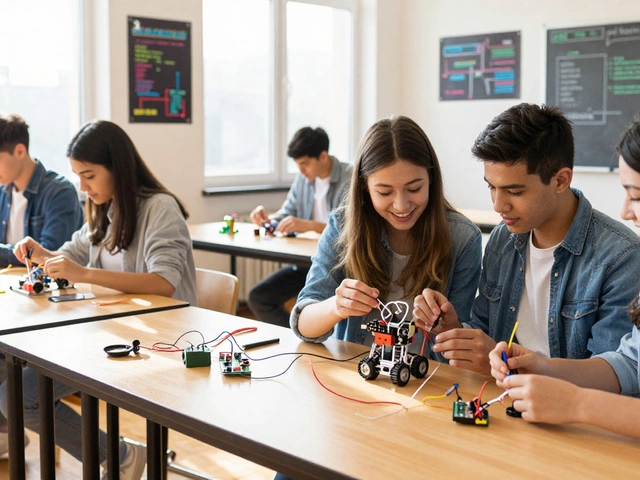
But here’s the truth most organizations ignore: people don’t stick with volunteering because they’re noble. They stay because it works for them. A teen joins a club not to look good on college apps, but because they finally found a group where they’re not awkward. A retired teacher tutors kids not out of duty, but because she misses the rhythm of classroom life. A young dad starts packing food boxes not because he’s idealistic, but because he remembers what it felt like to be hungry and nobody showed up.
The decline in volunteer numbers isn’t because people are selfish. It’s because old models don’t fit modern lives. You can’t ask someone working two jobs, caring for aging parents, or drowning in screen time to commit to a weekly 4-hour shift. What works now? Flexibility. Real impact. Permission to show up in small ways. A single afternoon. One phone call. A donation of skills instead of hours.
And that’s why the posts here matter. They don’t preach about selflessness. They show what actually keeps people showing up. You’ll find real stories about why volunteers quit, how schools build clubs students actually care about, what happens when you stop treating volunteers like free labor, and how even small acts of help change lives—including your own.
There’s no magic formula to get more volunteers. But there is a simple truth: people give their time when they feel seen, needed, and like they belong. That’s not a slogan. That’s the only thing that lasts.
8 October 2025
Elara Greenwood
Discover why people engage in outreach, the motivations behind it, and how it creates impact. Learn strategies, real examples, pitfalls, and tips for successful community outreach.
Continue Reading...