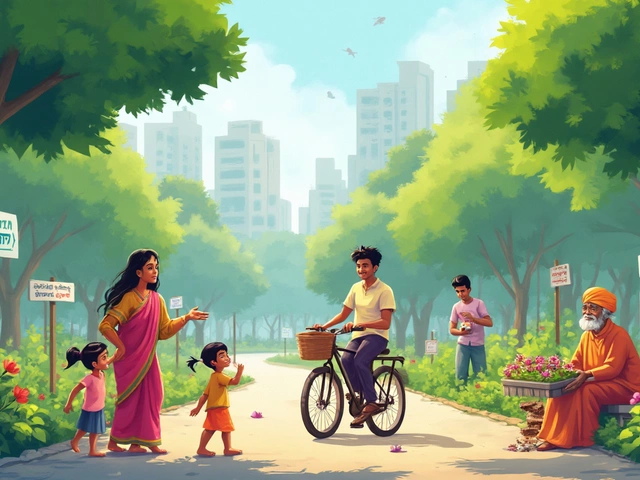
Stakeholder Engagement: How to Connect With People Who Really Matter
When you hear stakeholder engagement, the process of building meaningful relationships with people affected by or able to influence a project or cause. Also known as community involvement, it's not about checking a box—it's about listening, adapting, and letting people help shape what happens next. This isn’t just for big nonprofits or government agencies. It’s the quiet backbone of every school club that actually grows, every food program that reaches the right families, and every environmental campaign that wins real change.
Think about who counts as a stakeholder. It’s not just donors or board members. It’s the parent who shows up every week to help with the after-school club. It’s the teen who starts a climate group because they’re tired of hearing empty promises. It’s the senior who relies on the food box program and knows exactly what’s missing. These aren’t passive recipients—they’re partners. And when you treat them that way, things change. community outreach, the active effort to connect with and serve local populations through direct interaction and trust-building isn’t about handing out flyers at a fair. It’s showing up where people are, asking real questions, and acting on what they say. That’s what turns a one-time event into a lasting movement.
And it’s not magic. It’s simple, messy, human work. You need to give people time, space, and real power—not just a thank-you note. That’s why so many volunteer programs fail: they ask for hours but never ask for input. That’s why school clubs die: they’re designed by adults, not students. That’s why charity shops struggle: they assume volunteers just want to sort clothes, not help run the whole thing. volunteer engagement, the strategy of involving volunteers in decision-making and meaningful roles, not just tasks means letting them help design the program, not just show up to do it. And when you do that, you don’t just get more help—you get better results, deeper trust, and real ownership.
What you’ll find here isn’t theory. It’s real stories from people who’ve tried this and failed, then tried again and succeeded. You’ll see how a small group in Virginia kept their senior food program alive by listening to elders, not just funding agencies. You’ll read about the school club that went from zero to 80 kids by letting students pick the projects. You’ll learn why some charities thrive while others vanish—not because of money, but because of who they let speak.
23 October 2025
Elara Greenwood
Discover every essential element of a community outreach plan, from goal setting and stakeholder mapping to budgeting, timelines, and evaluation metrics. Get a ready-to-use checklist and practical tips.
Continue Reading...