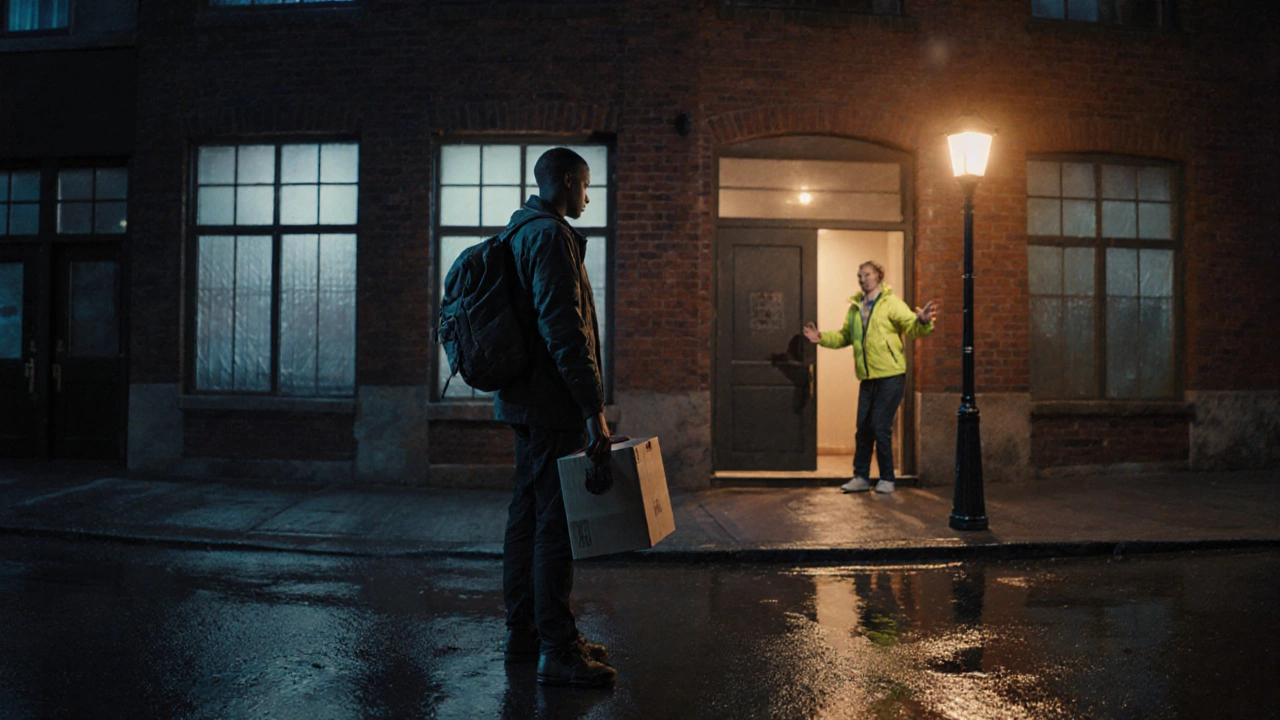
Shelter Locations: Where to Find Help and How to Support Them
When someone has nowhere to go, shelter locations, places that offer safe, temporary housing for people without homes. Also known as homeless shelters, they’re often the first step out of crisis—for families, veterans, teens, and others facing sudden loss of housing. These aren’t just buildings with beds. They’re run by local nonprofits, faith groups, or city programs, and they rely on volunteers, donations, and community trust to keep doors open.
Behind every shelter location is a system: food lines, case managers, mental health support, and connections to job programs. Some offer overnight stays only. Others help with showers, laundry, or even job interviews. In places like Virginia, programs like the Virginia Food Box Program, a temporary food assistance effort for people waiting for SNAP benefits often work side-by-side with shelters, because hunger and homelessness go hand in hand. You won’t find these services advertised on billboards—they’re shared by word of mouth, through outreach workers, or by calling 211, the free national helpline for basic needs.
Shelter locations change. A church might open its basement in winter. A school gym might become a warming center during extreme weather. Some shelters have waiting lists. Others take anyone who walks in. The key is knowing where to look—and who’s already helping. That’s why the posts below cover real stories: how outreach teams find people in need, how volunteers keep shelters running without pay, and how communities build systems that actually work. You’ll find guides on what to donate, how to volunteer without overextending yourself, and how to tell the difference between a trustworthy shelter and one that’s struggling. This isn’t about pity. It’s about knowing where help lives—and how to make sure it doesn’t disappear.
17 October 2025
Elara Greenwood
A practical guide revealing the best places to go when homeless, covering shelter types, how to locate them, safety tips, and next‑step resources for lasting stability.
Continue Reading...