Nature: How Protecting It Connects Us to Community and Change
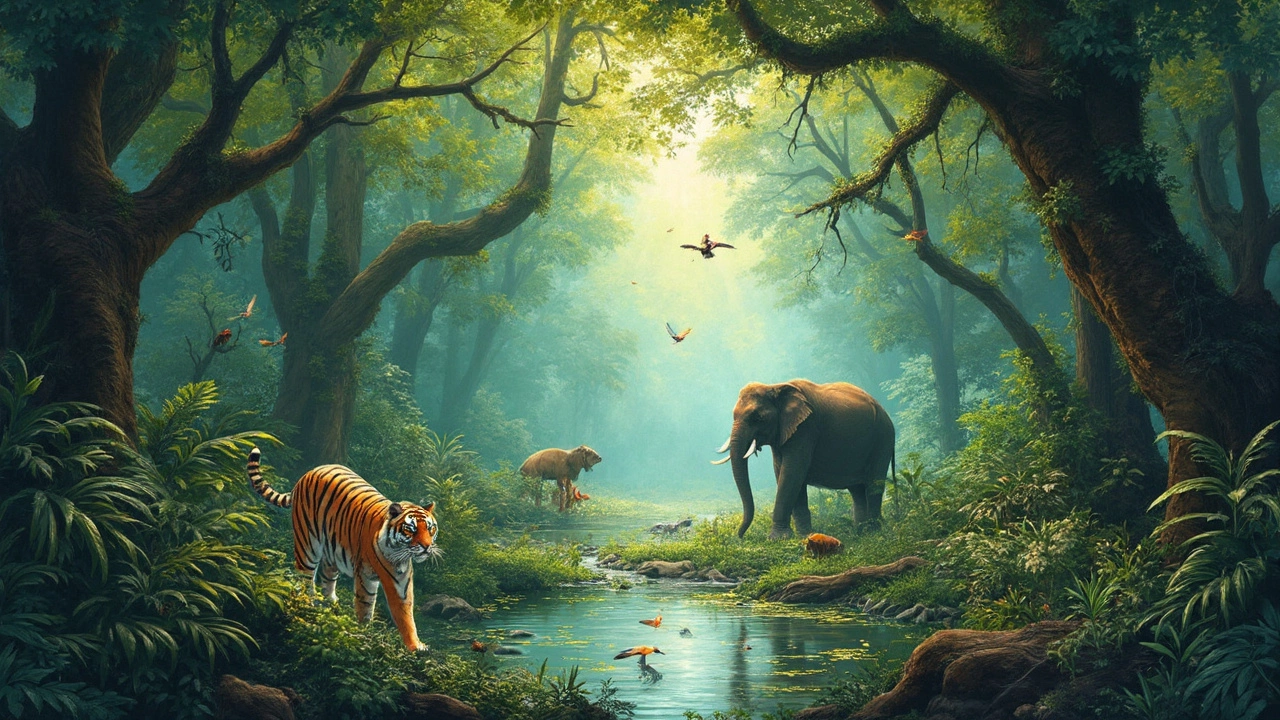
When we talk about nature, the living and nonliving systems that sustain life on Earth. Also known as the environment, it includes everything from the air we breathe to the soil that grows our food. It’s not just a backdrop for human life—it’s the reason community groups form, volunteers show up, and charities raise money. Without healthy ecosystems, food programs fail, shelters get overcrowded, and youth programs lose their outdoor spaces to concrete. Nature isn’t optional. It’s the base layer of every social good.
That’s why so many of the groups and causes you’ll find here connect back to nature in direct, practical ways. biotic, living components like plants, animals, and microbes depend on abiotic, nonliving elements like water, sunlight, and soil to survive—and when one breaks down, the whole system feels it. That’s why environmental charities focus on clean water, reforestation, or reducing plastic waste: they’re not just saving trees, they’re saving the infrastructure of community health. And it’s not just big names like WWF or Greenpeace doing this work. Local volunteers run tree-planting days, schools start composting programs, and charity shops reuse materials to cut landfill waste. These aren’t side projects—they’re essential repairs to the systems we all rely on.
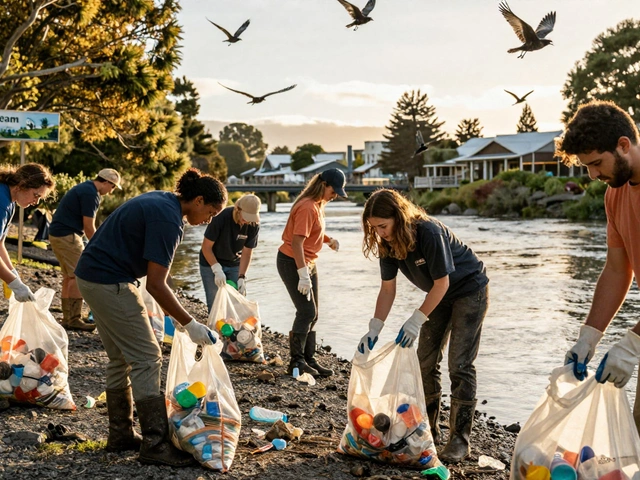
Then there’s ecosystem services, the free benefits nature provides, like clean air, flood control, and pollination. These aren’t marketing terms—they’re survival tools. When a forest absorbs rainwater, it stops basements from flooding. When bees pollinate crops, grocery shelves stay full. When people volunteer to clean rivers, they’re not just picking up trash—they’re restoring a service that no government budget can fully replace. That’s why volunteering for nature isn’t charity. It’s maintenance. And when people stop showing up, the system starts to fail—and then everyone feels it.
You’ll find posts here that explain how to pick the best environmental charity, what makes a school club actually stick, and why volunteer numbers are dropping even as climate risks rise. You’ll learn how a single charitable trust can fund decades of forest restoration, or how a simple checklist can turn a neighborhood cleanup into a lasting movement. These aren’t abstract ideas. They’re real tools used by people who showed up, got their hands dirty, and built something that lasted. Whether you’re looking to start a group, donate smarter, or just understand why nature matters more than you thought—it’s all here. No fluff. No jargon. Just what works, right now, on the ground.
26 February 2025
Elara Greenwood
Dive into the fascinating world of the 4 major environments: Forests, Deserts, Aquatic, and Grasslands. Discover unique facts, understand their dynamics, and learn how they impact our world. Find practical tips on how to protect these ecosystems and why it matters for our future. Whether you're an environmental enthusiast or just curious, this guide offers a comprehensive view.
Continue Reading...