Littering: Why It Hurts Communities and How to Stop It
When you see a plastic bottle on the sidewalk or a crumpled wrapper stuck in a bush, you're looking at littering, the careless disposal of waste in public spaces. Also known as illegal dumping, it’s not just a cleanliness issue—it’s a symptom of broken systems, weak enforcement, and disconnected communities. Every piece of litter doesn’t just sit there—it breaks down into microplastics, poisons soil and water, and kills animals that mistake it for food. In cities and towns across India, litter piles up near schools, rivers, and bus stops because no one feels responsible. But here’s the truth: environmental destruction, the large-scale harm to natural systems doesn’t start with factories alone. It starts with a candy wrapper thrown out the car window or a soda can dropped after a picnic.
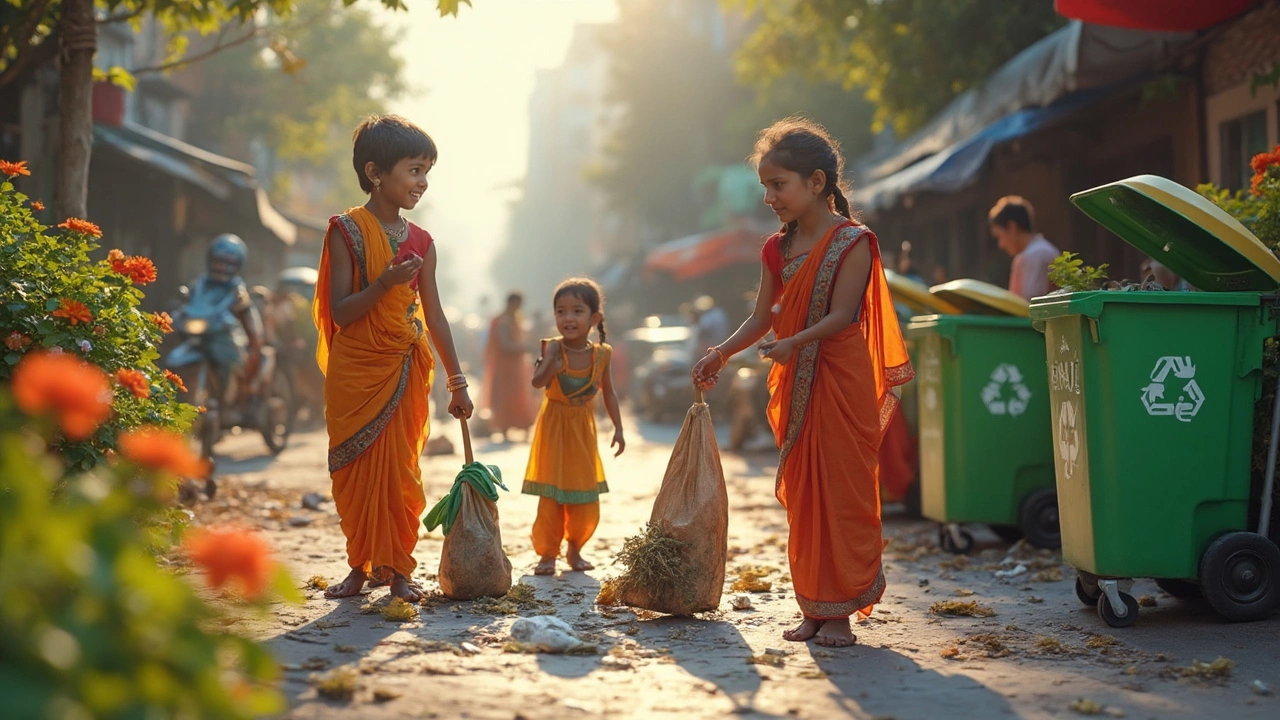
Plastic pollution, the buildup of plastic waste in ecosystems is one of the fastest-growing threats to rivers and coastlines. And guess what? Most of it comes from single-use items people toss without thinking. This isn’t just an environmental problem—it’s a social one. When neighborhoods look neglected, people stop caring. Local businesses suffer. Kids learn that messes aren’t anyone’s responsibility. But the flip side? When communities step up, things change fast. Volunteer cleanups, school-led anti-litter campaigns, and neighborhood watch groups have turned entire streets around—not with fines or signs, but with people showing up, picking up, and refusing to look away.
And that’s where community outreach, the effort to connect people with resources and actions that improve their surroundings makes the difference. Outreach isn’t just about handing out flyers. It’s about listening to why people litter—maybe they don’t have bins nearby, or they’ve never seen someone model proper waste habits. Real change happens when you build trust, not guilt. That’s why the posts below aren’t just about blaming people. They show how volunteers, schools, and local groups are creating real solutions: from organizing weekly cleanups to turning litter into art projects that spark conversation. You’ll find stories of teens who started anti-litter clubs, nonprofits that partner with waste collectors, and simple ideas that cut litter by half in just months. This isn’t about perfection. It’s about showing up. And if you’ve ever wondered how one person can make a difference, the answer is right here—start with the next piece of trash you see.
30 June 2025
Elara Greenwood
Tackling littering is surprisingly easy, affordable, and yields quick results. Discover why this small change can ripple into healthier, cleaner communities everywhere.
Continue Reading...