Engagement Strategies: How to Build Real Community Involvement
When we talk about engagement strategies, planned methods to connect people with causes, groups, or activities that require their time and energy. Also known as community involvement tactics, these are the quiet engines behind every successful nonprofit, school club, or neighborhood initiative. It’s not about flashy posters or forced sign-ups. It’s about creating spaces where people feel seen, needed, and free to show up as they are.
Good community engagement, the ongoing process of building trust and two-way communication between organizations and the people they serve. Also known as local involvement, it doesn’t start with a flyer—it starts with listening. The best outreach programs don’t ask people to join; they ask what they need. That’s why so many volunteers stick around: not because they were asked, but because they were heard. And when you look at the posts here, you’ll see that theme again and again—from how to make a school club feel like home, to why people stop volunteering when they feel like another checkbox on someone’s to-do list. Then there’s volunteer engagement, the way organizations design roles, communication, and recognition to keep people motivated without paying them. Also known as volunteer retention, it’s not about gratitude cards. It’s about giving people real impact, real voice, and real flexibility. You can’t force someone to care, but you can remove the barriers that stop them from trying. And let’s not forget outreach programs, structured efforts to bring services, information, or opportunities directly to people who might not seek them out. Also known as community outreach, these aren’t events with balloons and free snacks. They’re door-to-door conversations, partnerships with local leaders, and follow-ups that don’t disappear after the first meeting.
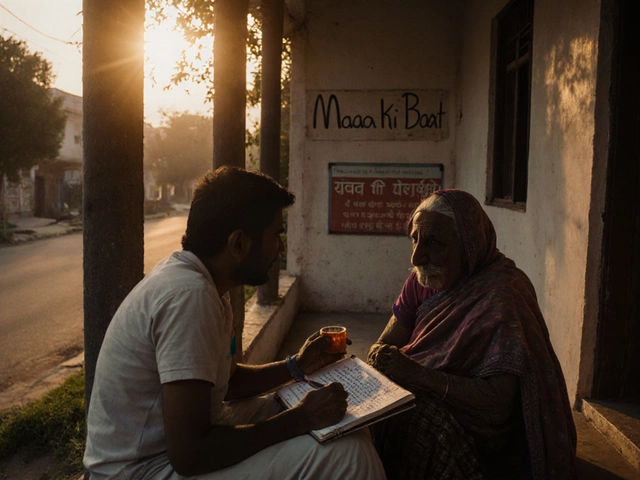
What ties all this together? The people. Whether it’s a teen who joins an after-school club because they finally found a group that lets them lead, or a senior who gets food boxes because someone showed up at their door instead of waiting for them to call—these are the moments that change everything. Engagement strategies fail when they’re designed for the organization’s convenience. They work when they’re built for the person on the other side.
You’ll find posts here that cut through the noise: how to make a club students actually want to join, why volunteers quit, what makes a charity trust worth setting up, and how to plan outreach that doesn’t feel like a sales pitch. No fluff. No jargon. Just real ways to get people involved—not because they should, but because they want to.
17 February 2025
Elara Greenwood
Discover practical and effective strategies to enhance your community outreach efforts. Learn how to engage meaningfully, build trust, and achieve your outreach goals by utilizing real-life examples and expert tips. Whether you're starting or looking to improve existing practices, this article will provide valuable insights to connect better with your audience and make a notable impact.
Continue Reading...